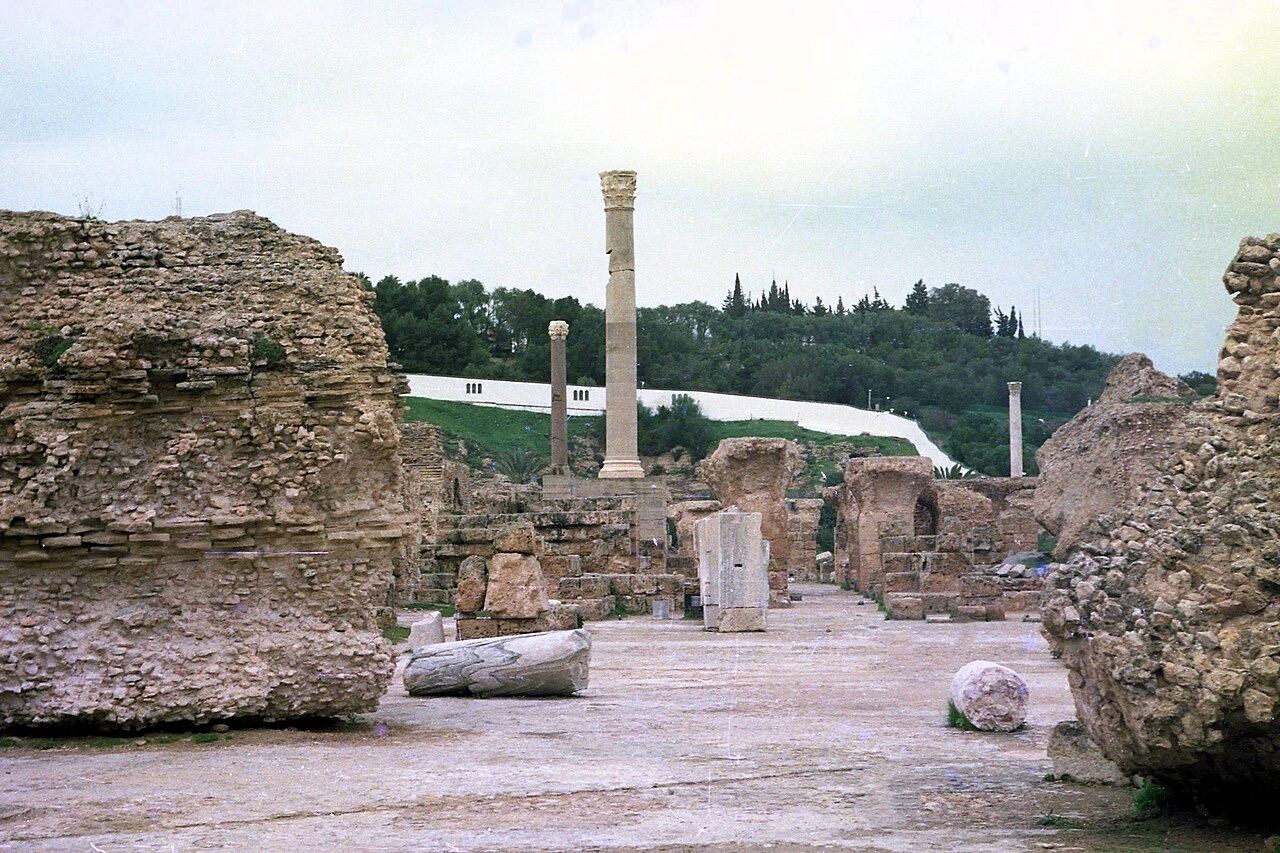
Carthage
The Mediterranean power that defied Rome — from Queen Dido to Hannibal.
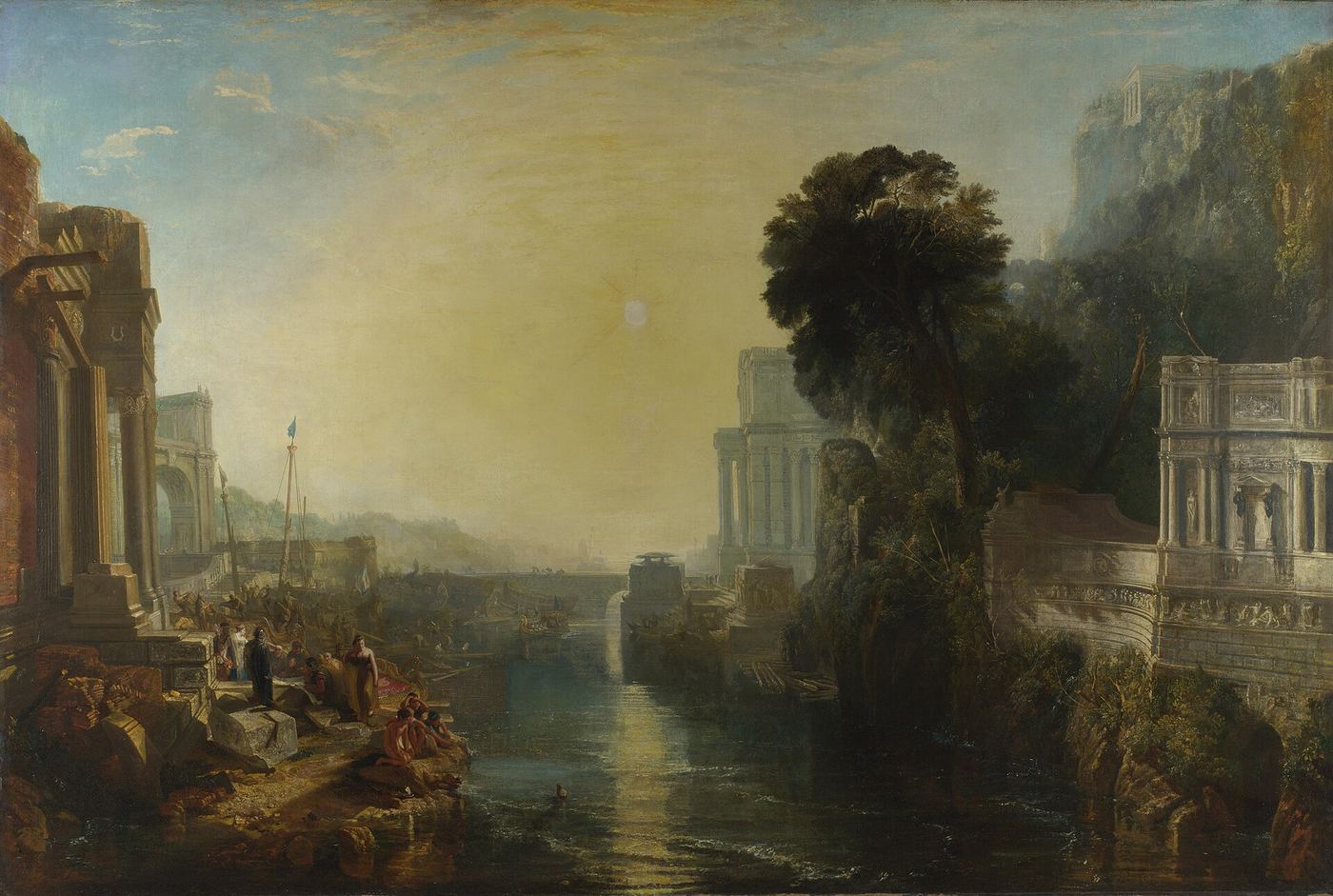
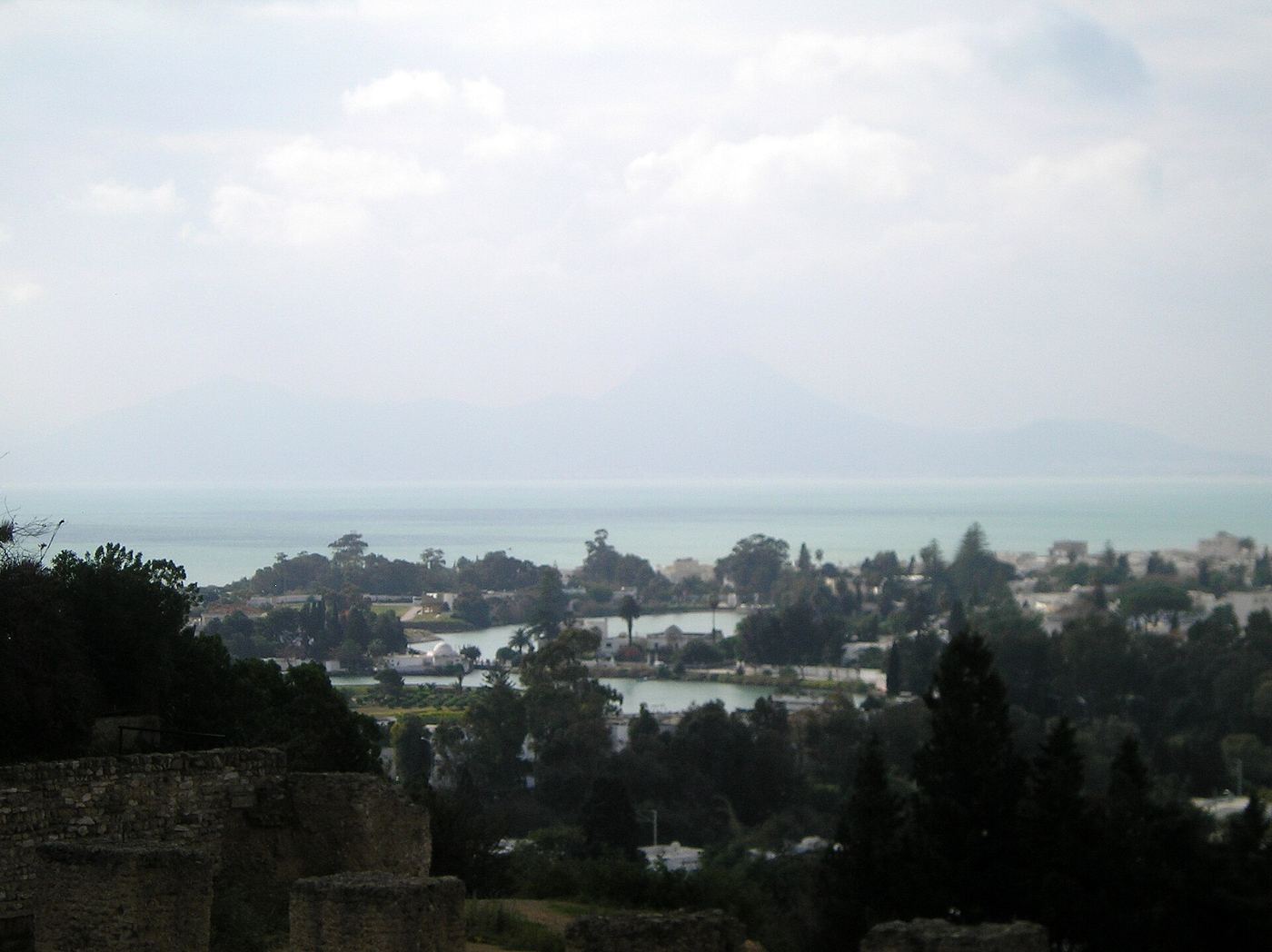
Dido founds the city on the Byrsa hill
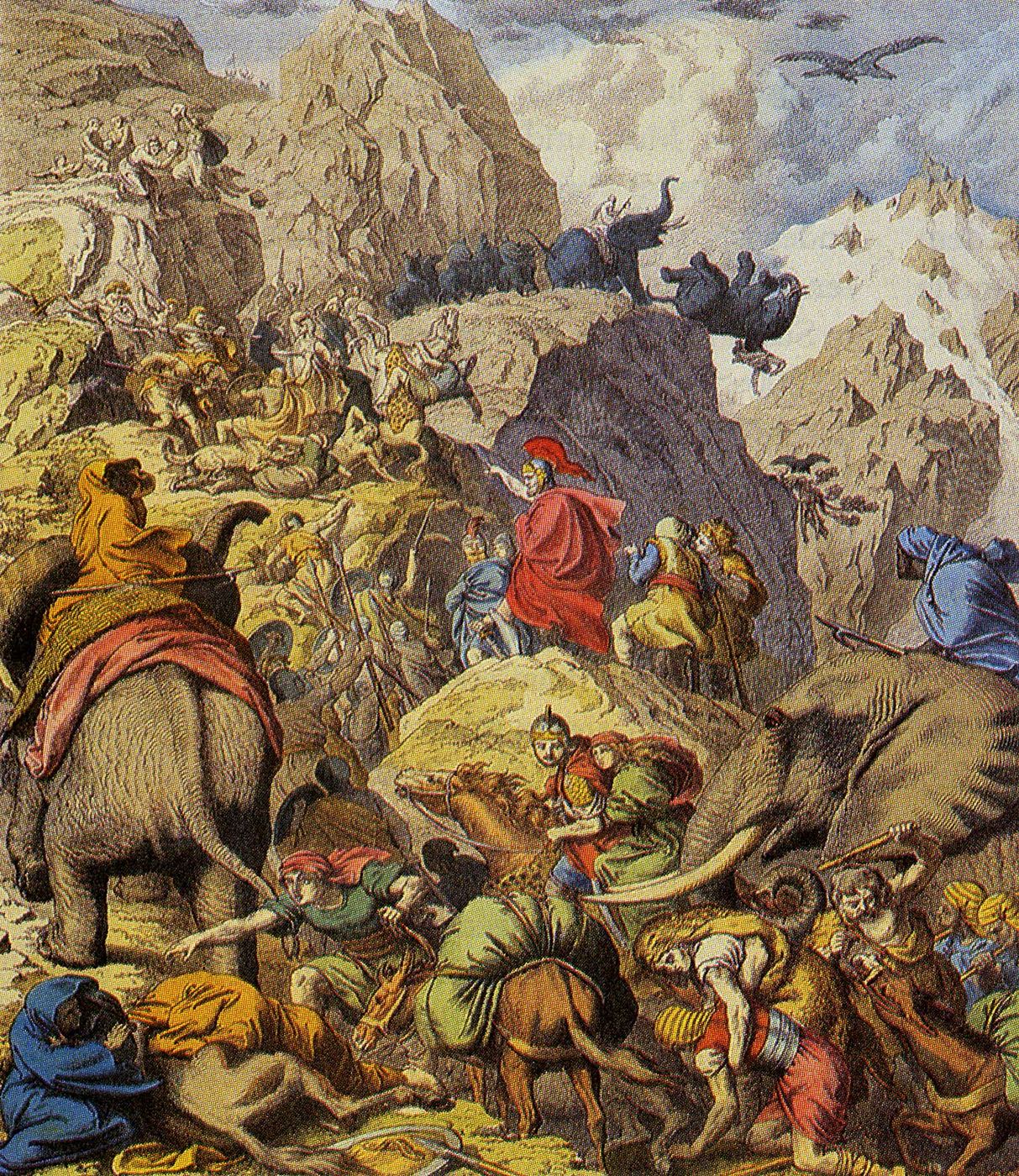
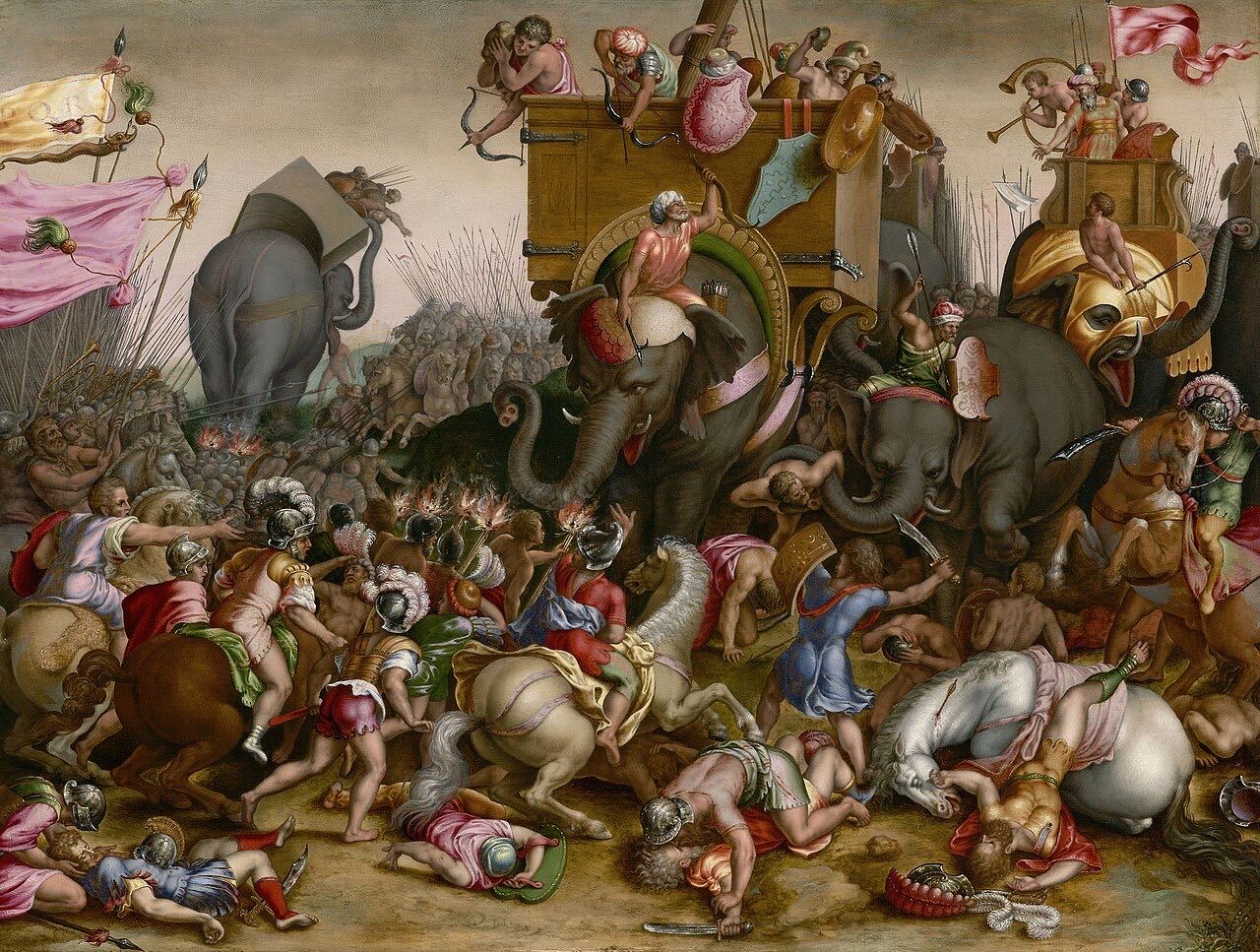
Hannibal crosses the Alps with 37 elephants
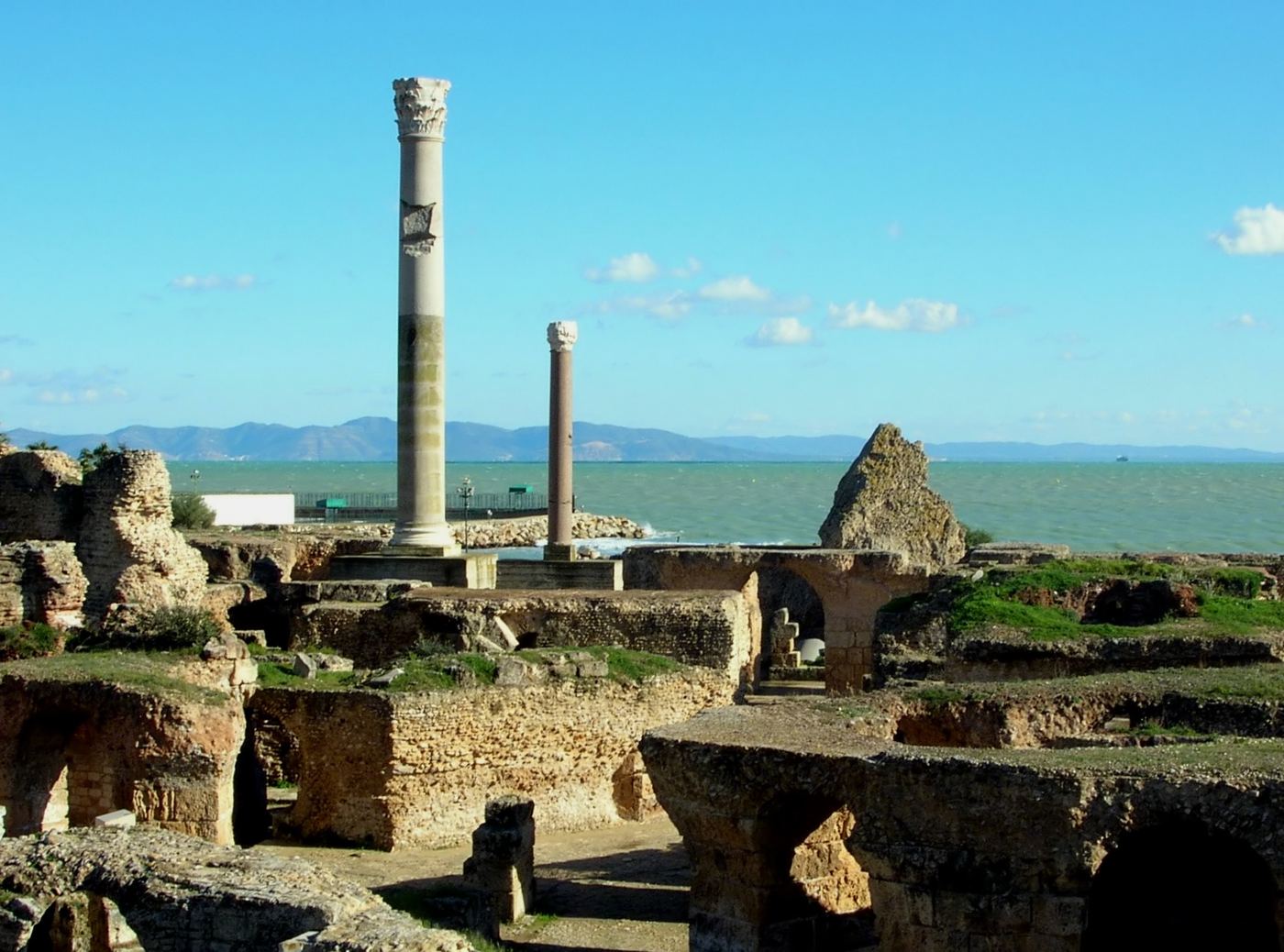
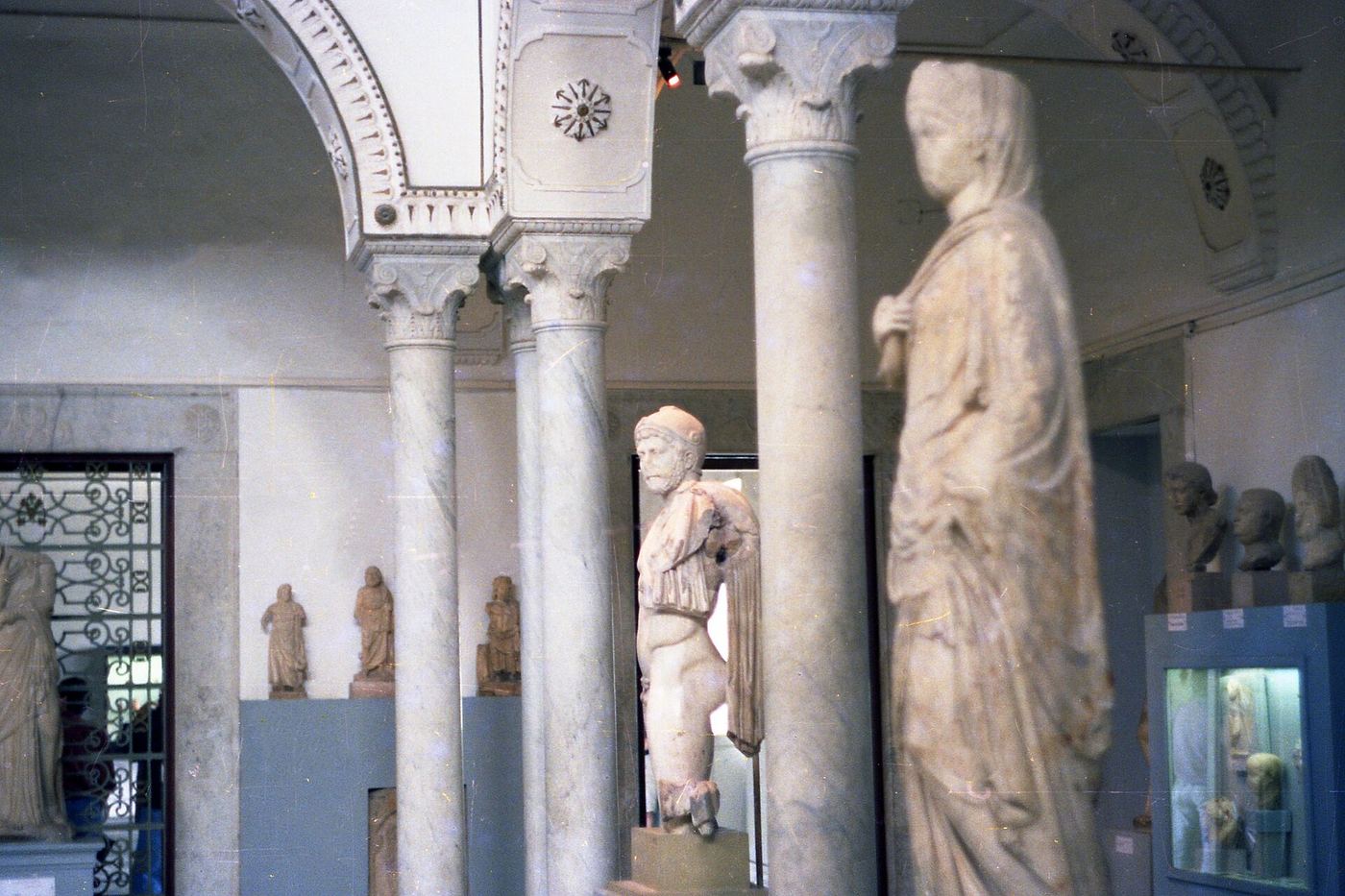
Taken by Rome, then rebuilt on the same site
Seven centuries at the heart of the Mediterranean
From its legendary founding by Queen Dido to Hannibal's epic march across the Alps, Carthage was one of the greatest civilizations of antiquity: a city of sailors, merchants and agronomists, Rome's rival for more than a century.
years from the founding (814) to the Roman seizure (146 BC)
Punic Wars against Rome for mastery of the Mediterranean
warships housed in the circular harbour, heart of the twin port
The archaeological site of Carthage is inscribed by UNESCO
An extraordinary civilization
Over seven centuries of history, trade and conquest.
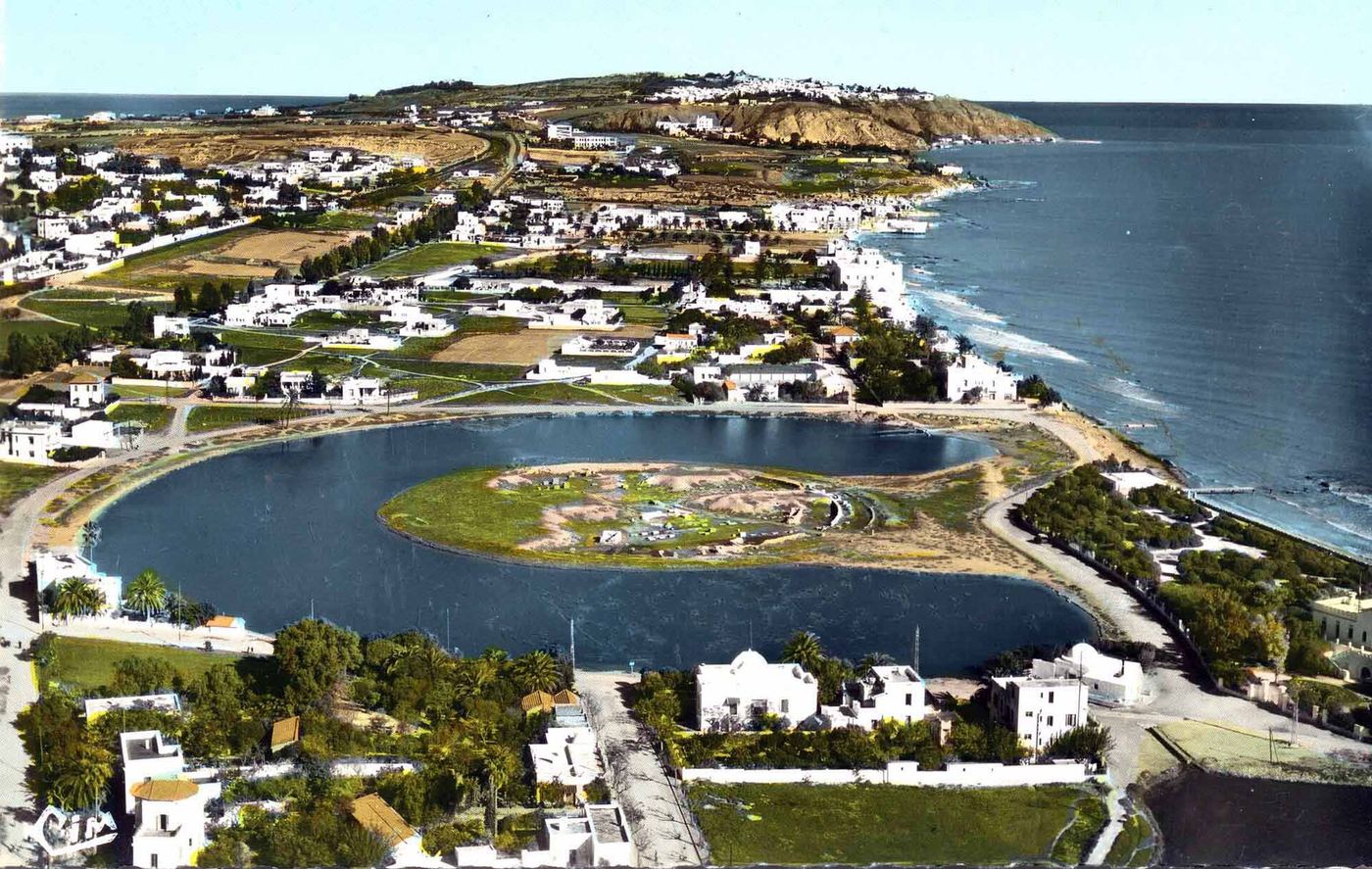
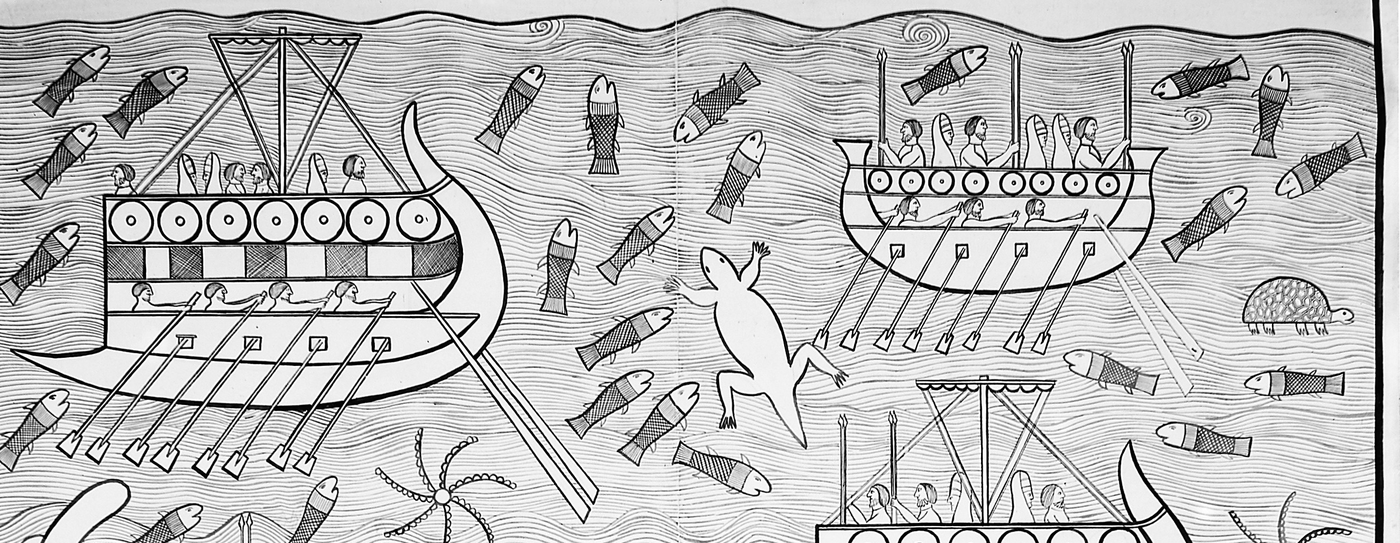
Masters of the sea
The most powerful fleet in the western Mediterranean, controlling the routes from Sicily to Spain and beyond the Pillars of Hercules. The circular harbour — now a lagoon — housed 220 warships.
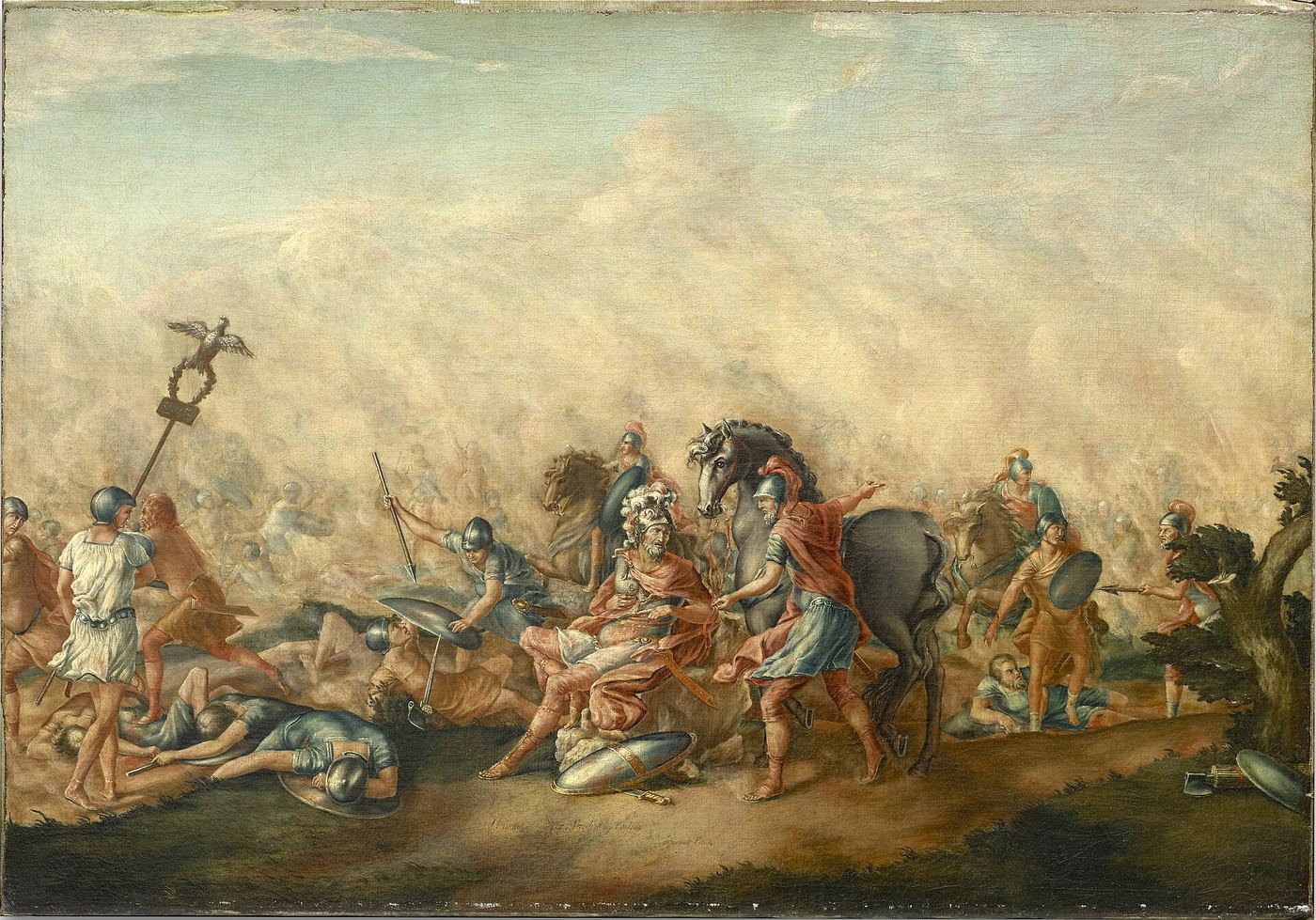
Legendary warriors
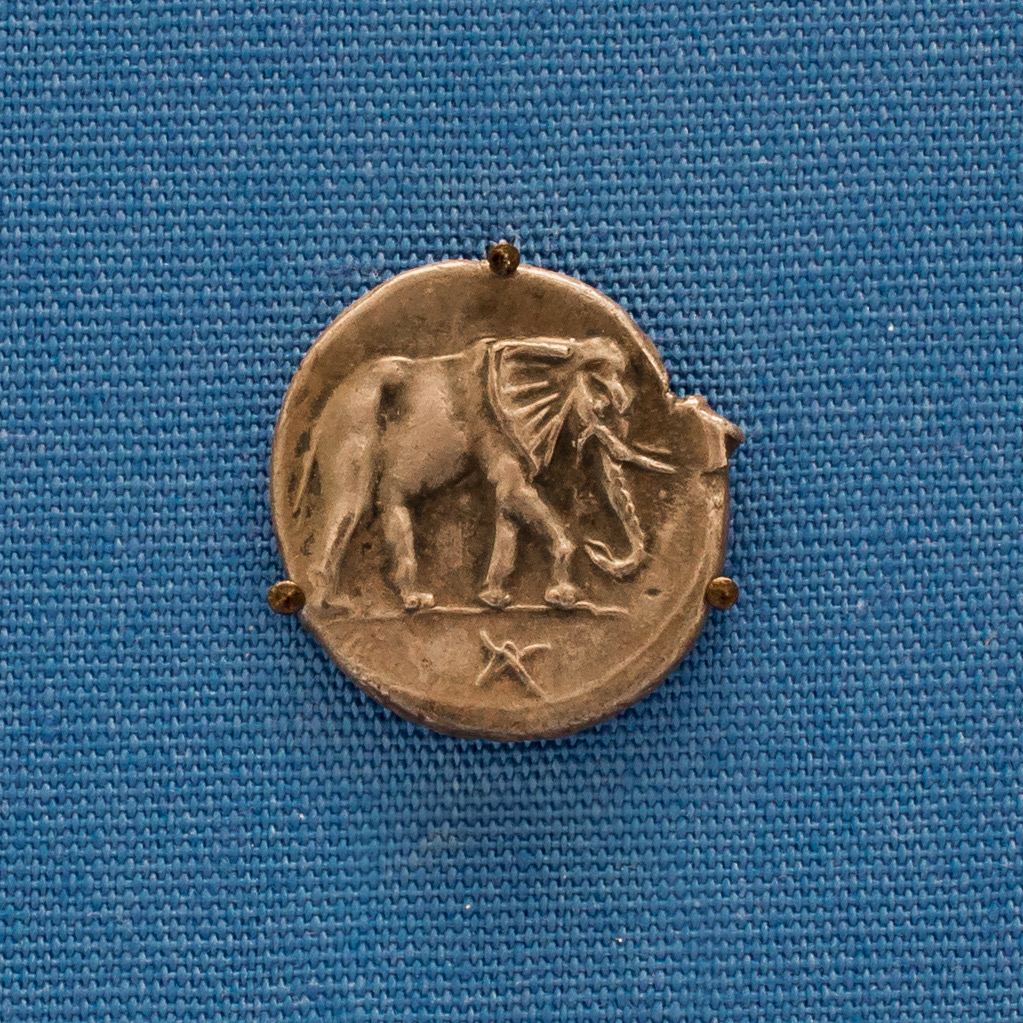
Hannibal Barca, one of the greatest strategists in history, crossed the Alps with his war elephants. Cannae is still studied in military academies.
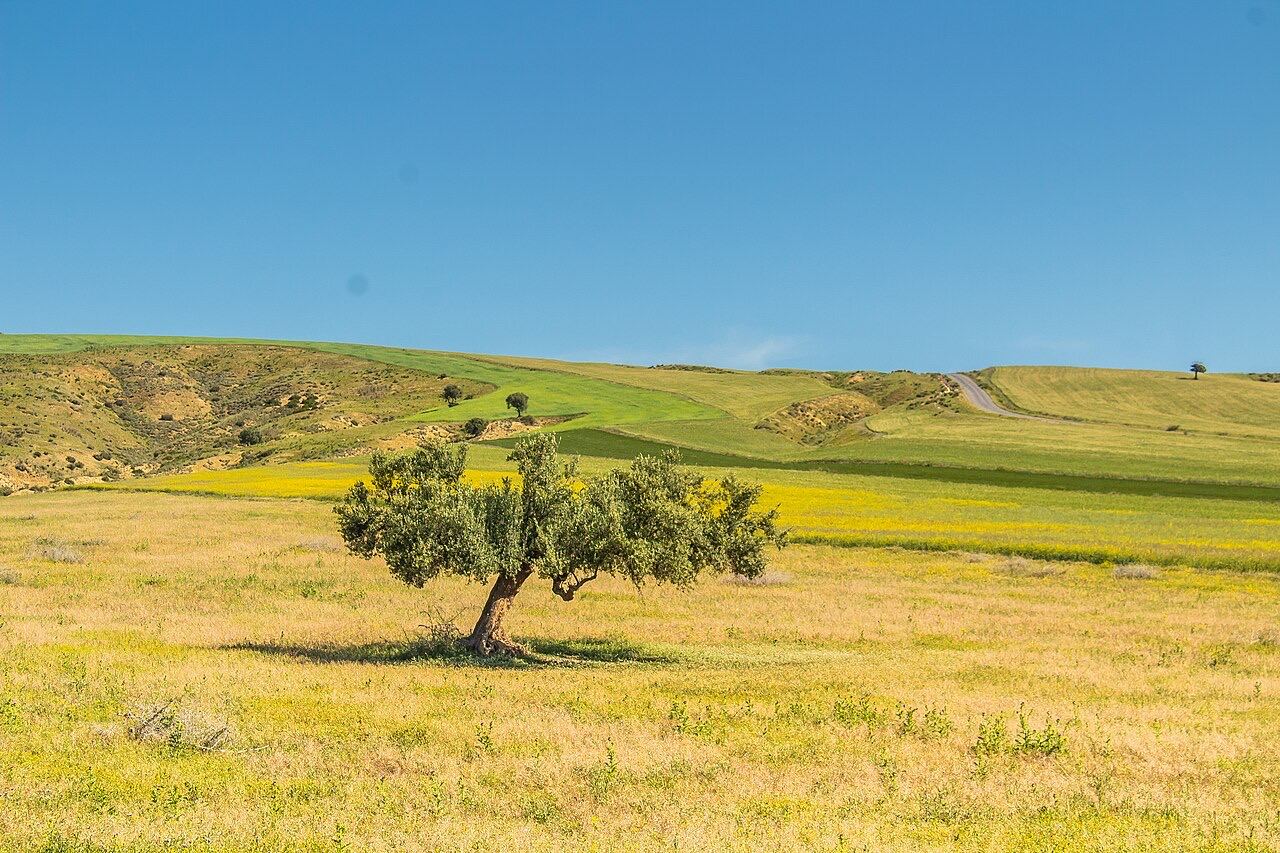
Trade empire
From Britain to West Africa, its trade networks shaped the ancient economy. The olive groves of Cape Bon were already feeding the Mediterranean.
What Carthage left us
Seven centuries on the map
Approximate borders based on historical syntheses (spheres of influence, not modern borders). Base map: Natural Earth. Ancient sites: customary locations.
Key figures
All biographies →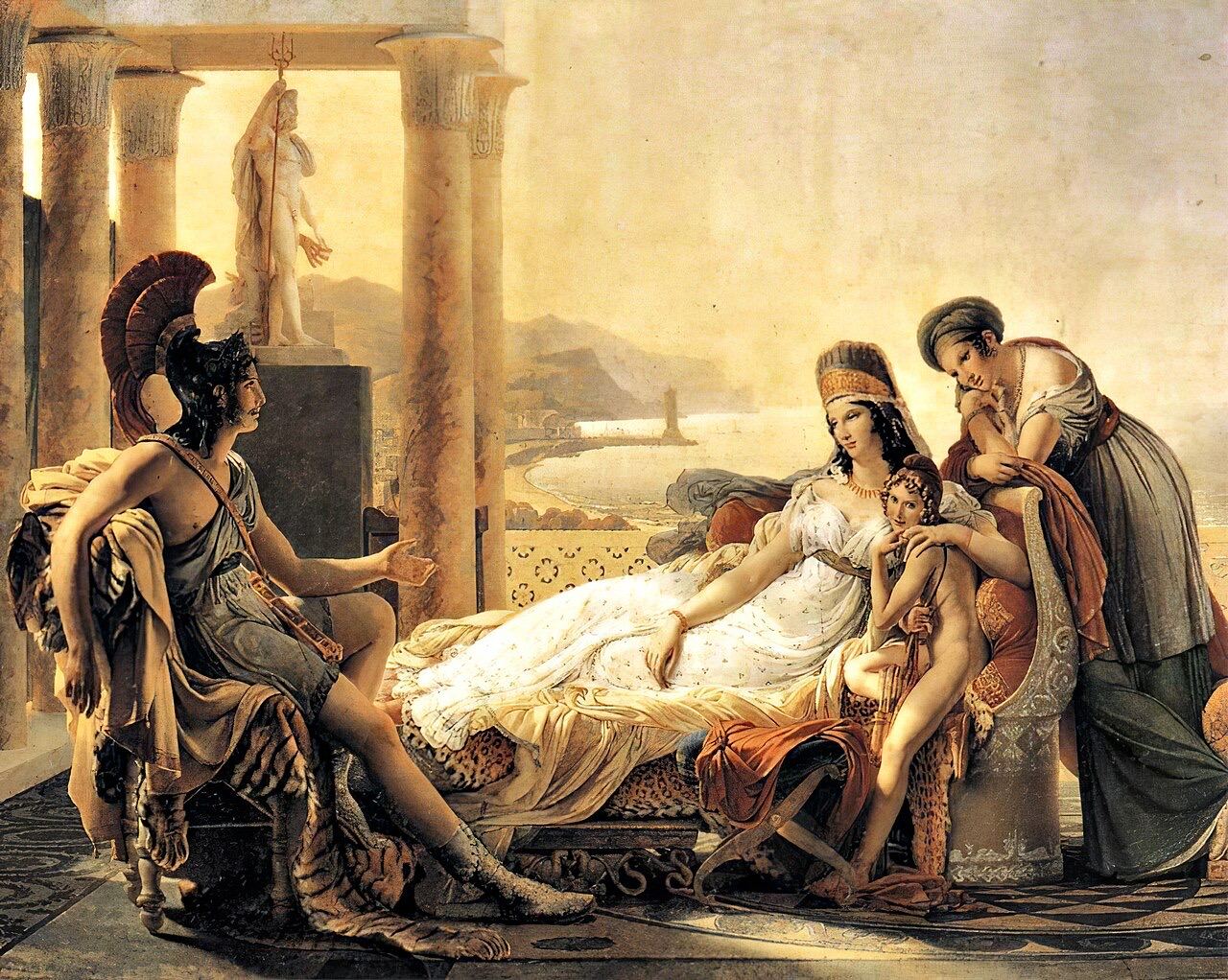
Dido (Elissa)
Princess of Tyre, legendary founder of Carthage: an oxhide cut into strips to encircle the Byrsa hill.
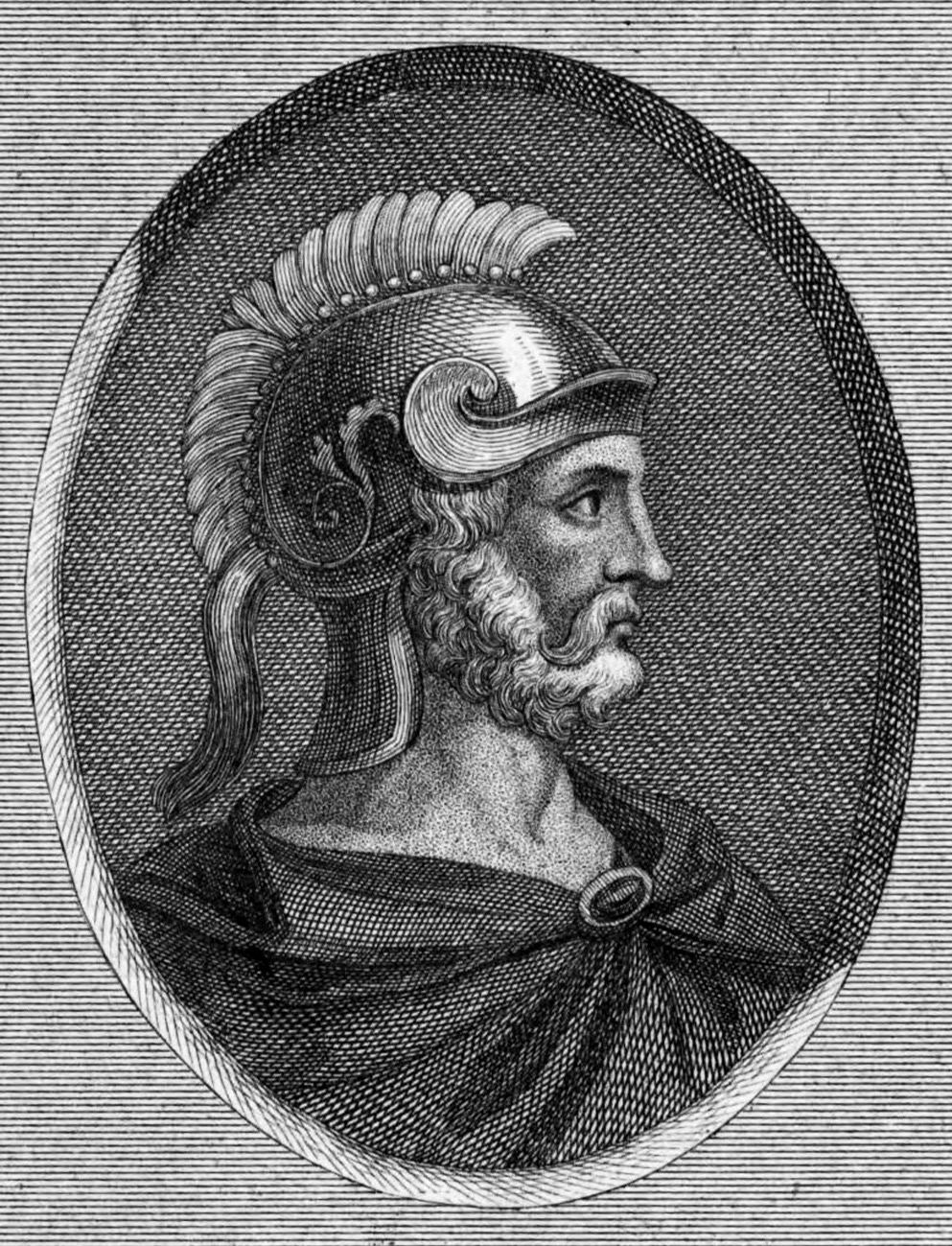
Hamilcar Barca
Hannibal's father. He held Rome at bay in Sicily during the First Punic War, then conquered much of Spain.
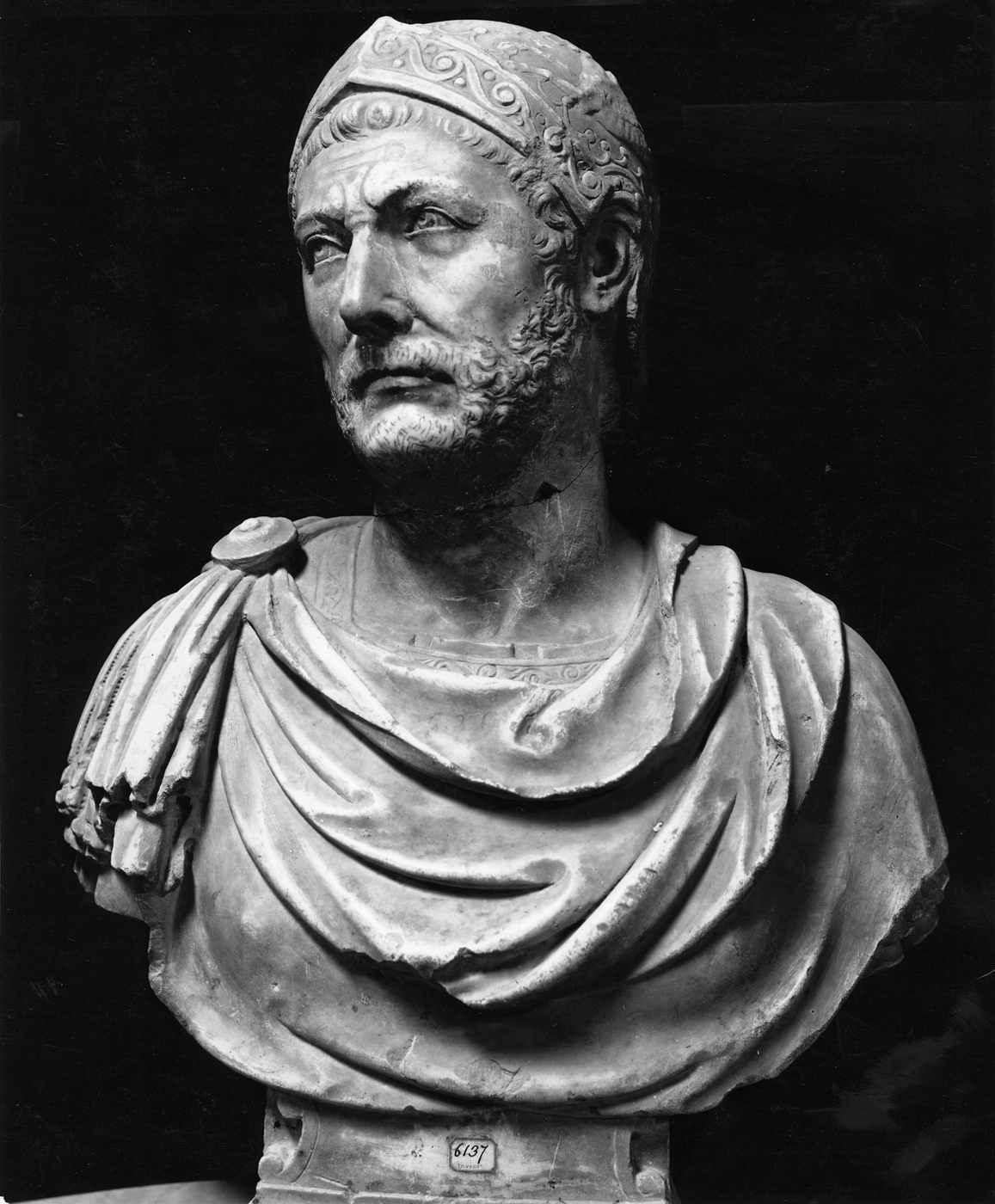
Hannibal Barca
Trebia, Trasimene, Cannae — the strategist who made Rome tremble after crossing the Alps with his elephants.
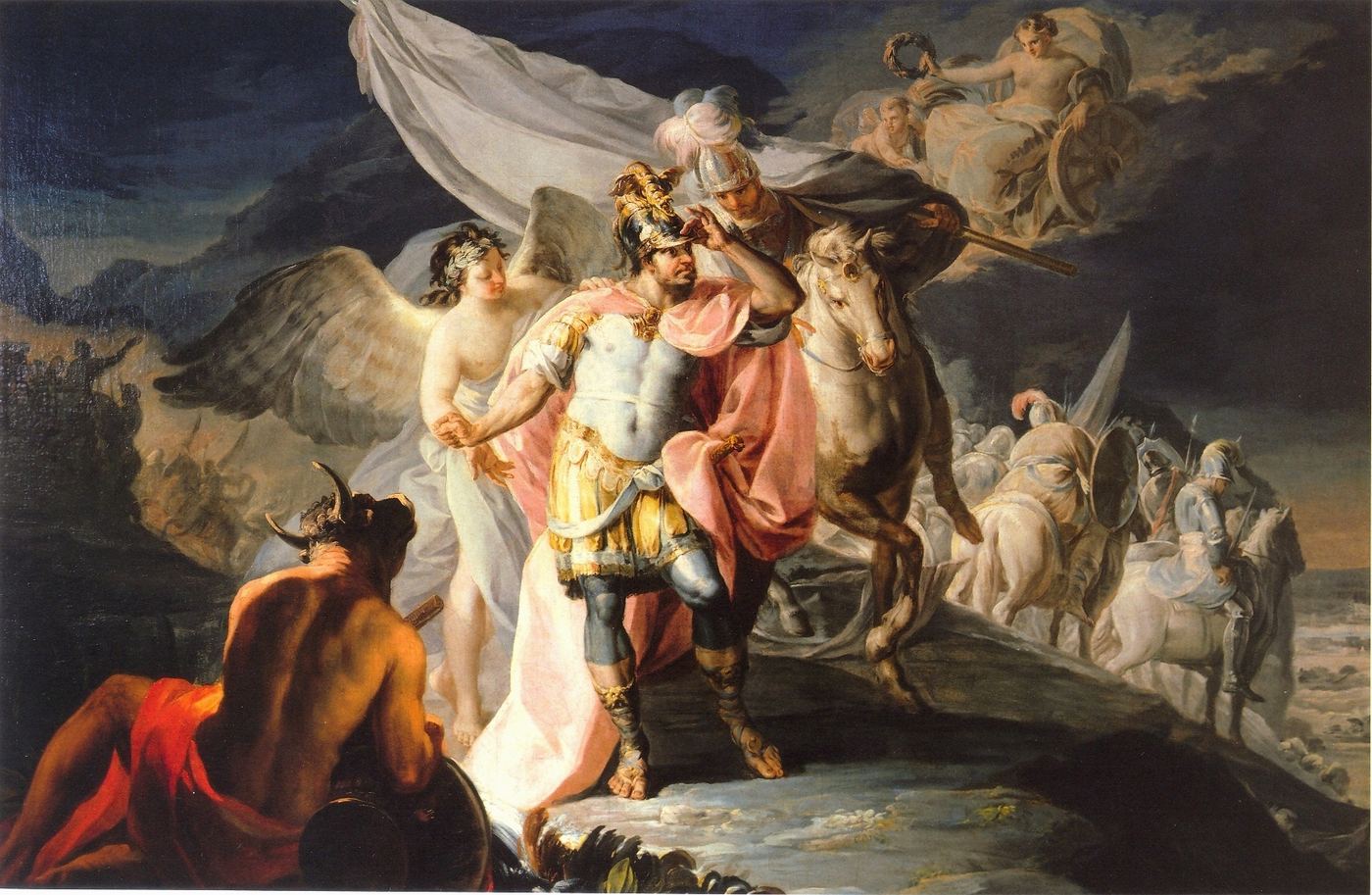
Carthage was never "wiped off the map"
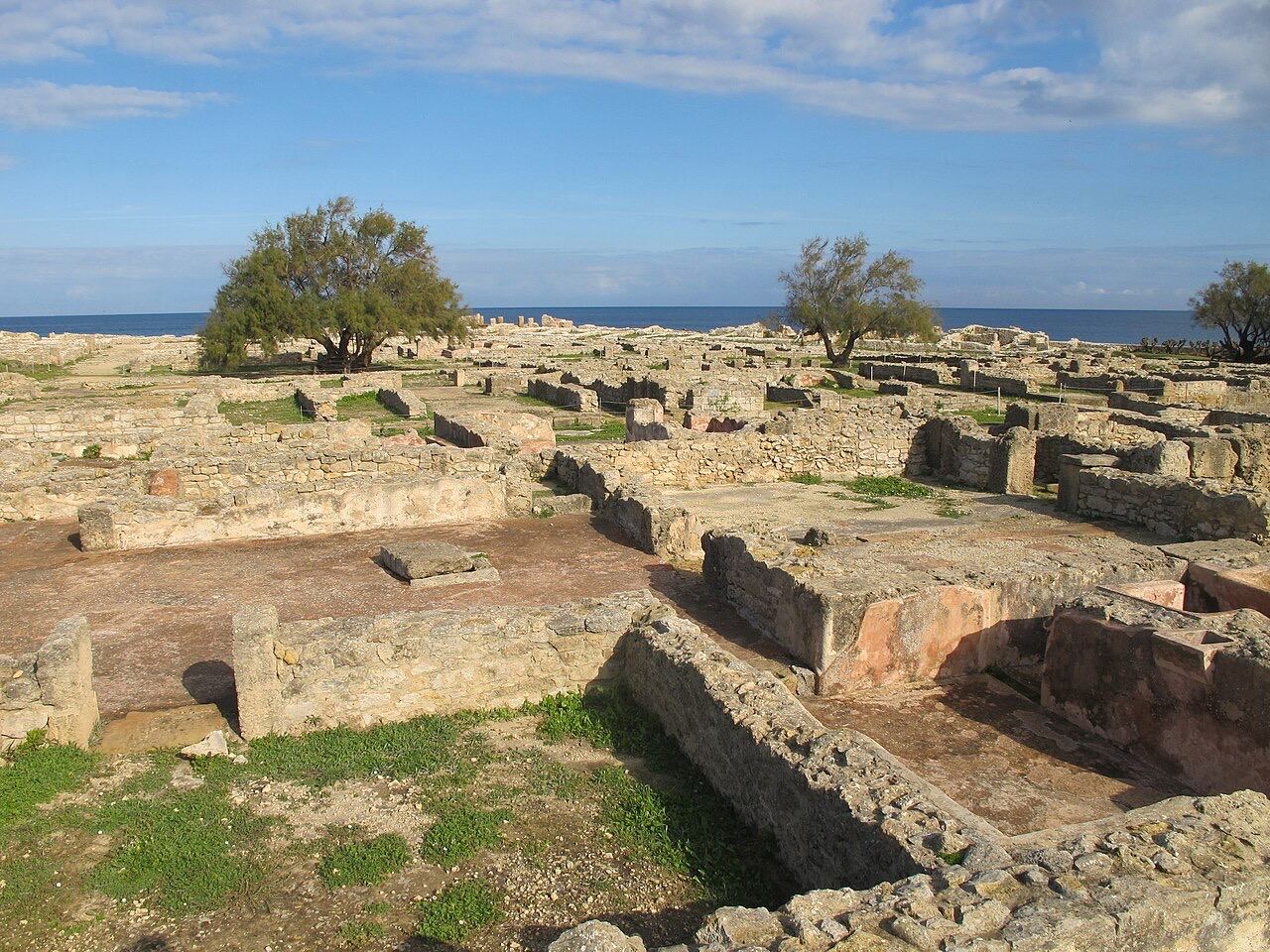
The salt sown on the ruins is a modern myth: no ancient source mentions it. Taken and burned in 146 BC, the city was refounded by Rome on the same site — Augustus' Colonia Julia Carthago became one of the largest cities of the Roman West.
Read about the fall of Carthage →Explore history
Timeline, battles, economy, legacy: pick your way in.