Iberia · 212 – 206
Carthage's horseman
For six years he served Carthage in Iberia. His light cavalry harried the Romans, and Livy gives him a part in the disaster of the Scipios in 211. He was still in the Punic camp at Ilipa.
c. 238 – 148 BC
King of the Numidians — ally of Carthage, then of Rome
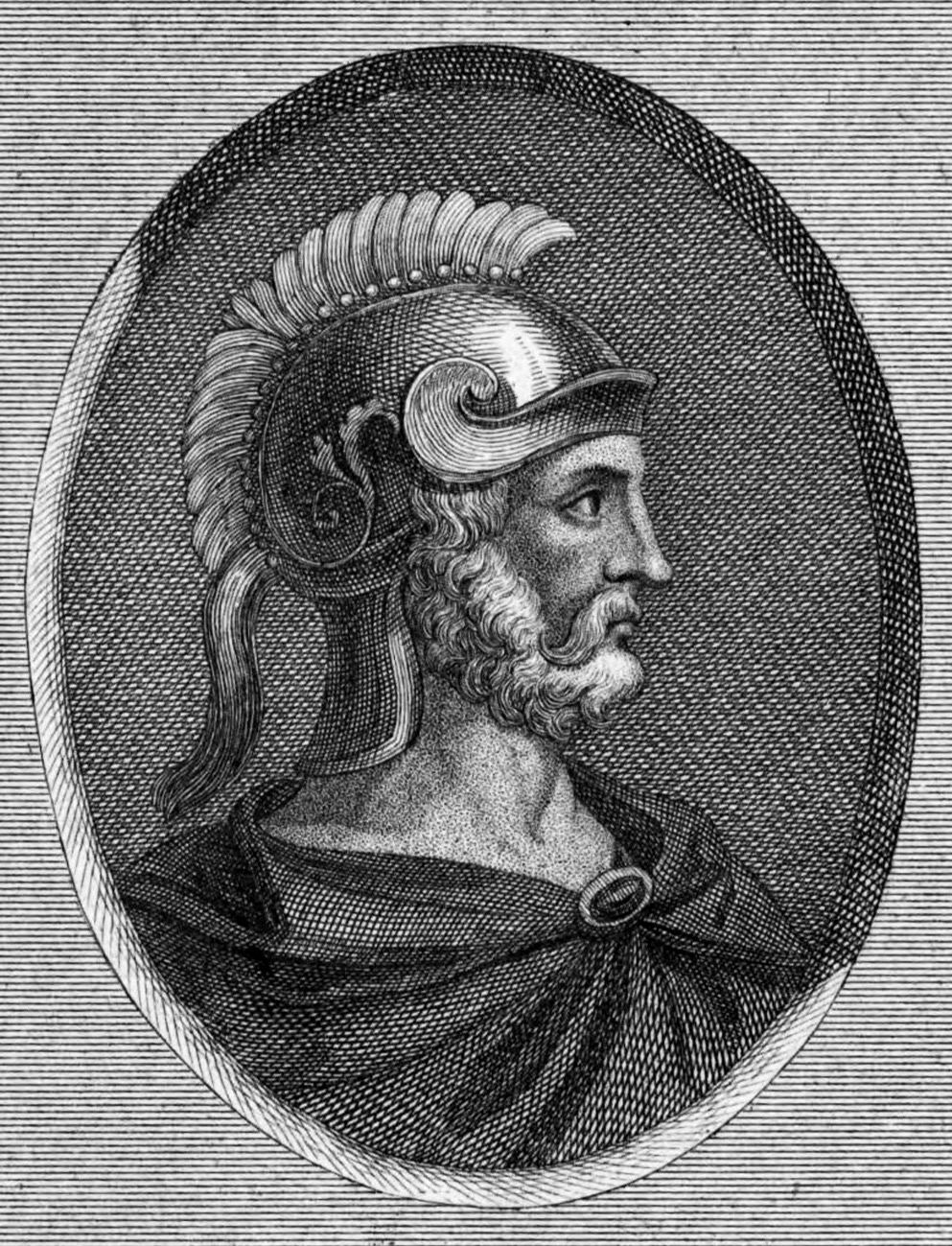
Educated in Carthage, he first fought for her in Iberia, went over to Rome in 206, decided the day at Zama, then ruled for over half a century a united, settled Numidia facing the Mediterranean. Carthage never had a more formidable neighbour.
years old at his death in 148: he still mounted his horse unaided (Polybius)
years on the throne of Numidia, from 202 to 148
Numidian horsemen at his side at Zama in 202 (Livy, XXX, 29)
sons, according to an ancient tradition: the figure varies between authors
Masinissa was the son of Gaia, king of the Massyli, the eastern Numidian people whose land bordered Carthage's. To the west ruled Syphax, king of the Masaesyli. According to Appian, the young prince was educated in Carthage, like other sons of the Numidian nobility: he knew its language, its customs and its great families.
This Punic education was no mere detail. Throughout his life Masinissa ruled like a Mediterranean monarch, with Punic as the language of administration and royal inscriptions — while turning against Carthage what he had learned there.
This is how the Punic inscriptions of Dougga spell his name. Greeks and Romans made it Massanasses, Masinissa or Massinissa. Its meaning, sometimes linked to Berber, remains a hypothesis.
Three moments, three alliances: Masinissa's choice of side always followed the interests of his kingdom.
For six years he served Carthage in Iberia. His light cavalry harried the Romans, and Livy gives him a part in the disaster of the Scipios in 211. He was still in the Punic camp at Ilipa.
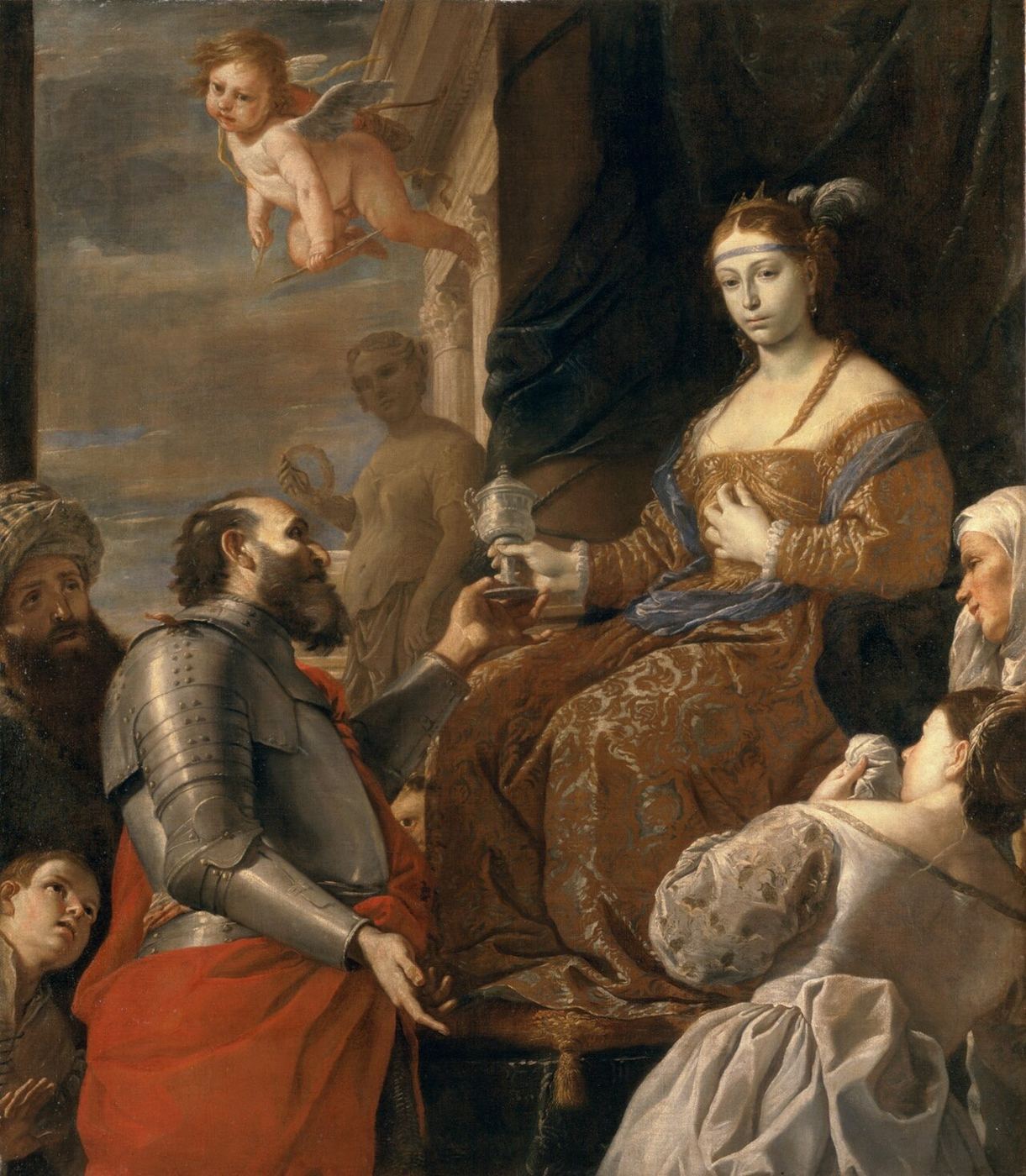
Carthage backed the more powerful Syphax and sealed the alliance with the marriage of Sophonisba, daughter of Hasdrubal son of Gisco. Sidelined, Masinissa had no card left but Rome. The Sophonisba episode of 203 shows how far he depended on Scipio.
Against Hannibal, the Numidian cavalry, usually Carthage's weapon, fought this time for Rome. Masinissa and Laelius scattered the enemy horse, then came back to strike the Punic infantry from behind.
Over fifty years of rule: what the sources remember of Masinissa's Numidia.
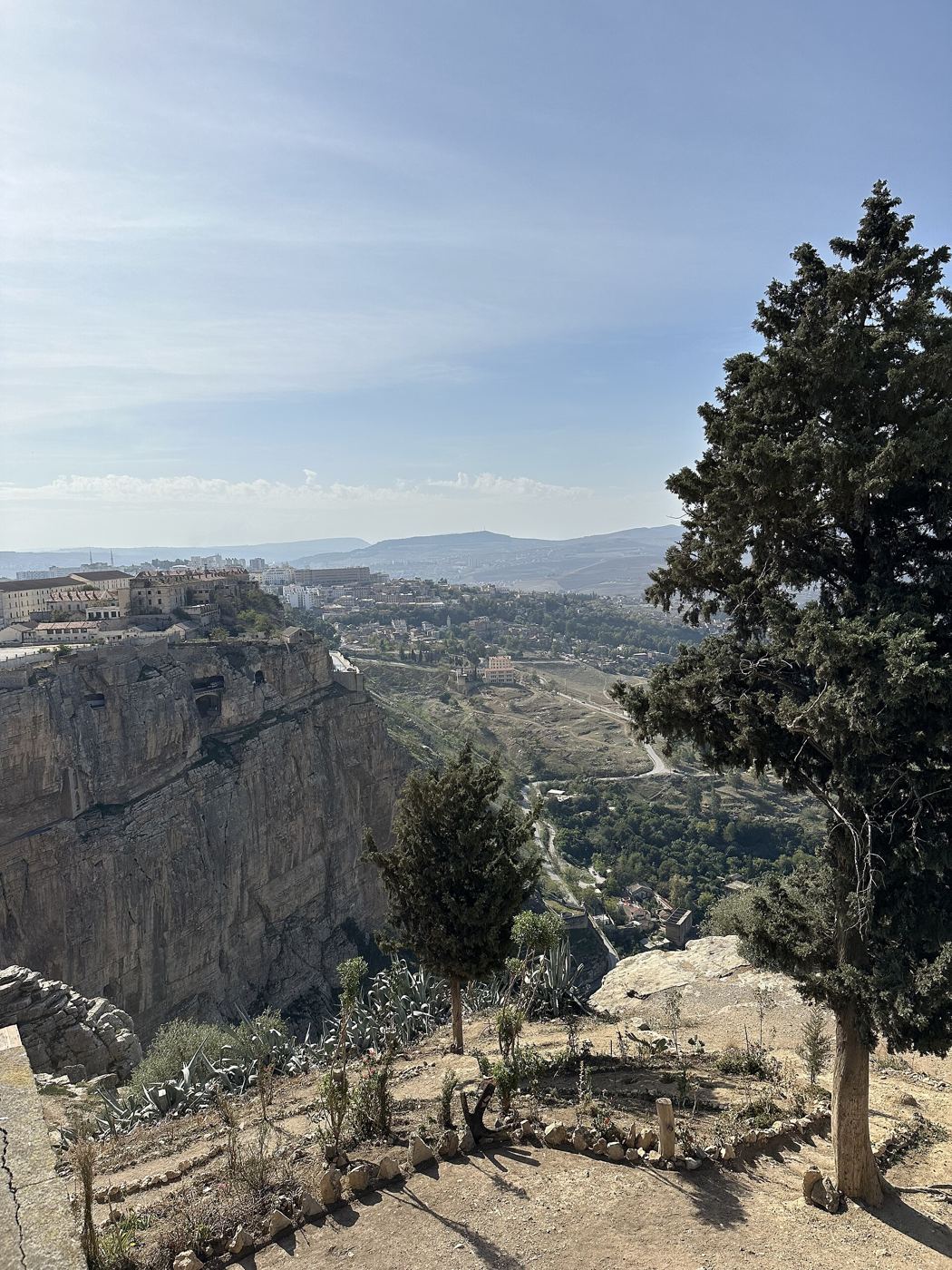
Once Syphax's stronghold, Cirta became the centre of the united kingdom. Greek and Italian traders settled there; the city long kept a Punic culture.
Polybius credits him with showing that Numidia, thought barren, could grow every crop; he is said to have given each of his sons large estates. Historians qualify this: Numidian farming predates him, but he encouraged it.
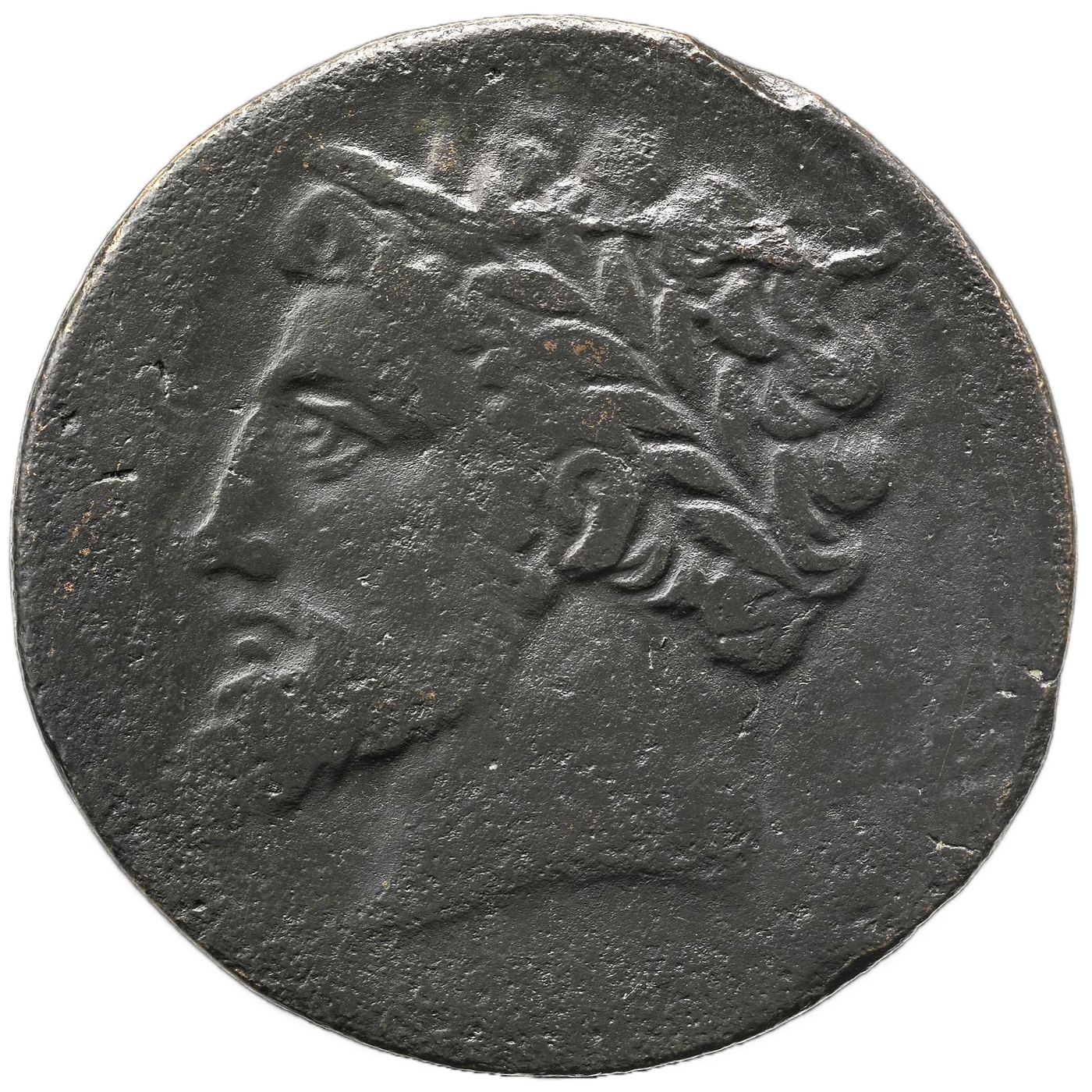
Bronzes with a bearded, laureate head on the obverse and a horse on the reverse, bearing Punic letters, are attributed to Masinissa or his successors. The precise attribution of the issues is still debated.
He sent grain to Greece; statues were dedicated to him on Delos. One of his sons, Mastanabal, won a chariot race at the Panathenaic Games in Athens. The court spoke Punic and looked towards the Hellenistic world.
« His greatest and most admirable achievement was this: whereas all Numidia had until then been thought barren and unable to produce cultivated crops, he was the first and only one to show that it could produce them all, as well as any other land. »
The treaty of 201 forbade Carthage any war without Rome's consent and let Masinissa claim the lands "of his ancestors". For half a century he made the most of it: the Emporia of the Lesser Syrtis, then the Thugga region and the Great Plains came under his control, and Rome, called to arbitrate, almost always found in his favour.
This long pressure, down to the war of 150 that gave Rome its pretext, is told in detail on the page devoted to the fall of Carthage.
Where does Masinissa lie? No tomb can be attributed to him with certainty.
Masinissa died in 148, while the legions were besieging Carthage. He had many children — Livy reports that he fathered one more after the age of eighty-six (Periochae, 50). Scipio Aemilianus, entrusted with the settlement, divided power among his three legitimate sons: Micipsa received Cirta and the government, Gulussa war, Mastanabal justice (Appian, Libyca, 106).
The cult of the dead king is attested: at Dougga, a bilingual Libyan and Punic inscription records the building, in 139, of a sanctuary dedicated to Masinissa, in the tenth year of Micipsa's reign.
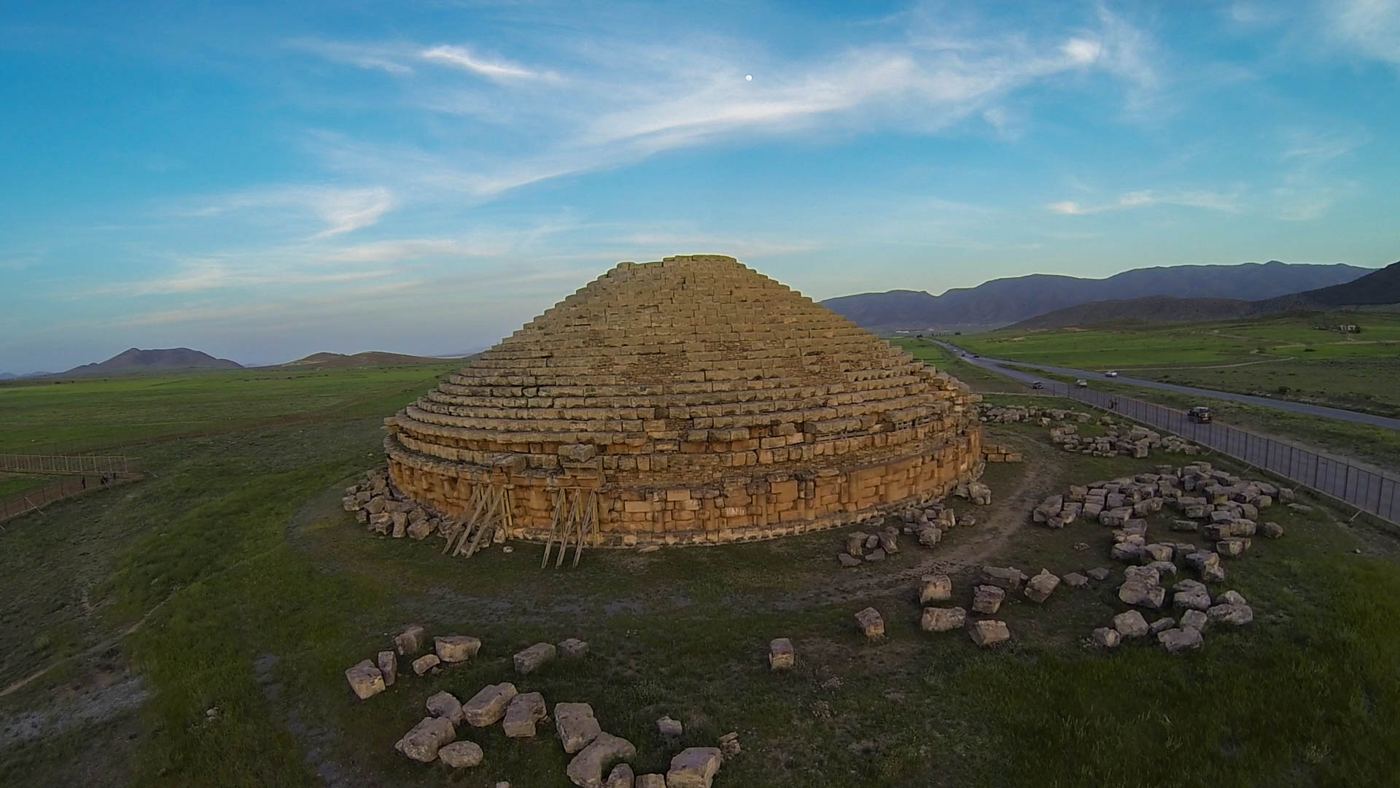
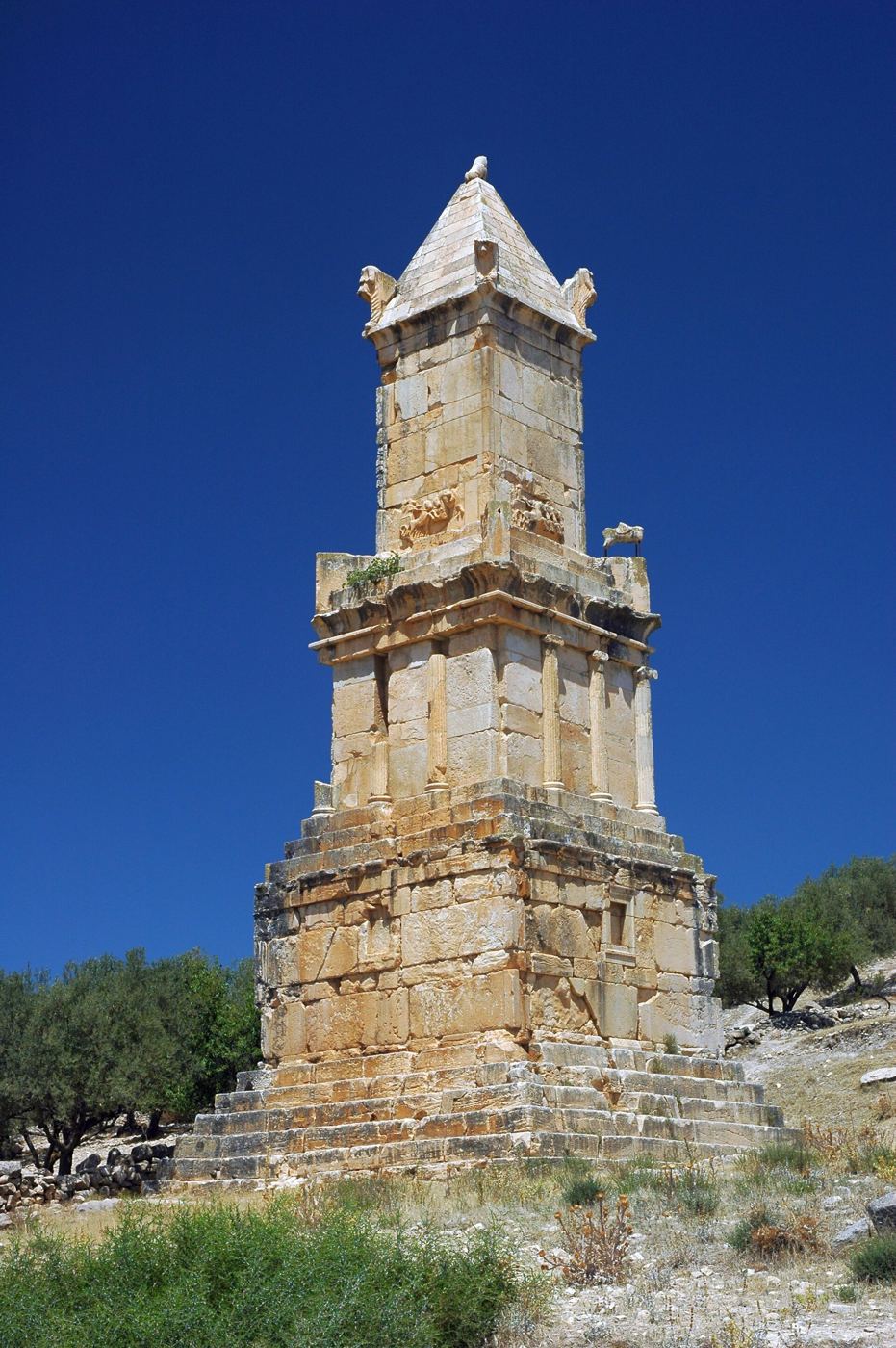
The Dougga mausoleum bore a bilingual inscription, now in the British Museum, naming one Ateban, son of Iepmatath: it is most often seen as the tomb of a Numidian prince, and the idea of a cenotaph of Masinissa is unproven. Near Cirta, the Soumâa of El Khroub has been proposed as the tomb of Masinissa or Micipsa, again without decisive proof. The older Medracen shows that Numidian kings were already building great tombs before him.
Masinissa left a united, powerful Numidian state allied to Rome — too powerful, perhaps, for Rome's liking. His descendants and his memory have come down the centuries.
Sole king after his brothers died, he ruled from Cirta until 118 and carried on his father's work.
Masinissa's grandson through Mastanabal, he defied Rome from 112 to 105: Sallust tells the story.
A founding figure claimed by Algerian national memory: statues, and names of streets, towns and institutions.
For the Amazigh movement, he embodies an autonomous North African power older than Rome.
Dougga, Mactaris and north-western Tunisia were part of his kingdom; his figure also belongs to Tunisian history.