The Afri (or Aourigha), a Berber people living near Carthage. The Berber word ifri would refer to cave dwellers.
The Romans are thought to have extended the name of Carthage's immediate neighbours to the whole region.
For the Romans, Africa first meant the province created in 146 BC on the territory of Carthage — the north-east of present-day Tunisia. Over two thousand years, the name spread to the whole continent.

Four hypotheses have been proposed. None is proven; the first is the most widely accepted.
The Afri (or Aourigha), a Berber people living near Carthage. The Berber word ifri would refer to cave dwellers.
The Romans are thought to have extended the name of Carthage's immediate neighbours to the whole region.
In the language of Carthage, ʿafar means "dust" or "earth": Africa would simply be "the land".
An etymology that would echo the semi-arid landscapes of inland Tunisia.
The Latin aprica, "exposed to the sun", suggested by Isidore of Seville among others to explain the hot climate.
Appealing, but now regarded as a folk etymology.
From the Greek a-phrikē, "without shivering": a warm land, as opposed to the Greek climate.
Reported by Leo Africanus in the 16th century; a minority view among specialists.
From a local people to a continent of 54 countries.

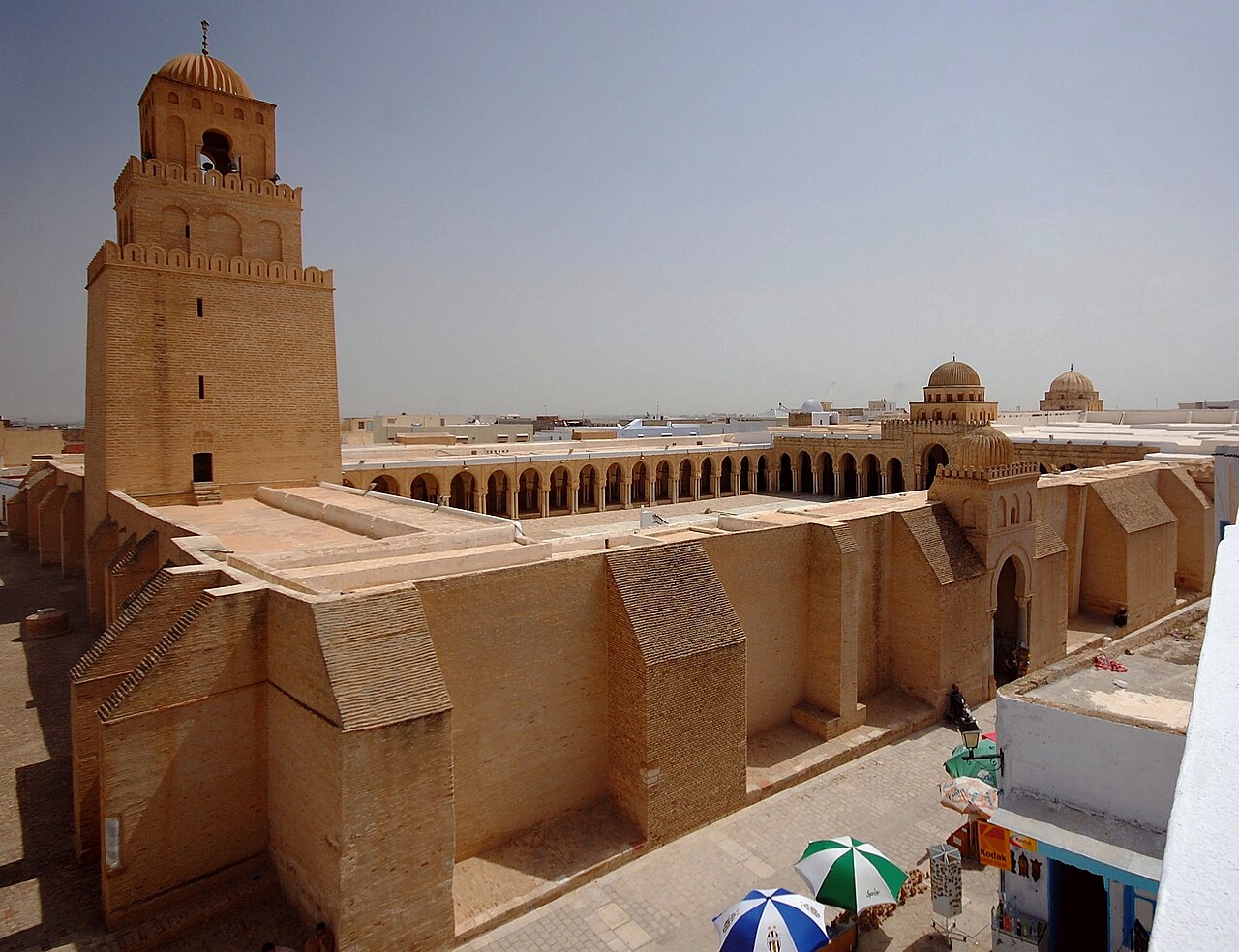
Ifriqiya (إفريقية) is a direct transcription of the Latin Africa. Used throughout the Middle Ages for Tunisia, together with eastern Algeria and Tripolitania, it shows that the name never left the region. Meanwhile Carthage itself, refounded by Rome, had again become the capital of Roman Africa.
The peoples who preceded, welcomed and lived alongside the Phoenicians.
A prehistoric culture named after Gafsa (Capsa) in Tunisia. Probable ancestors of the Berbers, they left many archaeological sites.
The indigenous people of the Maghreb for millennia, ancestors of today’s Amazigh. A rich rock art attests to their presence.

Elite horsemen from present-day Algeria and western Tunisia. Masinissa weighed heavily at the end of the Second Punic War; Numidian cavalry served Carthage, then Rome.
In the Fezzan (Libya), a prosperous civilisation in the heart of the Sahara thanks to underground irrigation channels (foggaras), at the centre of trans-Saharan trade.
Phoenician traditions and Libyco-Berber cultures mixed; intermarriage was common. The resulting Punic culture was distinctly African.
Baal Hammon and Tanit, brought from Phoenicia, took on a new place and new forms in Carthage; the influence of Libyan cults is debated.
Religion →Derived from Phoenician, Punic was still spoken in North Africa until the 5th century AD, as Saint Augustine attests.
Appian describes six-storey houses near Byrsa; Punic town planning adapted to the African site and climate.
Libyans, Numidians and Moors fought alongside Iberians, Balearic slingers and Gauls: the army reflected Carthage’s African roots.
The army →Phoenician skills combined with local knowledge of soils produced one of the most productive agricultures of antiquity.
Agriculture →
A culture from the East, rooted in Africa, open to Greece and Egypt: Carthage was a crossroads.
Phoenician culture emerged from the Canaanite world after the upheavals of the “Sea Peoples”, around 1200 BC. It absorbed Egyptian and later Greek influences early on. Carthage inherited this blend and carried it west.
According to Augustine, African peasants still called themselves “Chanani”, Canaanites, more than five centuries after 146. The testimony is debated: Josephine Quinn sees a rhetorical turn of phrase, and Gabriel Camps a Libyan dialect, since punicus then often meant “African”.
Small glass masks placed in tombs to ward off demons, the lotus motif: Egypt is everywhere. From the 4th century BC, Greek influences were layered on top.
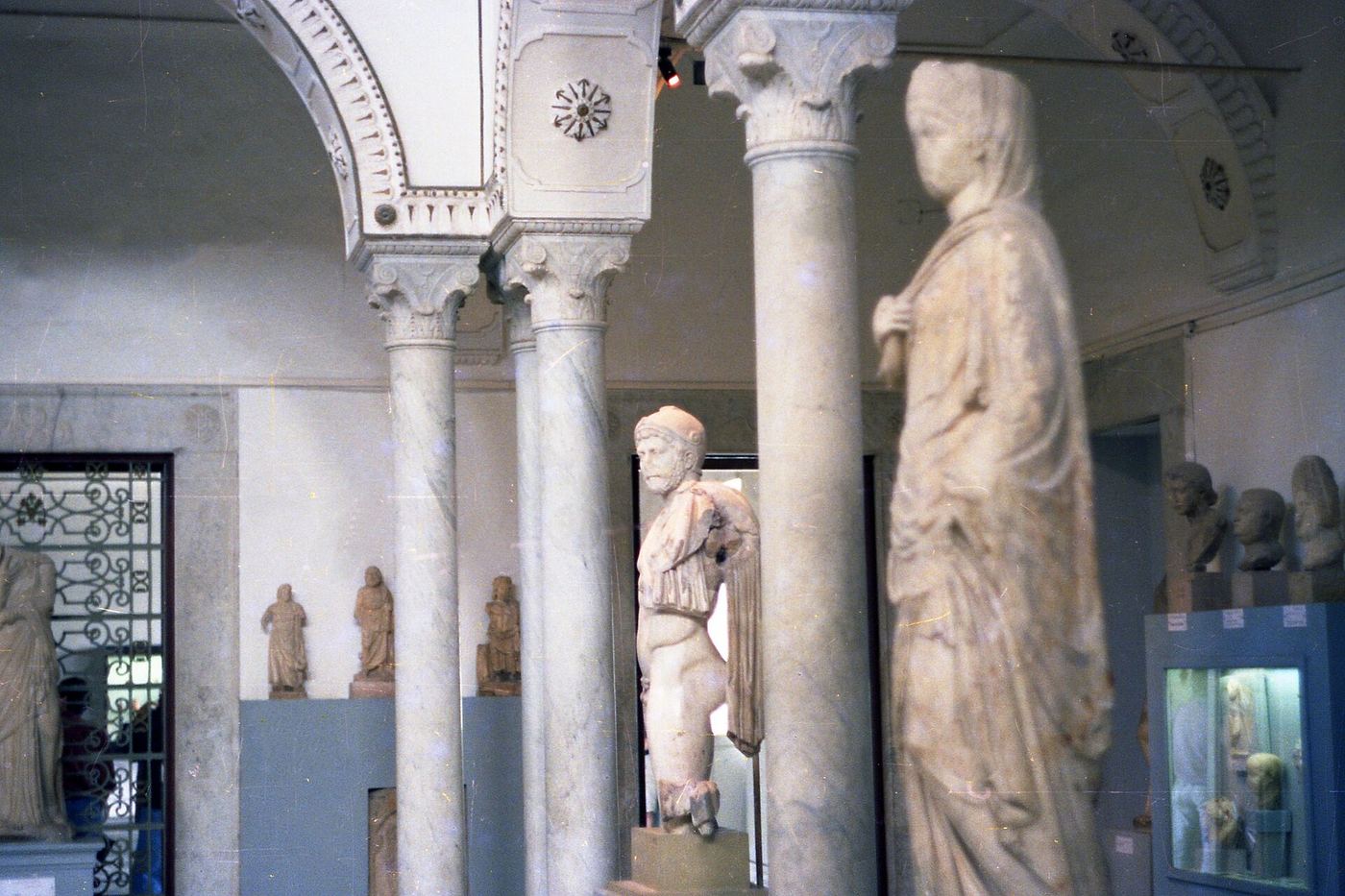
The Motya youth, a 5th-century marble found in 1979, sums up the problem: a Hellenised Melqart, Greek war booty, or a Punic commission from a Sicilian sculptor? For Serge Lancel, Carthage was above all a hub, highly open to outside influences.
The Libyco-Punic mausoleum of Dougga (2nd century BC) blends Egyptian traditions and Greek contributions on Numidian soil. At El Hofra, near Cirta (Constantine), the most important Neo-Punic sanctuary excavated combines Libyan and Punic elements.
In the towns of Roman Africa, there were sometimes three suffetes instead of two: some specialists see this as a Berber contribution.
Suffetes still governed towns of Roman Africa in the 2nd century AD. The opus africanum of Kerkouane reappears in the Capitol of Dougga. Baal Hammon became the African Saturn, worshipped until the 4th century, and Tanit the Roman Caelestis (Marcel Le Glay).
According to Pliny (XVIII, 22), the books of Carthage's libraries were handed to the Numidian kings. For Stéphane Gsell and later M. H. Fantar, the survival of a Semitic language may have eased, much later, the Arabisation of the Maghreb.
For about a decade, ancient DNA has been used to question the origins of the people of the Punic world. The results, based on still limited samples, challenge the picture of a population that came en masse from the Levant.
What Carthage bequeathed to the continent.
The most lasting legacy: the very name of Africa comes from the land where the Punic city stood.
The Carthaginians were among the first explorers of Africa’s Atlantic coasts.

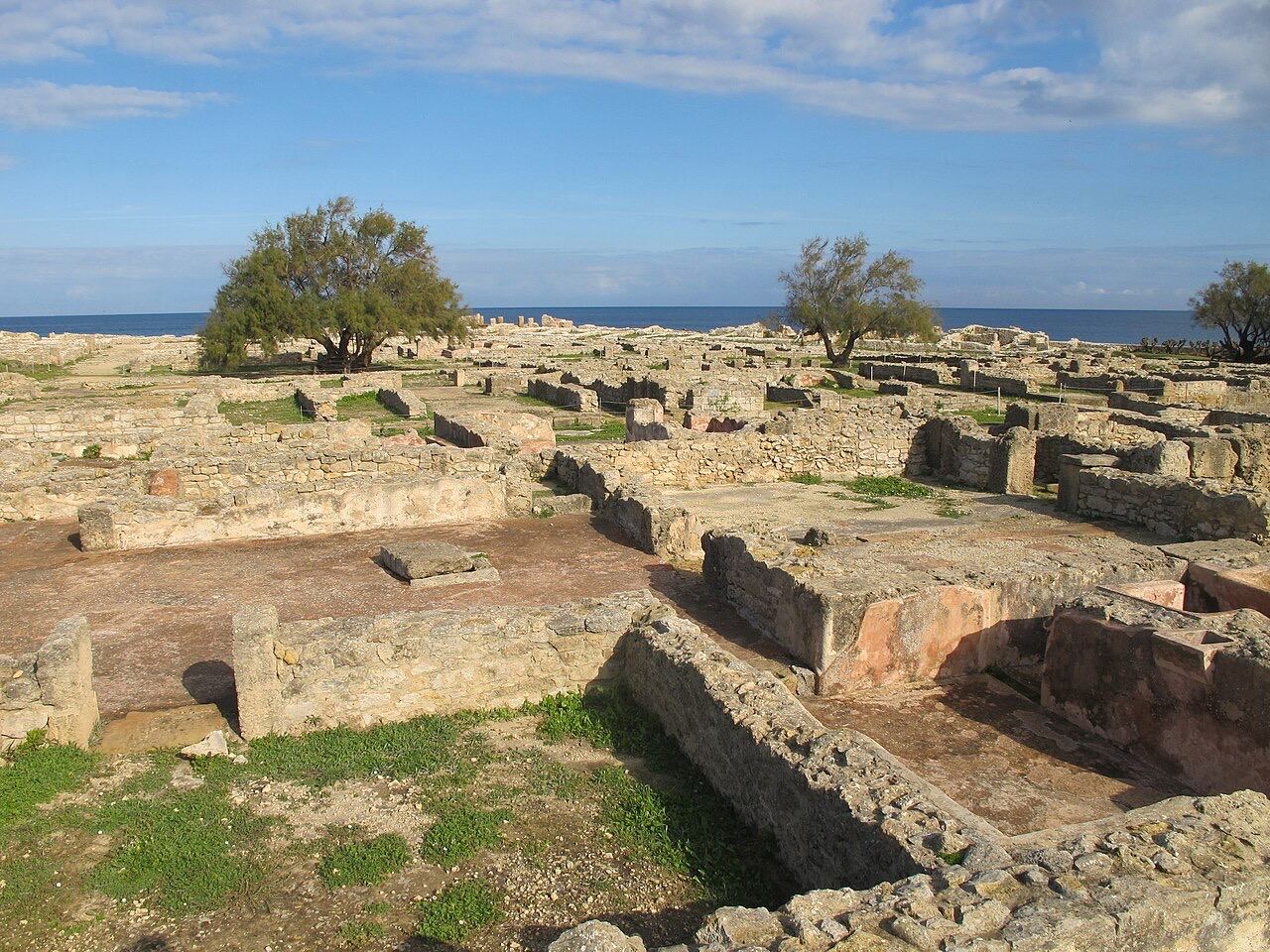
Carthage laid the foundations of the city in North Africa; Kerkouane, on Cape Bon, is its best witness.
Carthaginian techniques transformed the North African countryside.
Augustine of Hippo (354–430), a Romanised Berber, reports that Punic was still spoken in the countryside — more than 500 years after the fall of Carthage.
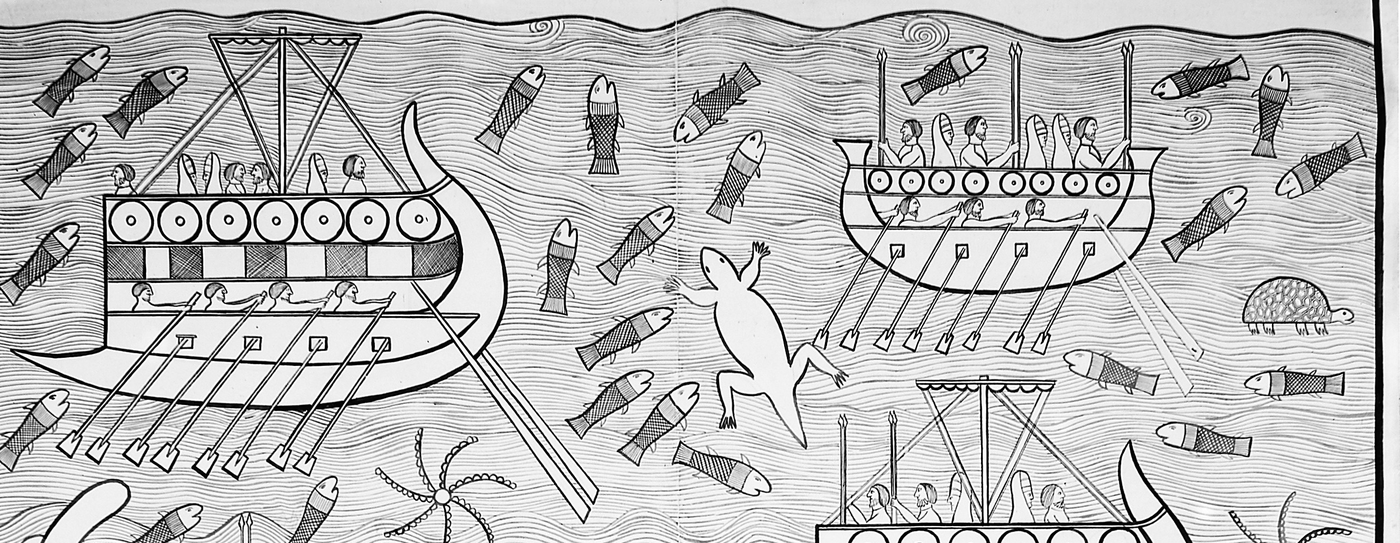
Around 500 BC, 60 ships and 30,000 settlers along the Atlantic coast. The account describes "gorillas" — probably chimpanzees or gorillas — and a mountain on fire.
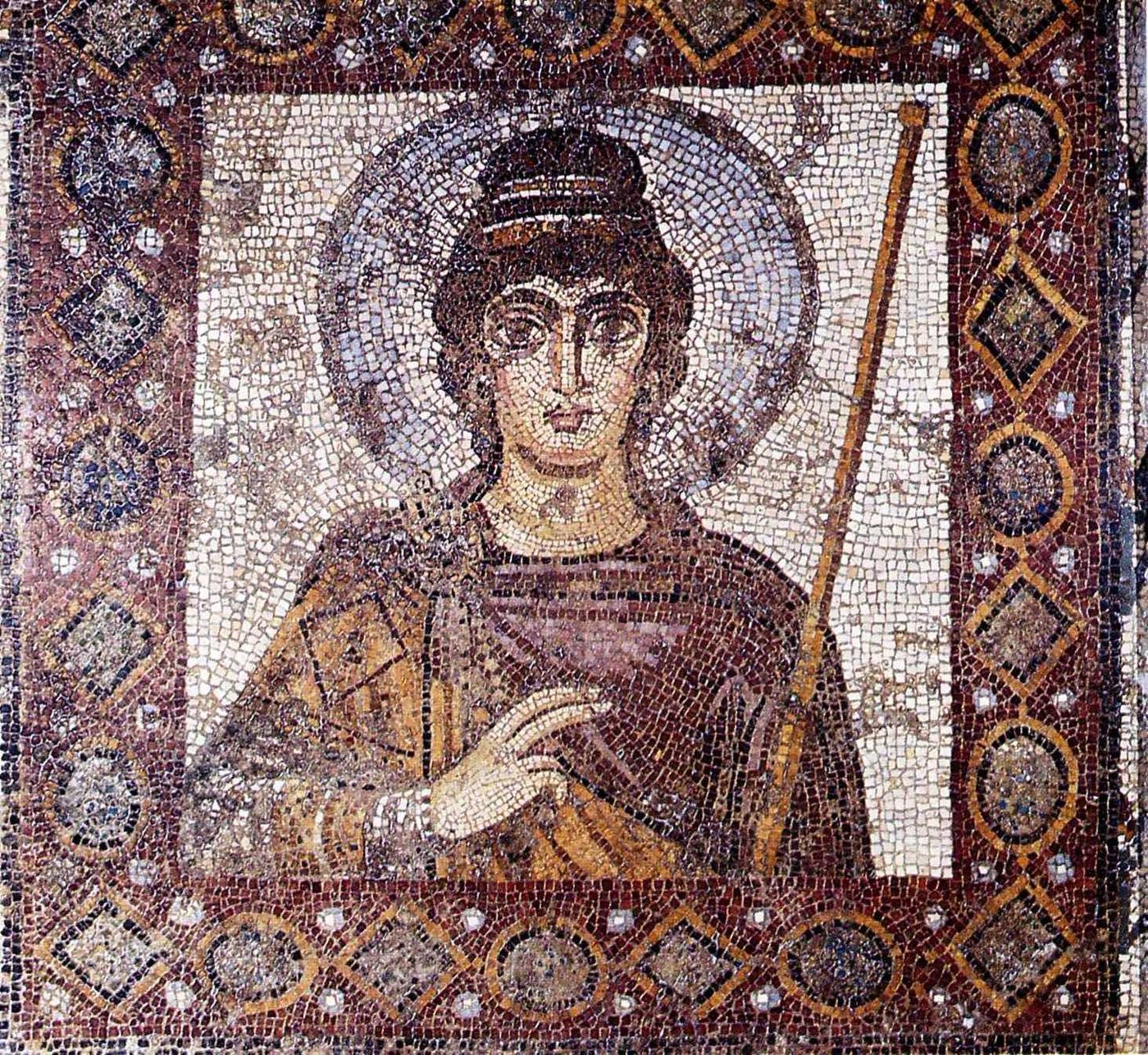
Planned by Caesar, the refoundation of Carthage was carried out under Augustus (29 BC). It became one of the largest cities of the Empire, capital of Africa.
The Arabic word إفريقية, the name of medieval Tunisia, is a direct transcription of the Latin Africa.
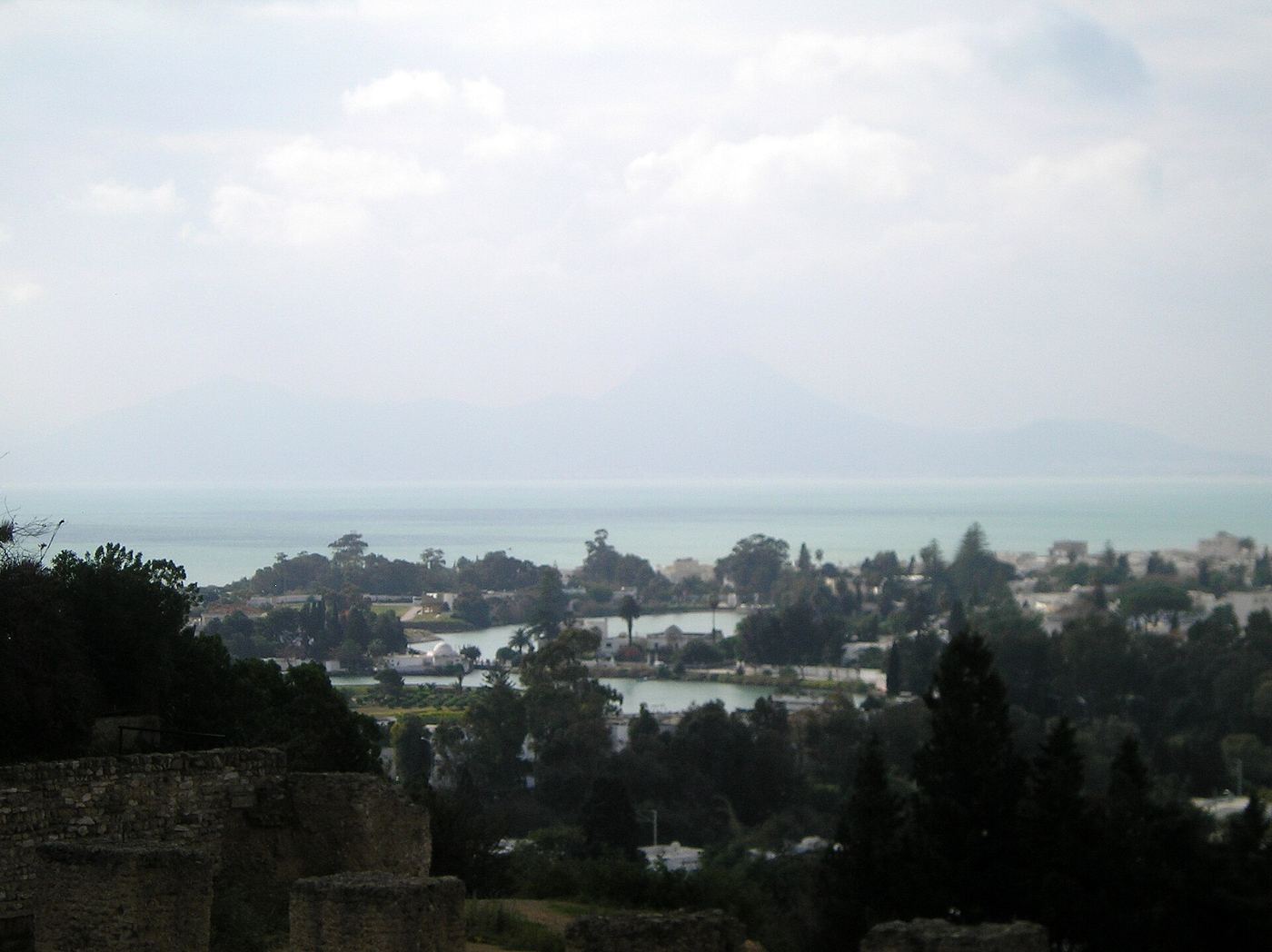
The site of Carthage, in the northern suburbs of Tunis, has been a UNESCO World Heritage Site since 1979.
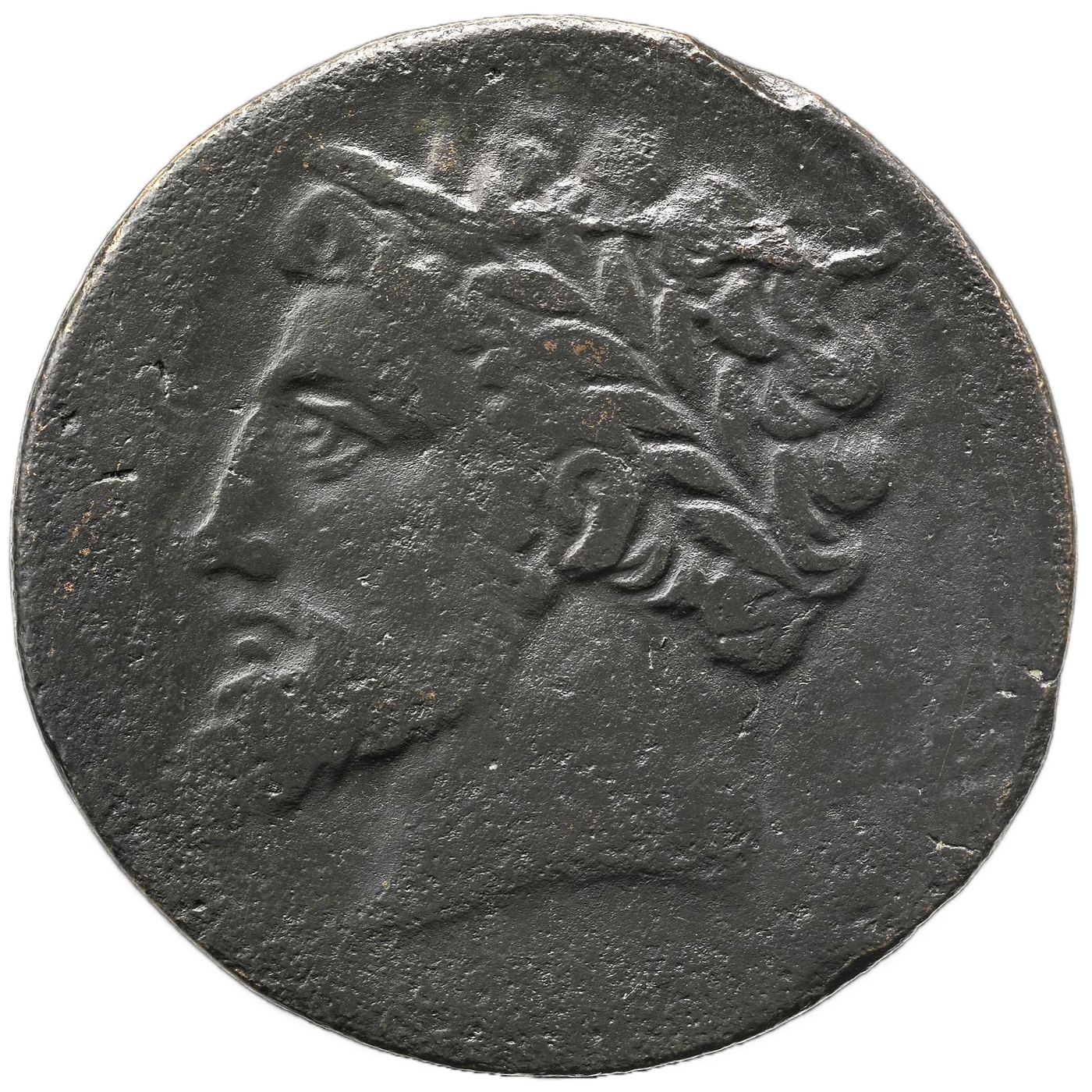
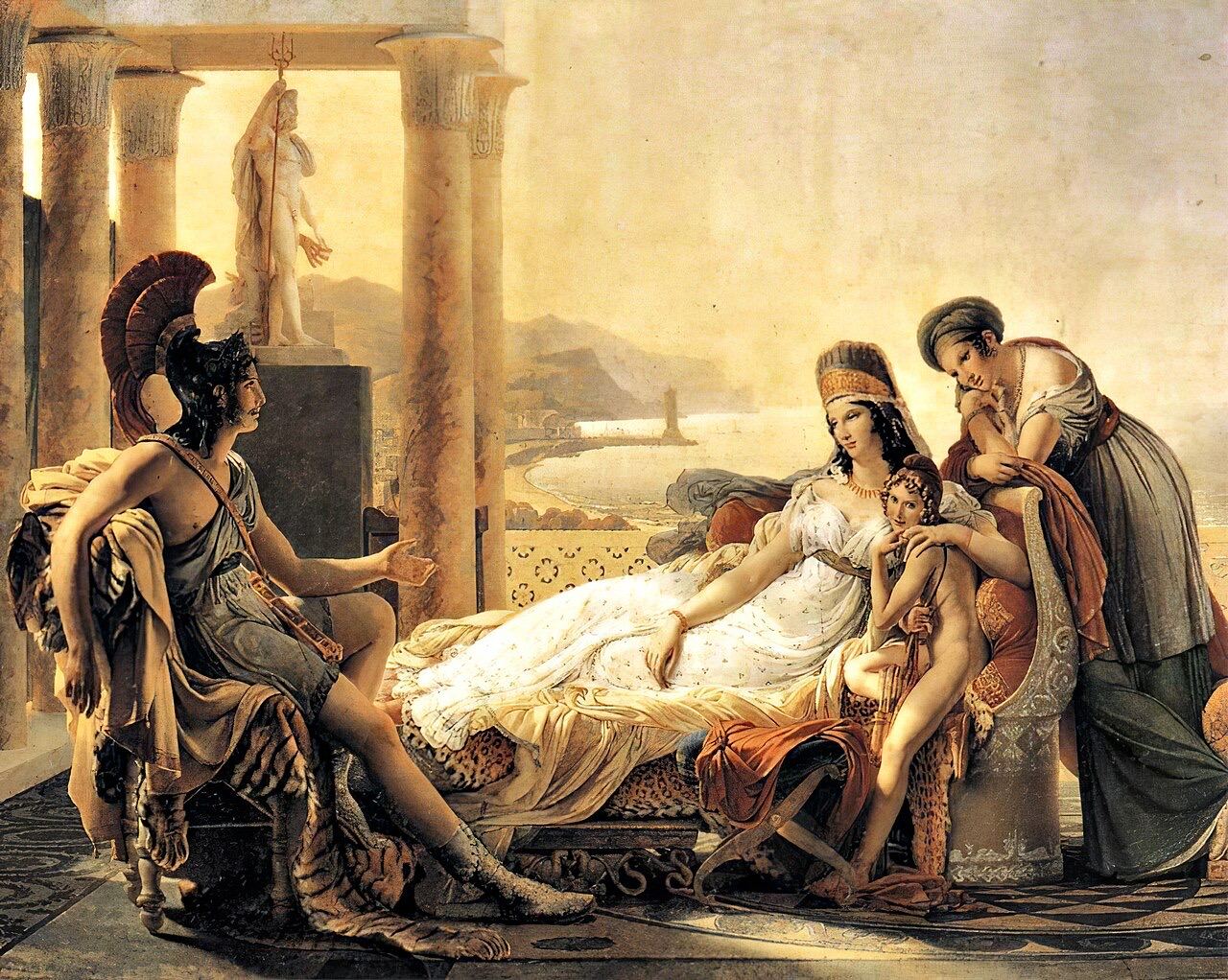
Hannibal, born in Carthage, led a largely African army against the greatest European power of his day.