Meaning certain
Hannibal
Transliteration:Ḥnbʿl
“Grace of Baal”, “Baal has been gracious”
A very common name in inscriptions, long before the son of Hamilcar Barca.
What did people eat, what did they wear, what did they call their children? The answers come in fragments: levelled houses, grave goods, thousands of short inscriptions, and the often mocking gaze of Greeks and Romans.
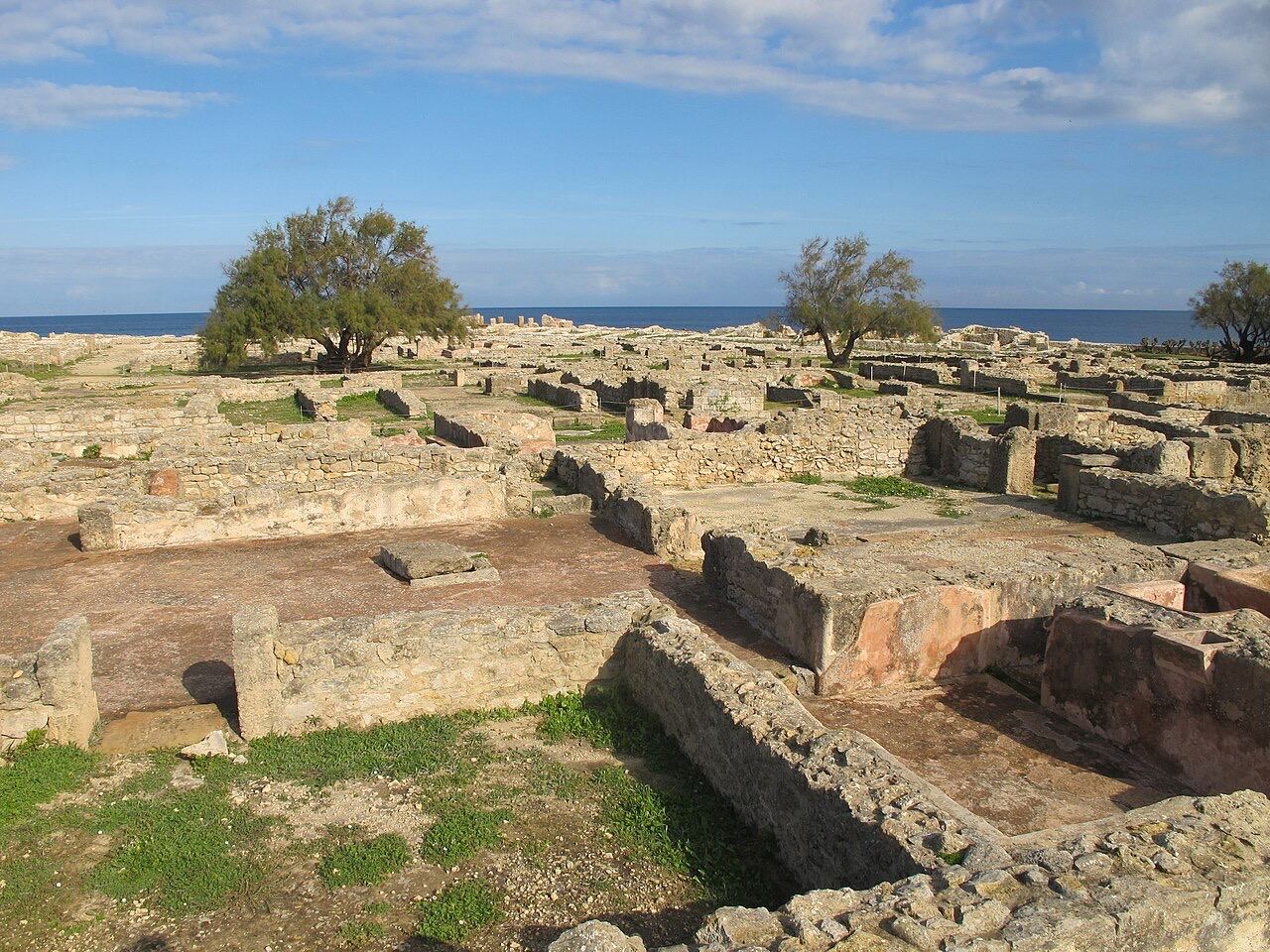
Kerkouane, abandoned around the mid-3rd c. BC and never rebuilt, and the Punic quarters of Byrsa show the houses; the necropolises yield tableware, jewellery and toys.
Thousands of votive stelae, mostly from the tophet, give names, trades, genealogies, sometimes a date. They are short and almost all religious.
Cato, Plautus, Plato, Livy and Justin speak of Carthage from the outside, often as enemies. We quote them, keeping a critical distance.
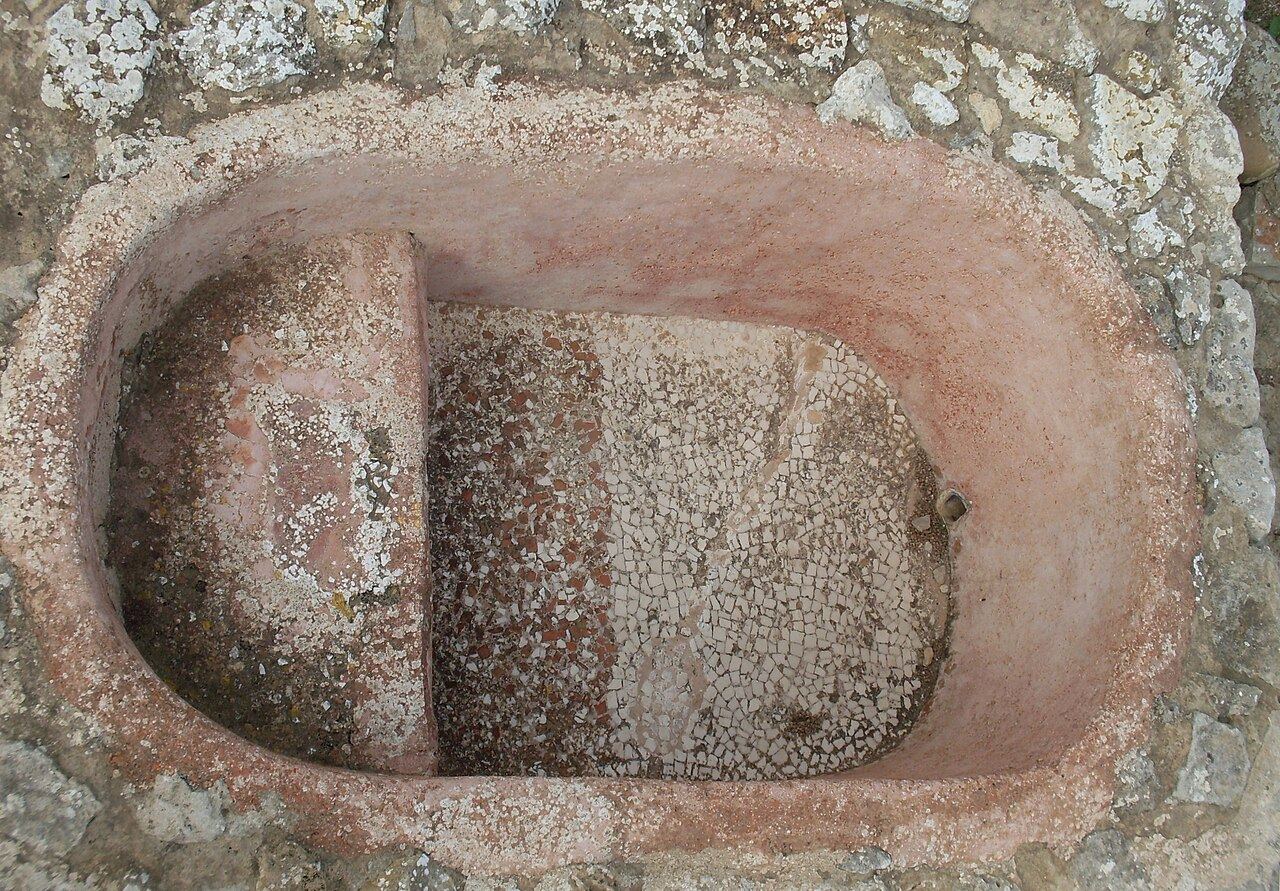
Punic houses survive only at ground level, but they tell of family life: water, hygiene, privacy.
No Punic cookbook has survived. Meals are reconstructed from excavated remains, utensils and a few Latin texts.
Put the alica in water and let it soak well.
Pour it into a clean bowl.
Add the fresh cheese, the honey and the egg; mix everything well.
Transfer to a new pot, and cook.
Cato gives no time or temperature: a Roman pound weighs about 327 g.
“Pultem punicam sic coquito. Libram alicae in aquam indito, facito uti bene madeat…”
“Cook Punic porridge thus. Put a pound of alica in water, make sure it is well soaked…”
Cato the Elder, De agricultura, 85 (mid-2nd c. BC)
Note: this is a Roman recipe “in the Punic style”. It tells us what Romans associated with Carthage, not necessarily what Carthaginians ate every day. Cereal porridge was, in fact, the Romans’ own staple too.
Wheat and barley were the basis of meals, as flatbreads, loaves and porridge. A terracotta model of an oven, like the tabouna still used in Tunisia, was found in a Carthaginian tomb.
Tuna, dried or salted fish, shellfish; and garum, the fermented fish sauce whose use the Punic world spread around the Mediterranean.
Figs, grapes, olives, almonds; the pomegranate, which Romans called the “Punic apple” (malum punicum, Pliny the Elder, book XIII); and dates from the palm, the emblem on Carthage’s coins.
Mago gave the recipe for this wine made from sun-dried grapes steeped in must; the Roman agronomist Columella copied it (De re rustica, XII, 39).
According to Plato, a Carthaginian law forbade wine to soldiers on campaign, to magistrates during their year of office, and to pilots and judges on duty.
To show that the enemy was only three days away by sea, Cato is said to have brandished a fresh fig picked in Carthage before the Senate (Pliny the Elder, XV, 74-76).
Read the story →Justin (XIX, 1) claims that the Persian king Darius ordered the Carthaginians to stop eating dog. The anecdote, isolated and late, cannot be verified.
No Punic garment has survived. We know them from stelae, terracottas, sarcophagi — and from foreigners’ jibes.
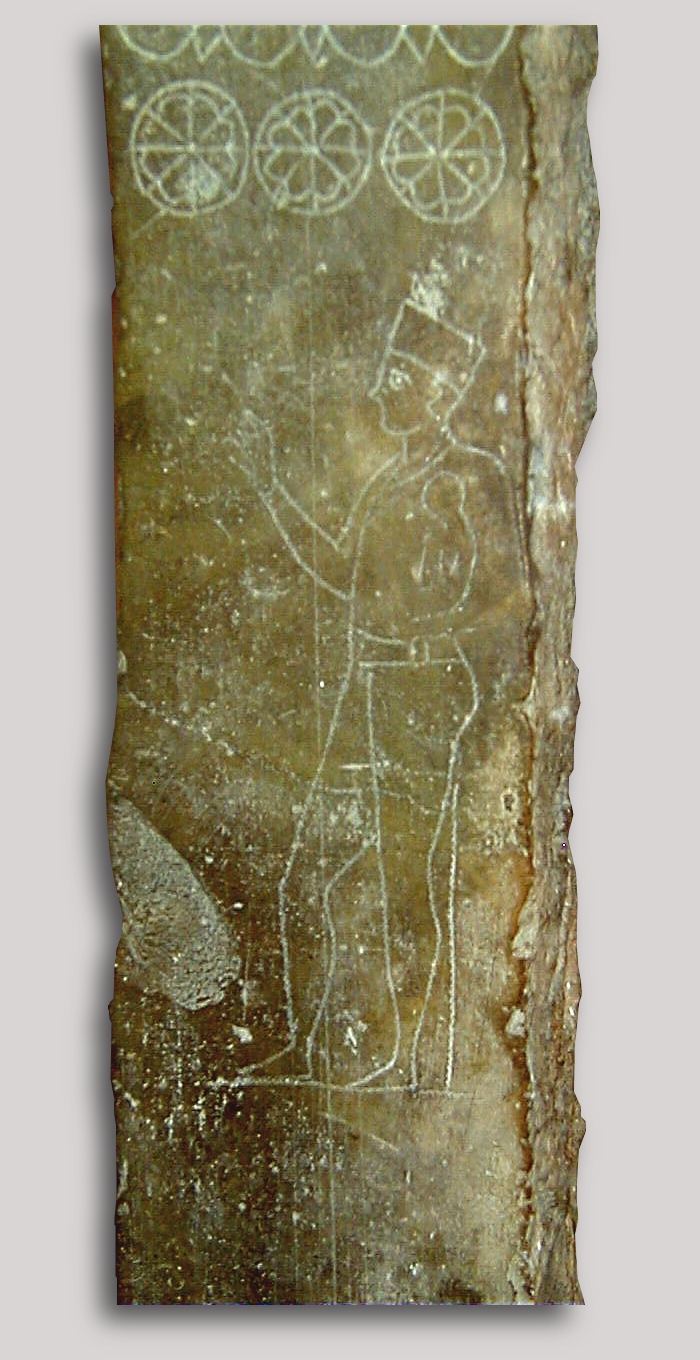
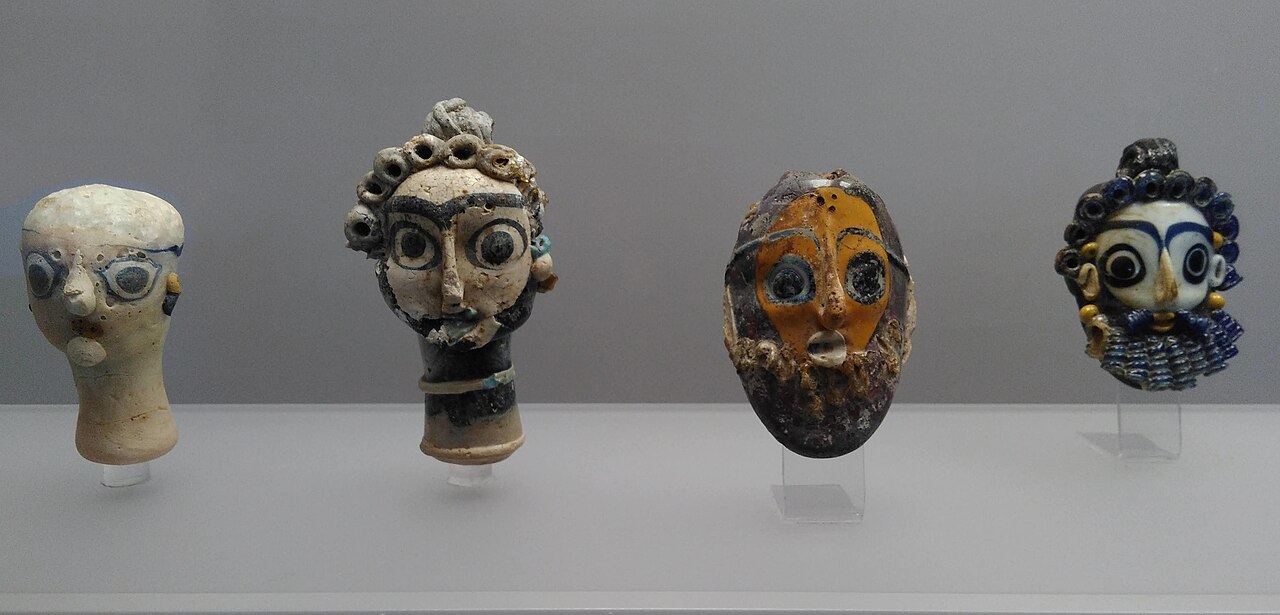
To Greeks and Romans, Phoenicians were refined merchants, perfumed and covered in jewellery, hence unmanly. Plautus plays it for laughs: long robe, no belt, servants with rings in their ears.
Such signs were ordinary in the Near East and say nothing about a lack of rigour. Livy himself describes Hannibal as frugal, sleeping on the ground in his soldier’s cloak, dressed like his peers.
Plautus, Poenulus, l. 975 ff. · Livy, XXI, 4
Most Carthaginian names are short sentences invoking a god. Written without vowels, right to left, they often reach us distorted by Greek and Latin.
Transliteration:Ḥnbʿl
“Grace of Baal”, “Baal has been gracious”
A very common name in inscriptions, long before the son of Hamilcar Barca.
Transliteration:ʿzrbʿl
“Baal is my help”
Borne by Hamilcar’s son-in-law and by one of his sons, and by Carthage’s last leader in 146.
Transliteration:Ḥmlqrt
“Brother of Melqart”
The most common reading (ʾḥ-mlqrt): the name ties its bearer to the god of Tyre.
Transliteration:Bdmlqrt
“In the hand of Melqart”
That is, under his protection. Borne by a general who tried to seize power in 308 BC (Diodorus, XX, 44).
Transliteration:Ḥmlkt
“Brother of the Queen” (?)
Milkat, “the Queen”, may be a divine title; the reading is debated. Name of the Atlantic navigator (Pliny, II, 169).
Transliteration:Mgn
“Gift” (of the gods)
Probably from the root mgn, “to give”. Name of the agronomist and of Hannibal’s youngest brother.
Transliteration:Ḥnʾ
“Grace, favour”
A shortened form of a ḥn- name, with the god left implicit. Name of the navigator of the Periplus and of Hanno the Great.
Transliteration:ʾdrbʿl
“Baal is mighty”
Borne by the admiral who defeated the Roman fleet at Drepana in 249 BC (Polybius, I, 49-51).
Transliteration:ʿbdmlqrt
“Servant of Melqart”
Names in ʿbd-, “servant of”, followed by a divine name, are among the most frequent on the stelae.
Transliteration:ʾmtmlqrt
“Handmaid of Melqart”
The female counterpart, attested on the votive stelae of Carthage, where women make offerings in their own name.
Transliteration:Ṣpnbʿl
“Baal has protected”
Greek and Latin form of a Punic name reconstructed as Ṣapanbaʿal: a probable reading, not a certain one.
Transliteration:ʾlšt
Meaning unknown
Greek transcription of a Phoenician name reconstructed as ʾlšt; its meaning, like that of Dido, is still debated.
A Punic name combines a divine name with a word or a verb. In inscriptions, each person is followed by their lineage, sometimes over several generations (“X son of Y son of Z”); the same names often pass from grandfather to grandson, hence so many Hannibals and Hasdrubals.
The Phoenician alphabetThe Punic calendar is known only in scraps: a few month names, a few festivals, mostly through inscriptions and Greek writers.
The word yrḥ means both moon and month. In Carthage, years were dated by the names of the two suffetes in office. Here are months attested in Phoenician and Punic inscriptions; their order in the year is a reconstruction.
In Tyre, King Hiram is said to have instituted the “awakening” (Greek egersis) of Heracles-Melqart (Menander of Ephesus, quoted by Josephus, Jewish Antiquities, VIII, 146). Punic inscriptions mention a priestly title, “raiser of the god” (mqm ʾlm), linked to this rite; how it unfolded is unknown.
Every year Carthage sent an embassy to Tyre with offerings for Melqart: Carthaginian envoys were there during Alexander’s siege in 332 (Arrian, Anabasis, II, 24).
Children’s graves and terracotta figurines give a glimpse, a very partial one, of leisure and education.
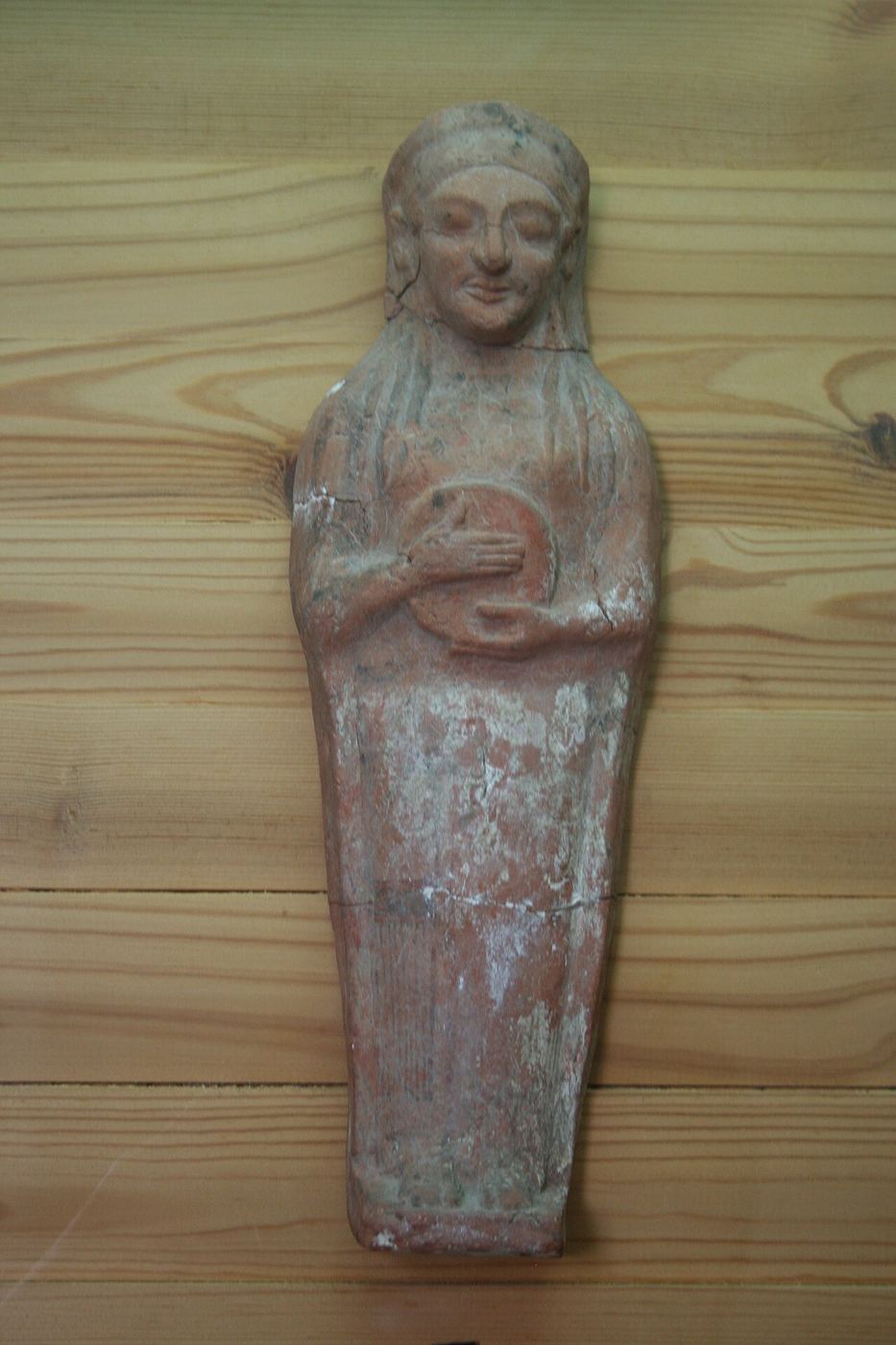
Necropolises outside the walls, shaft tombs, grave goods, tophet stelae: funerary rites are covered with religion, and tomb architecture with Punic art.