Carthage · Punic world

Beyond Carthage

From Sicily to the Atlantic, dozens of cities spoke Punic and honoured Melqart. Carthage was not alone: it was the head of a network.

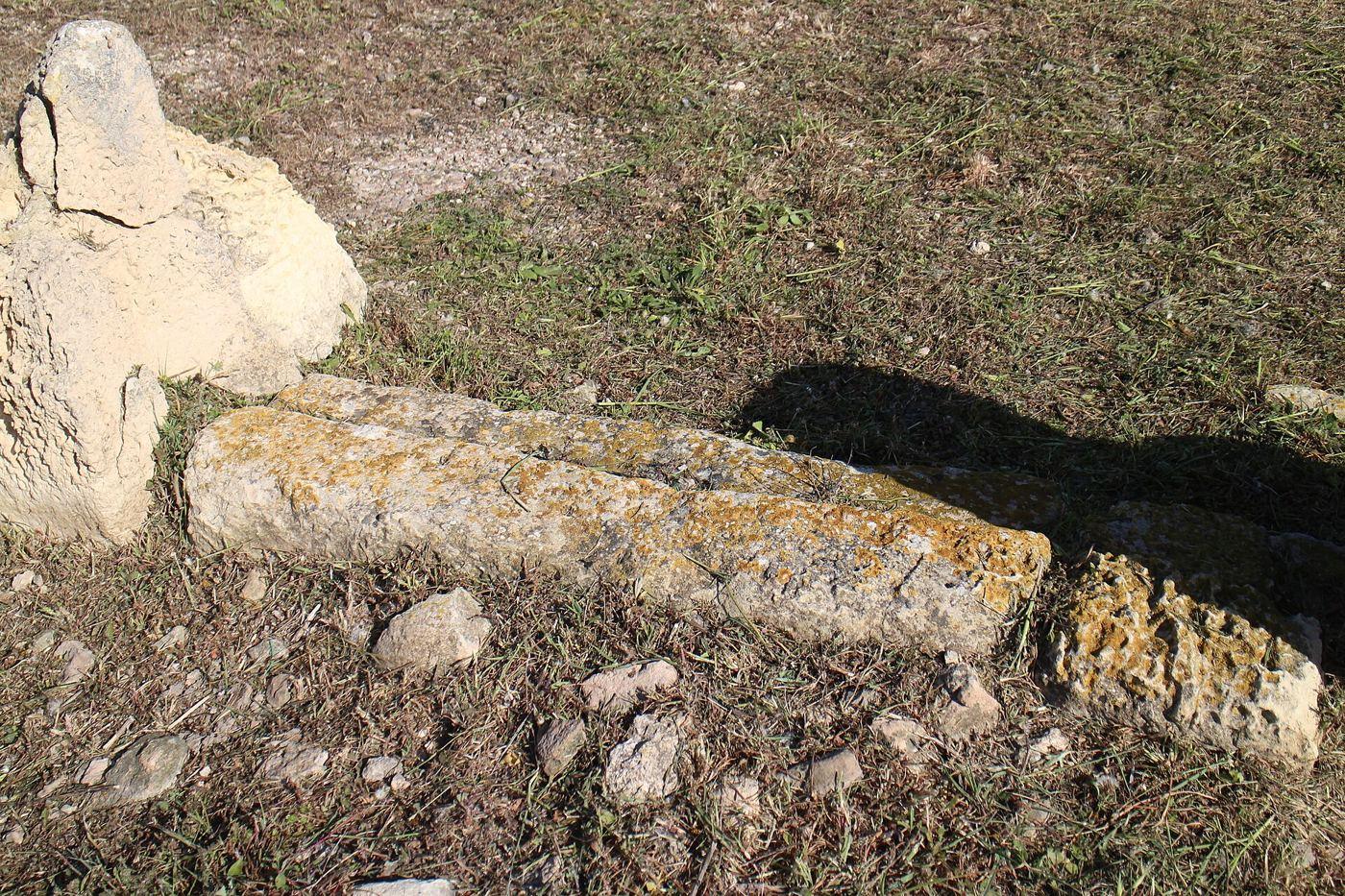
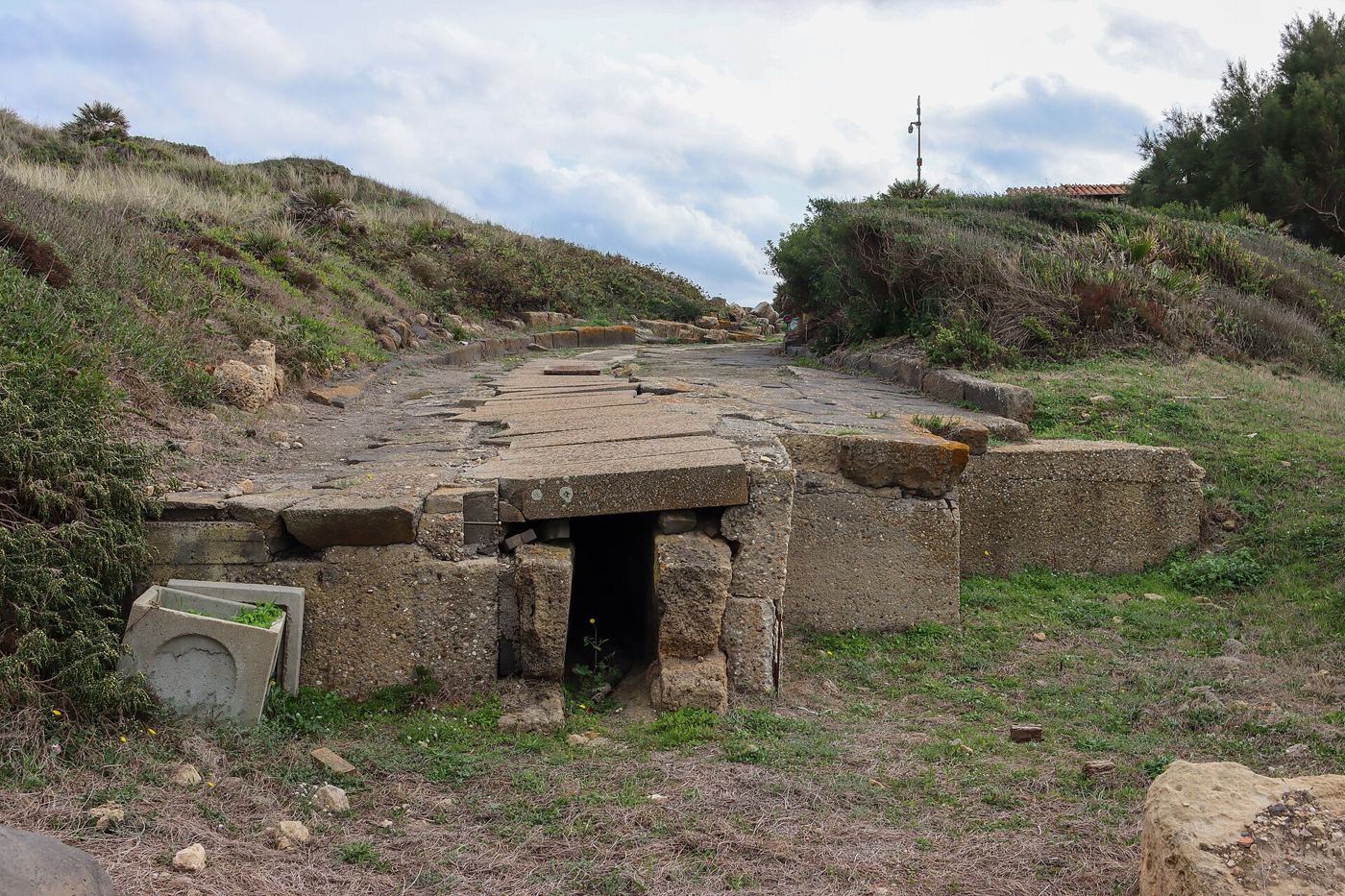
Ancient paved road in the ruins of Tharros, Sardinia
Tharros, on the Sinis peninsula (Sardinia)
23

cities and sites featured, from Sicily to Atlantic Morocco

c. 540

BC: Carthaginians and Etruscans fight the Phocaeans at Alalia (Herodotus, I, 166)

397

BC: Dionysius of Syracuse takes and destroys Motya (Diodorus, XIV)

1758

Abbé Barthélemy deciphers the Phoenician alphabet thanks to the cippi of Malta

Alliance, hegemony, confederation?

Carthage and the other Punic cities

The western Phoenician colonies are often older than Carthage. From the 6th century, as Tyre weakened, Carthage became their leader: it waged war, negotiated treaties and placed some cities under its authority.

6th c.Malchus fights in Sicily, then fails in Sardinia; the Magonids take up the conquest of the island again (Justin, XVIII, 7; XIX, 1).
c. 540At Alalia, off Corsica, the Carthaginian and Etruscan fleet holds off the Phocaeans (Herodotus, I, 166): Carthage stands as protector of the western Phoenicians.
509 · 348The treaties with Rome close Sardinia and Libya to Roman merchants. The one of 348 is made in the name of the Carthaginians, the Tyrians and the people of Utica (Polybius, III, 22-24).
215Hannibal's treaty with Philip V distinguishes Carthage, Utica, and "the cities and peoples subject to the Carthaginians" (Polybius, VII, 9): allies and subjects.
DebateSabatino Moscati saw a loose "confederation" that weakened Carthage against Rome. Other historians speak of hegemony, or even an empire, for the 4th-3rd centuries. The vocabulary is still debated.
Very different statuses

Who depended on whom?

  • Autonomous alliesUtica and Gadir, Tyrian foundations older than Carthage, kept their own magistrates and cults.
  • Carthaginian foundationsEbusus (Ibiza), Lilybaeum and Cartagena were created by Carthage itself.
  • The LibyphoeniciansDiodorus (XX, 55) gives this name to the people of the coastal towns linked to the Carthaginians by intermarriage, between Carthaginians, Libyans and Numidians.
  • Tribute and contingentsAccording to Livy (XXXIV, 62), Leptis paid Carthage a talent a day. The cities also supplied ships and soldiers.

The Greek and Latin terms ("allies", "subjects") are those of the victors; no Punic source describes this system from the inside.

The Phoenician network before Carthage →
Six regions

The cities of the Punic world

For each city: its founding, its role, and what can be seen there today. Barcid Spain (Cartagena, Saguntum) and the Tunisian sites are on the "Places" page.

23 cities shown

Sicily

When the Greeks arrived, the Phoenicians gathered in the west of the island, near their Elymian allies (Thucydides, VI, 2). Carthage then fought Syracuse for Sicily for nearly two centuries, before losing it to Rome in 241 (Polybius, I, 62-63).

Sicily8th c. – 397

Motya (Mozia)

A fortified islet in the Stagnone lagoon, linked to the shore by a causeway. The main Phoenician port of western Sicily until its destruction by Dionysius of Syracuse in 397.

Today: A museum island (Whitaker Foundation): walls, tophet, "kothon", and the Motya youth found in 1979.

The siege of 397 ↓
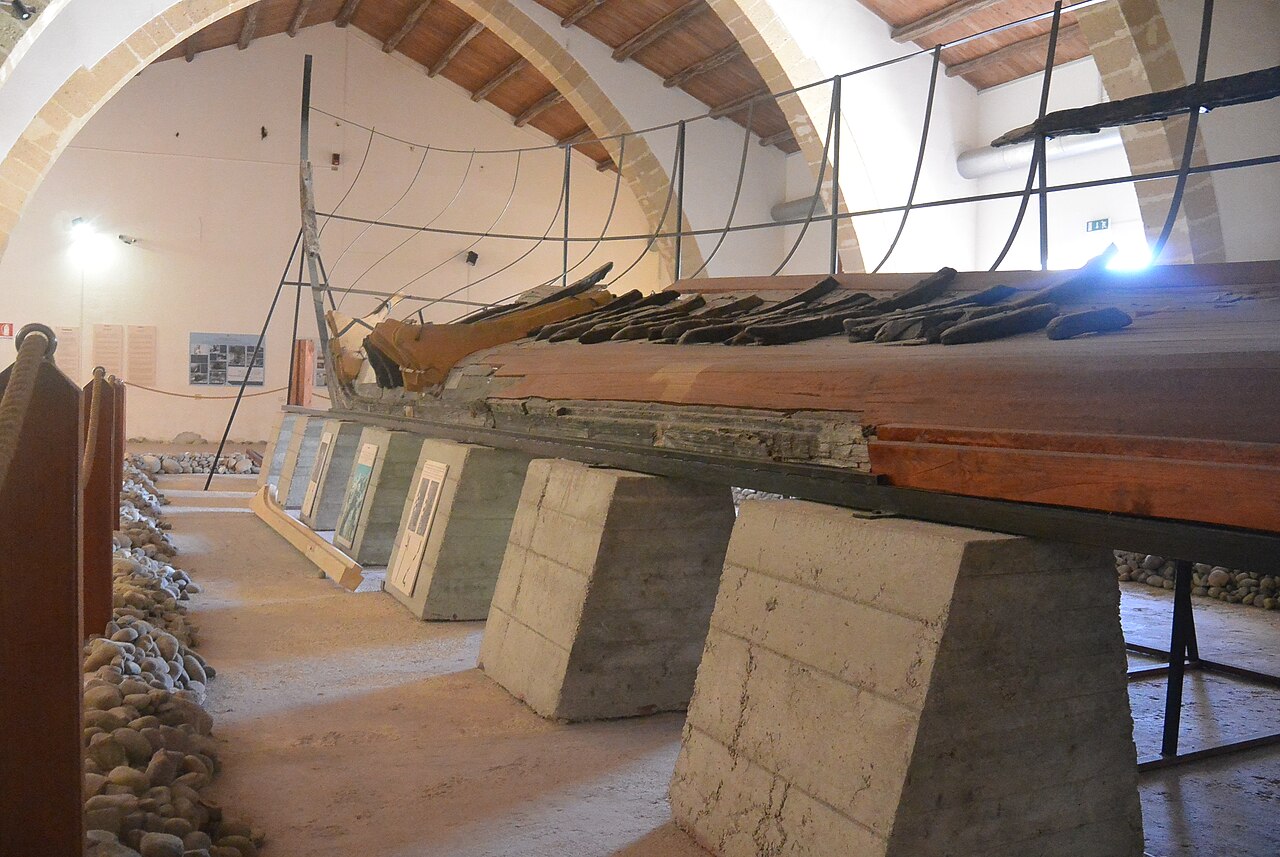
Wreck of the Punic ship of Marsala
Sicily396 – 241

Lilybaeum (Marsala)

Founded to house the survivors of Motya (Diodorus, XXII, 10). It withstood Pyrrhus in 276, then the long Roman siege from 250 to 241 (Polybius, I, 42-48).

Today: In the Baglio Anselmi museum, the wreck of a Punic warship.

See the Places page →
Sicily8th c. – 254

Panormus (Palermo)

"All-harbour" to the Greeks, Ṣyṣ on Punic coins. The base of the Carthaginian army in Sicily: Hamilcar landed here before Himera in 480 (Herodotus, VII, 165-167). The Romans took it in 254 (Polybius, I, 38).

Today: A vast Punic necropolis beneath the modern city; finds in the Antonino Salinas museum.

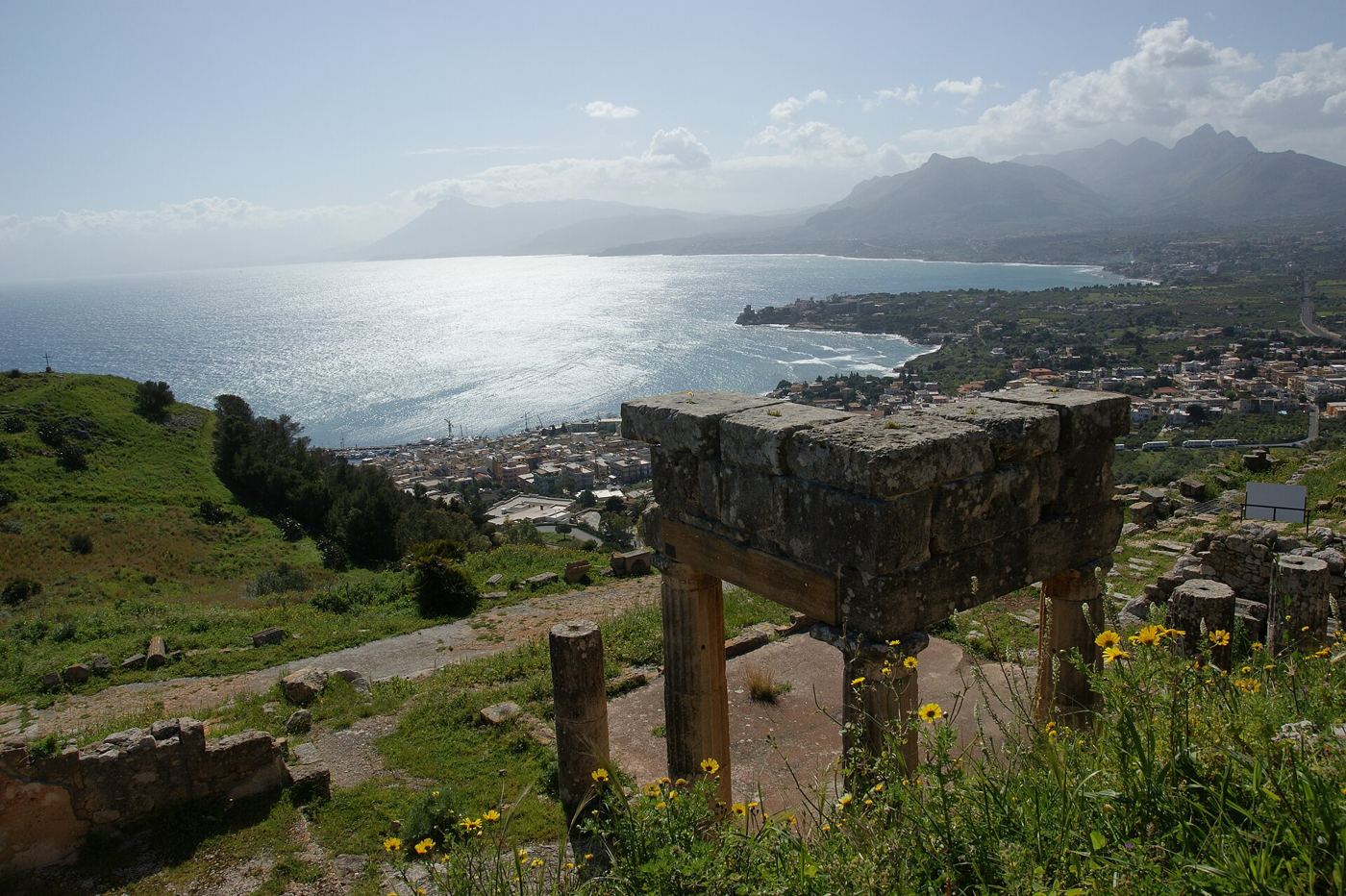
Columns and sea view from the ruins of Soluntum
Sicily8th c. · 4th c.

Soluntum (Solunto)

One of the three Phoenician cities named by Thucydides. In 397 it was among the few towns that stayed loyal to Carthage (Diodorus, XIV, 48). Rebuilt in the 4th century on Monte Catalfano.

Today: A terraced Hellenistic and Roman town above the sea, with a small antiquarium.

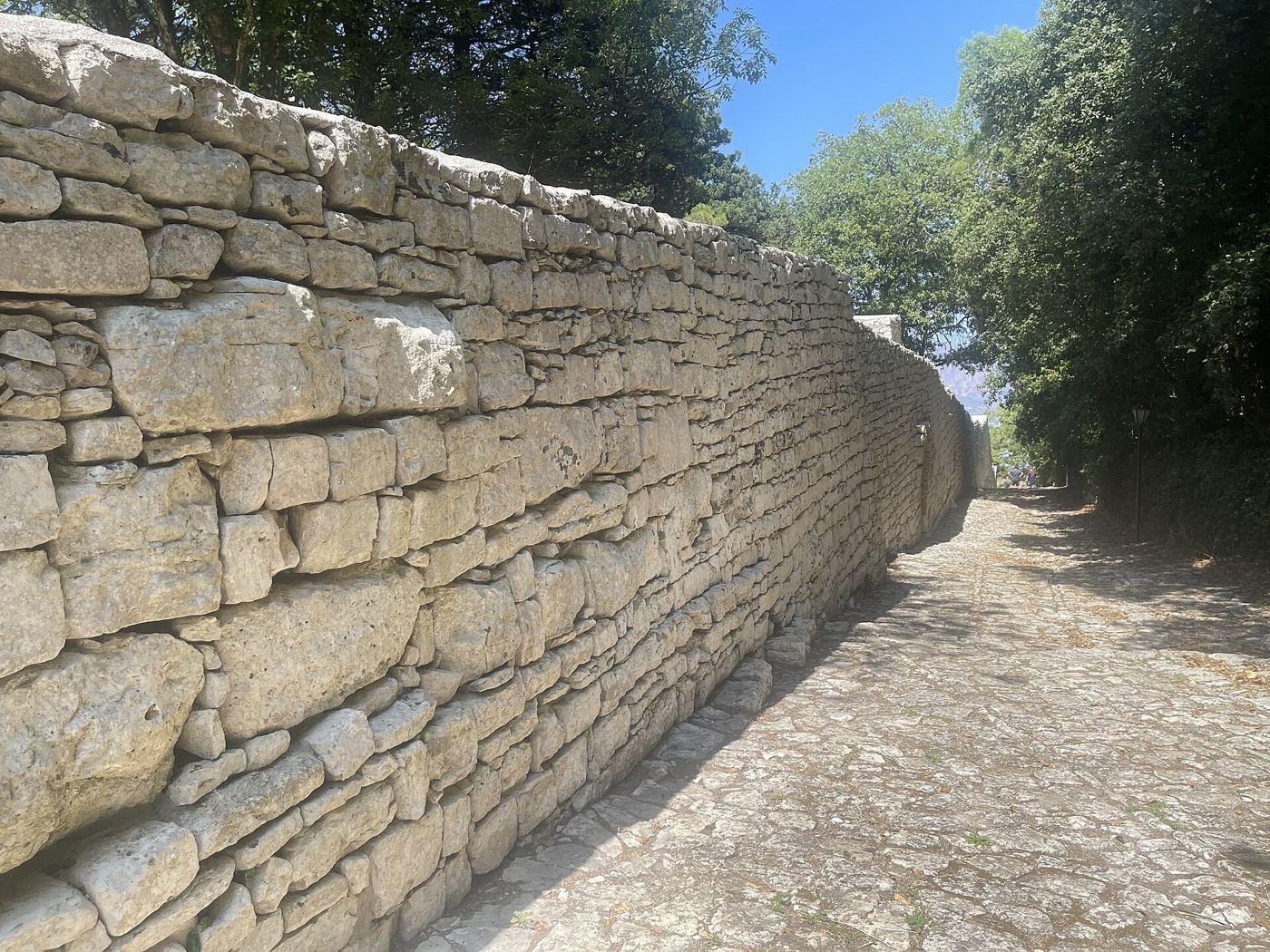
Elymian-Punic walls of Erice
SicilyElymian · Punic

Eryx (Erice)

An Elymian city with a famous sanctuary of Astarte, the Greeks' Aphrodite. Hamilcar Barca held out there against the Romans from 244 to 241 (Polybius, I, 58).

Today: The Elymian-Punic walls, some of whose blocks bear Phoenician letters carved by the masons.

Hamilcar →

Sardinia

Phoenician trading posts from the 8th century, then Carthaginian conquest in the 6th. The island supplied grain and metals; Carthage ceded it to Rome in 238/237, after the Mercenary War (Polybius, I, 88).

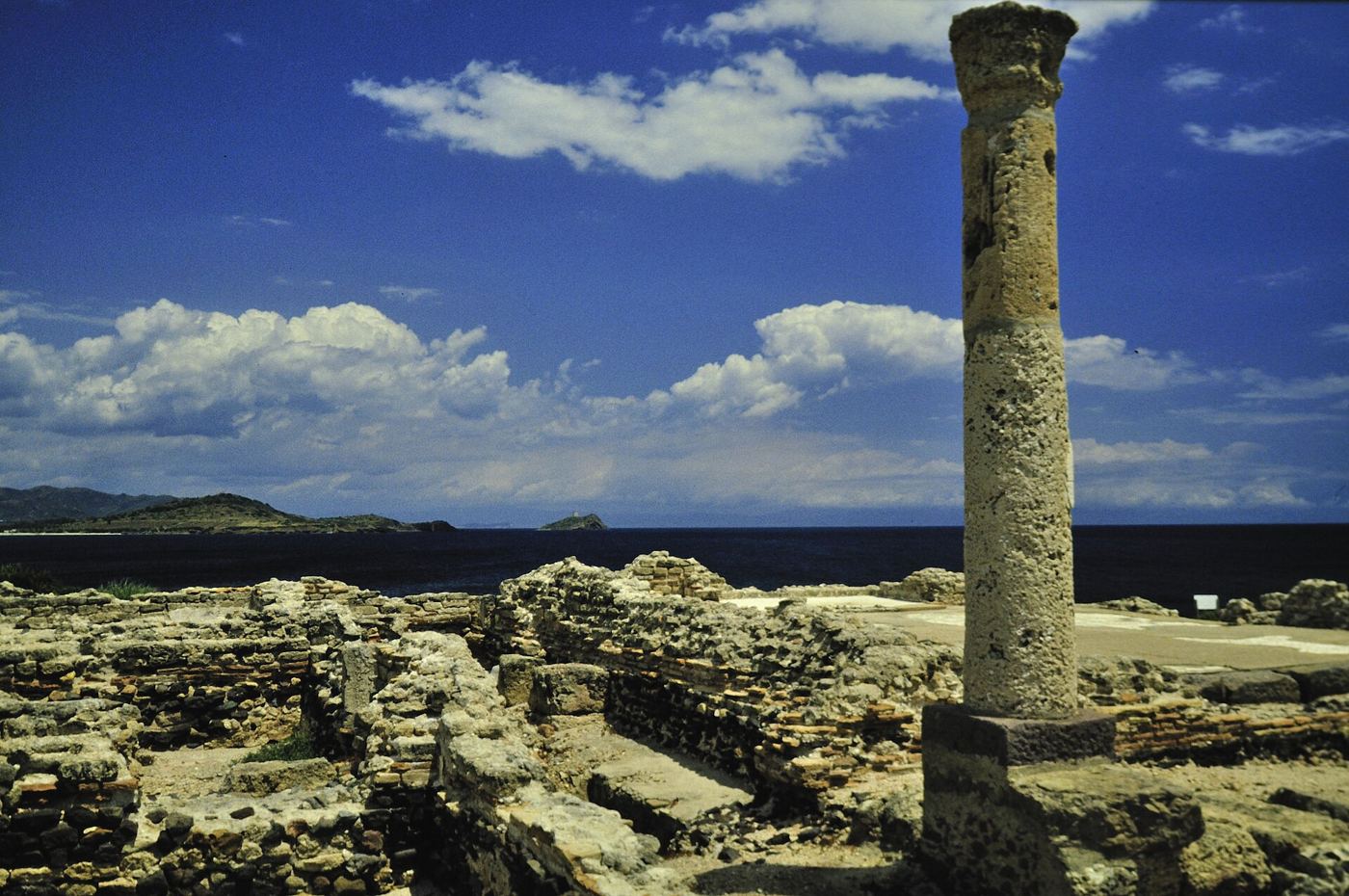
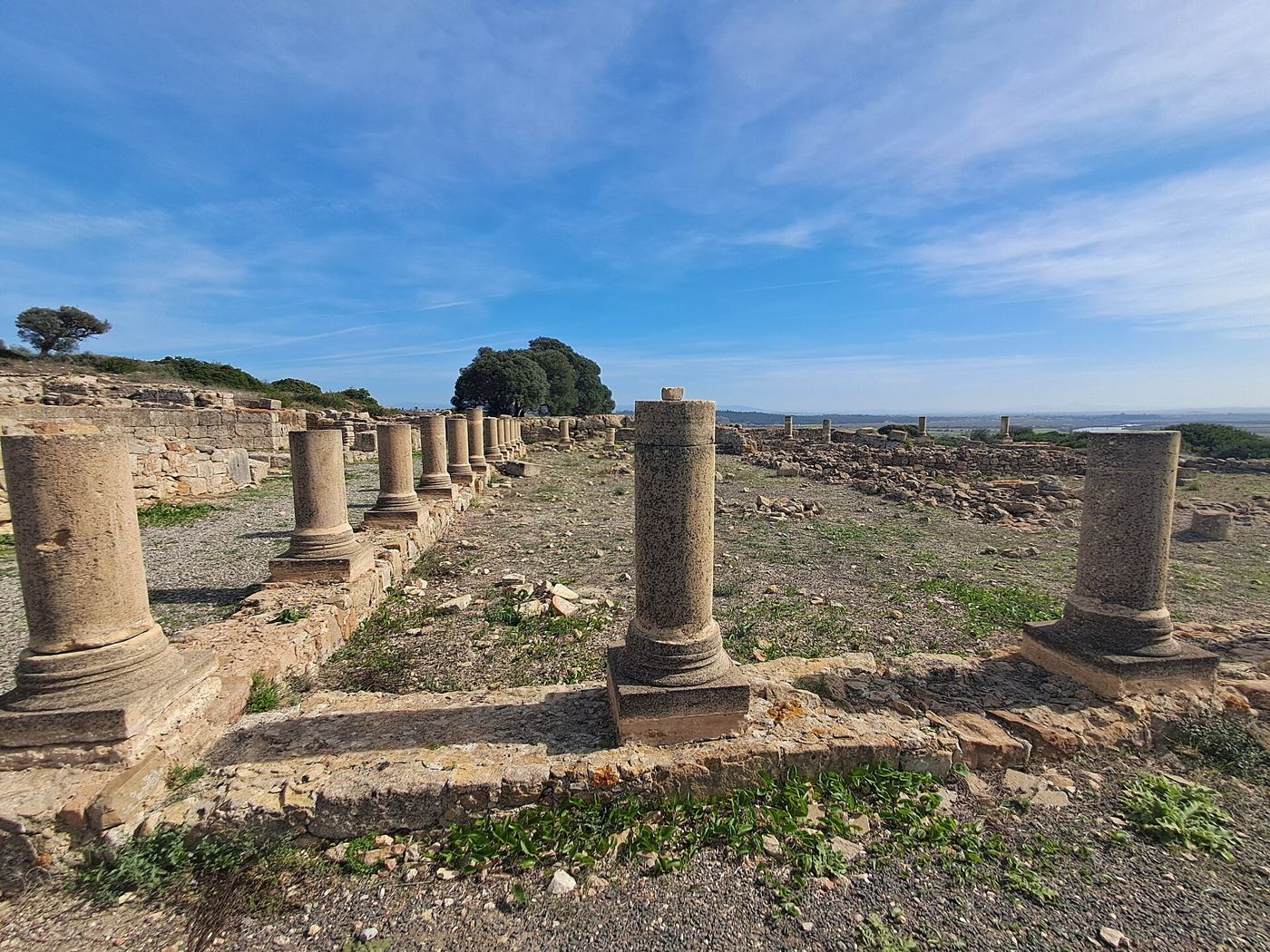
Column and ruins at the site of Nora, Pula
Sardinia9th – 8th c.

Nora

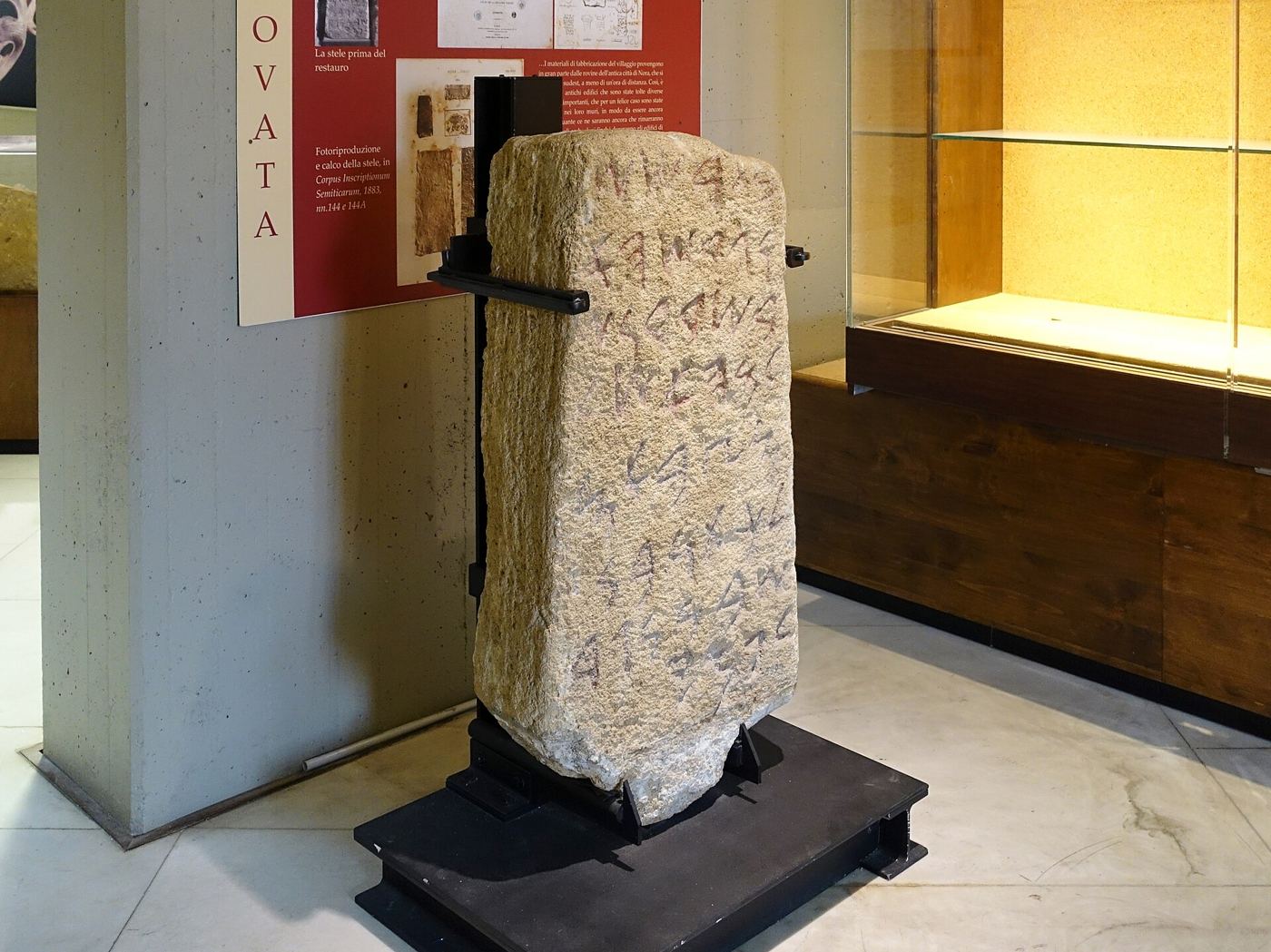
On a headland near Pula. Pausanias (X, 17, 5) considered it the oldest town on the island. The Nora Stone, found in 1773, bears the earliest known mention of Sardinia's name.

Today: A seaside archaeological park: Punic quarters beneath the Roman theatre, baths and mosaics.

The Nora Stone ↓
Ancient paved road at Tharros
Sardinia8th c.

Tharros

At the tip of the Sinis peninsula, facing the Gulf of Oristano. A major Punic city: its tophet and cemeteries have yielded gold jewellery and scarabs in large numbers.

Today: An open archaeological park, dominated by its columns; the finds are in Cagliari and Cabras.

The tophet of Sant’Antioco, Sardinia
Sardiniac. 8th c.

Sulcis (Sant’Antioco)

One of the oldest Phoenician foundations in Sardinia, on an island linked to the shore. In 258 the Carthaginian fleet was defeated in Sardinian waters (Polybius, I, 24).

Today: The tophet, chamber tombs cut into the tuff, and the Ferruccio Barreca museum.

The tophet, a debate →
Sardiniac. 750 · c. 520

Monte Sirai

A Phoenician post on a hill overlooking the hinterland of Sulcis, turned into a fortress in the Carthaginian period. DNA from its tombs has been compared with that of other Punic sites.

Today: Acropolis, houses, necropolis and tophet, near Carbonia.

Carthage and Africa →
Sardinia7th c.

Bithia

A small port on the south coast, near Chia. Known for its sanctuary of the god Bes, where hundreds of terracotta votive figurines were found.

Today: Discreet remains around the Chia tower; figurines in the Cagliari museum.

Ibiza, the Balearics and Gadir

Gadir, the oldest, remained an autonomous ally; Ebusus, founded by Carthage, stayed loyal to the end; Mallorca and Menorca, never colonised, supplied slingers.

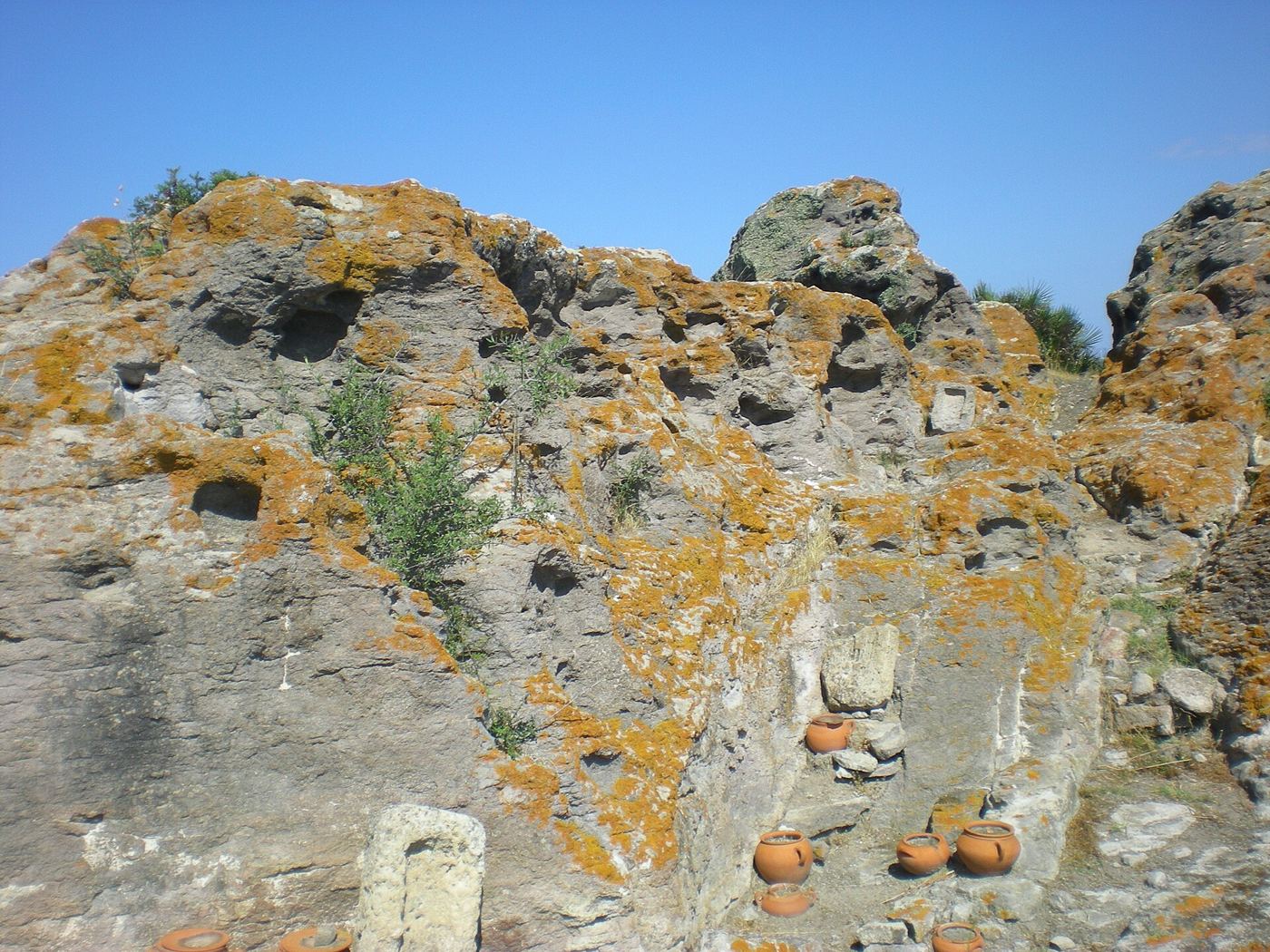
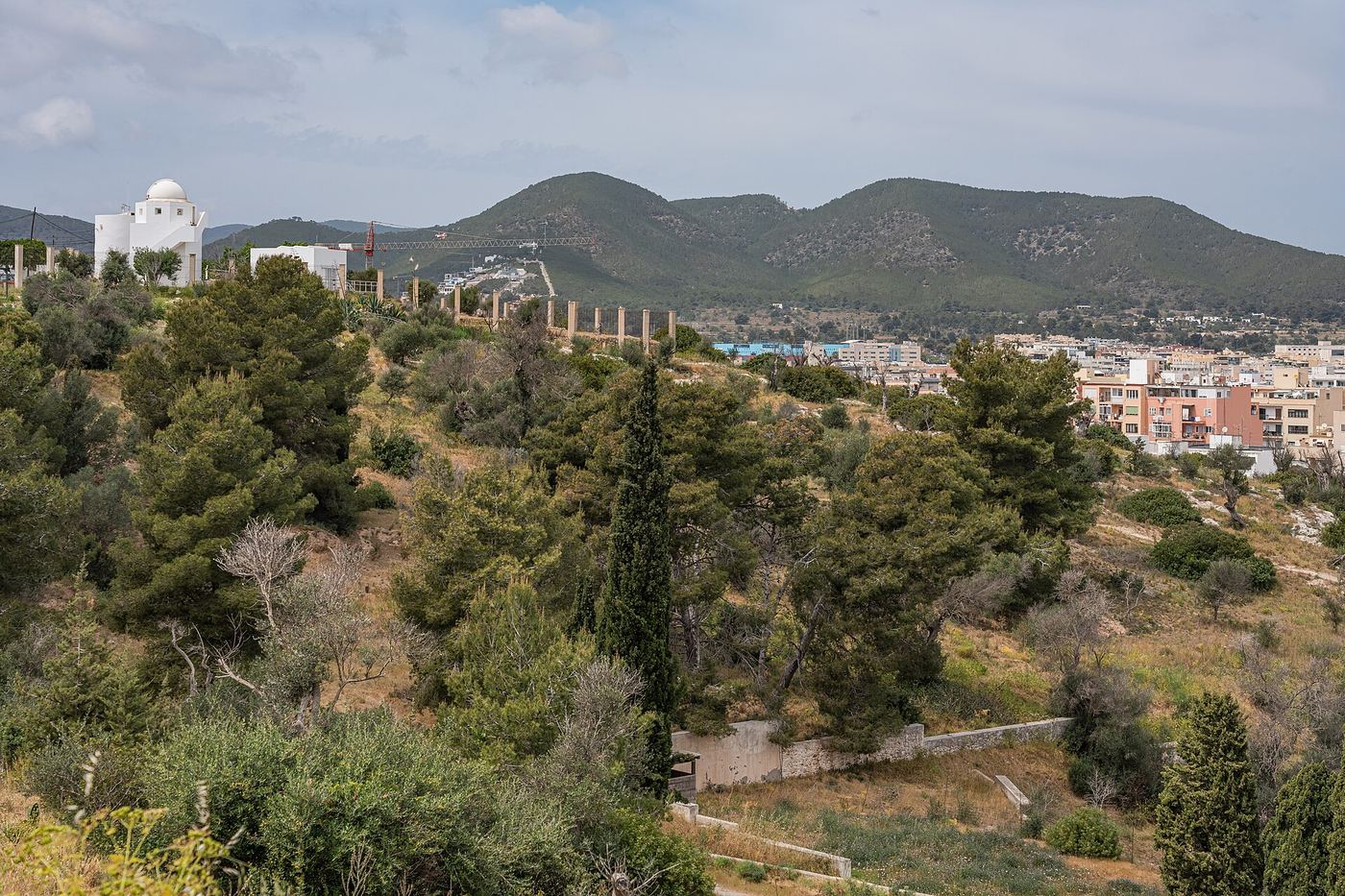
Puig des Molins necropolis, Ibiza
Iberiac. 654

Ebusus (Ibiza)

𐤀𐤉𐤁𐤔𐤌

Diodorus (V, 16) dates its founding by Carthage to 160 years after the mother city; an earlier Phoenician settlement existed at Sa Caleta. Loyal until 206, when Mago called there (Livy, XXVIII, 37).

Today: Puig des Molins and Sa Caleta, UNESCO-listed with Dalt Vila.

See the Places page →
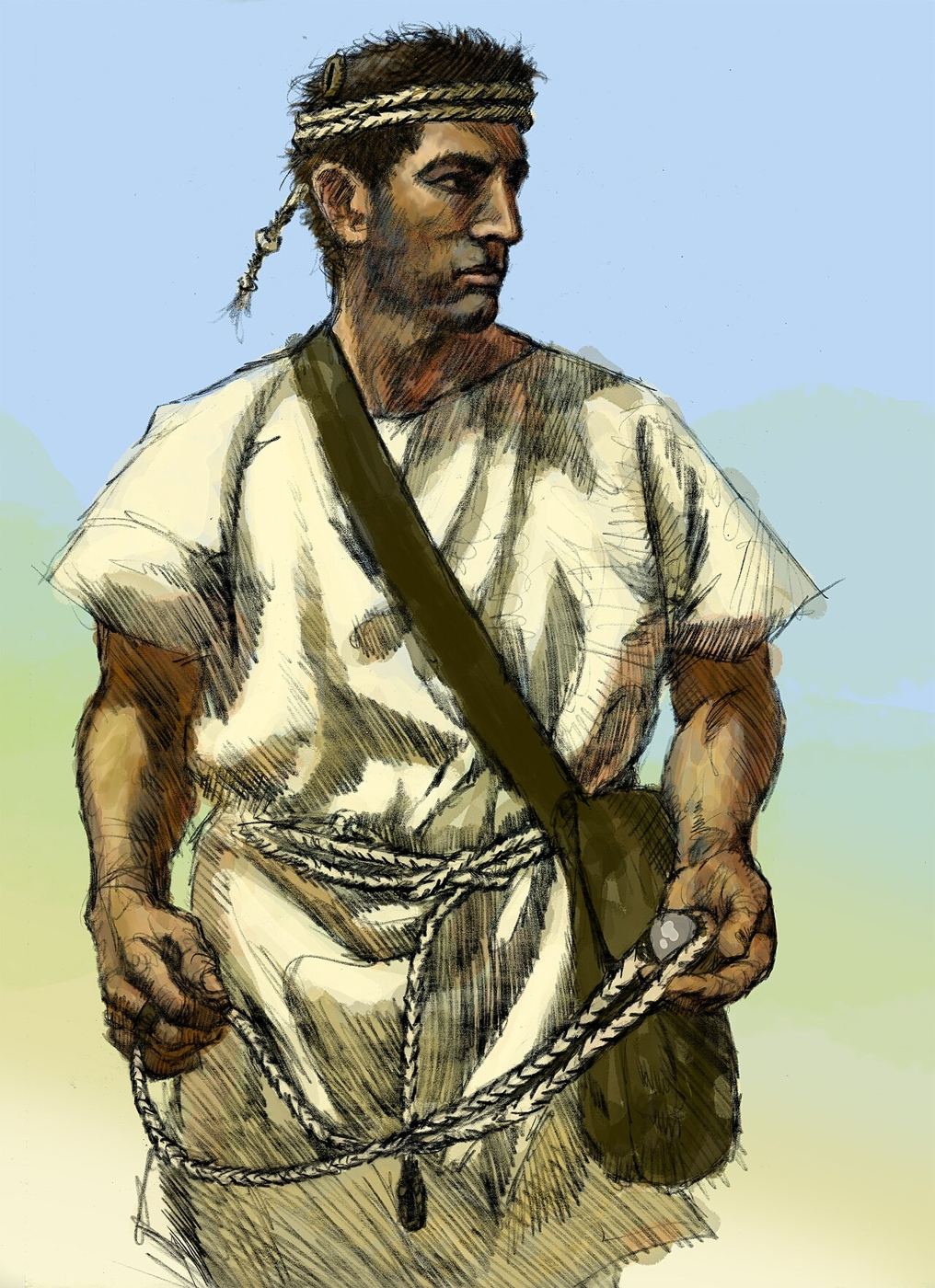
Balearic slinger
IberiaMercenaries

Mallorca and Menorca

Never colonised, these islands of the Talaiotic culture sold Carthage their slingers, famous throughout Antiquity (Diodorus, V, 17-18). Mago wintered on Menorca in 206; tradition credits him with the name of Mahón.

Today: Talaiots and prehistoric villages; the "port of Mago" etymology remains a tradition.

The army →
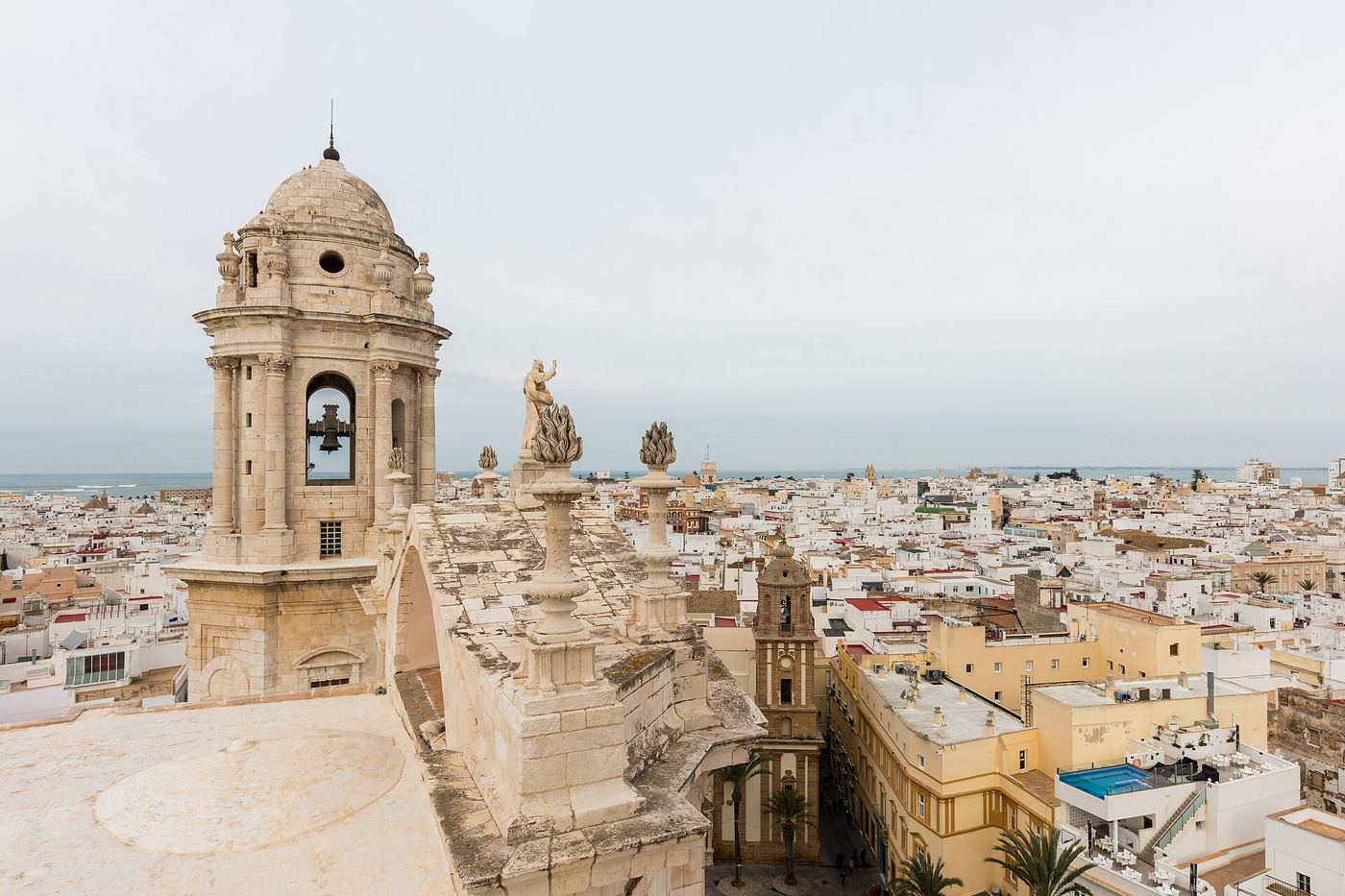
Cádiz, ancient Gadir
Iberiac. 1100 (trad.)

Gadir (Cádiz)

𐤂𐤃𐤓

A Tyrian foundation on an island, with a temple of Melqart famous throughout the ancient world. An ally of Carthage, it went over to Rome in 206 (Livy, XXVIII, 37).

Today: In the Cádiz museum, two Phoenician anthropoid sarcophagi, found in 1887 and 1980.

See the Places page →

Malta and Gozo

A port of call in the middle of the Sicilian Channel, used by the Phoenicians from the 8th century, then in the orbit of Carthage. The Romans seized it at the very start of the Second Punic War, in 218 (Livy, XXI, 51).

Malta8th c. – 218

Malta and Gozo (Melite, Gaulos)

Tombs and pottery show a Phoenician presence from the 8th century. In 218 the Carthaginian garrison of about 2,000 men surrendered to the Romans (Livy, XXI, 51).

Today: Punic tombs across the island; cippi and stelae in the National Museum of Archaeology in Valletta.

The cippi of Melqart ↓
Remains of the Tas-Silġ sanctuary, Malta
MaltaSanctuary

Tas-Silġ

On a hill above Marsaxlokk, a megalithic temple reused by the Phoenicians for Astarte, then honoured as a sanctuary of Juno in Roman times — Cicero accuses Verres of looting it (Against Verres, II, 4, 103).

Today: A site excavated by Italian missions from 1963 onwards; limited access.

Libya: Tripolitania

The "Emporia" of the Lesser Syrtis: three ports — hence the name Tripolitania — at the end of the Saharan tracks. Here Carthage held a frontier against the Greeks of Cyrene.

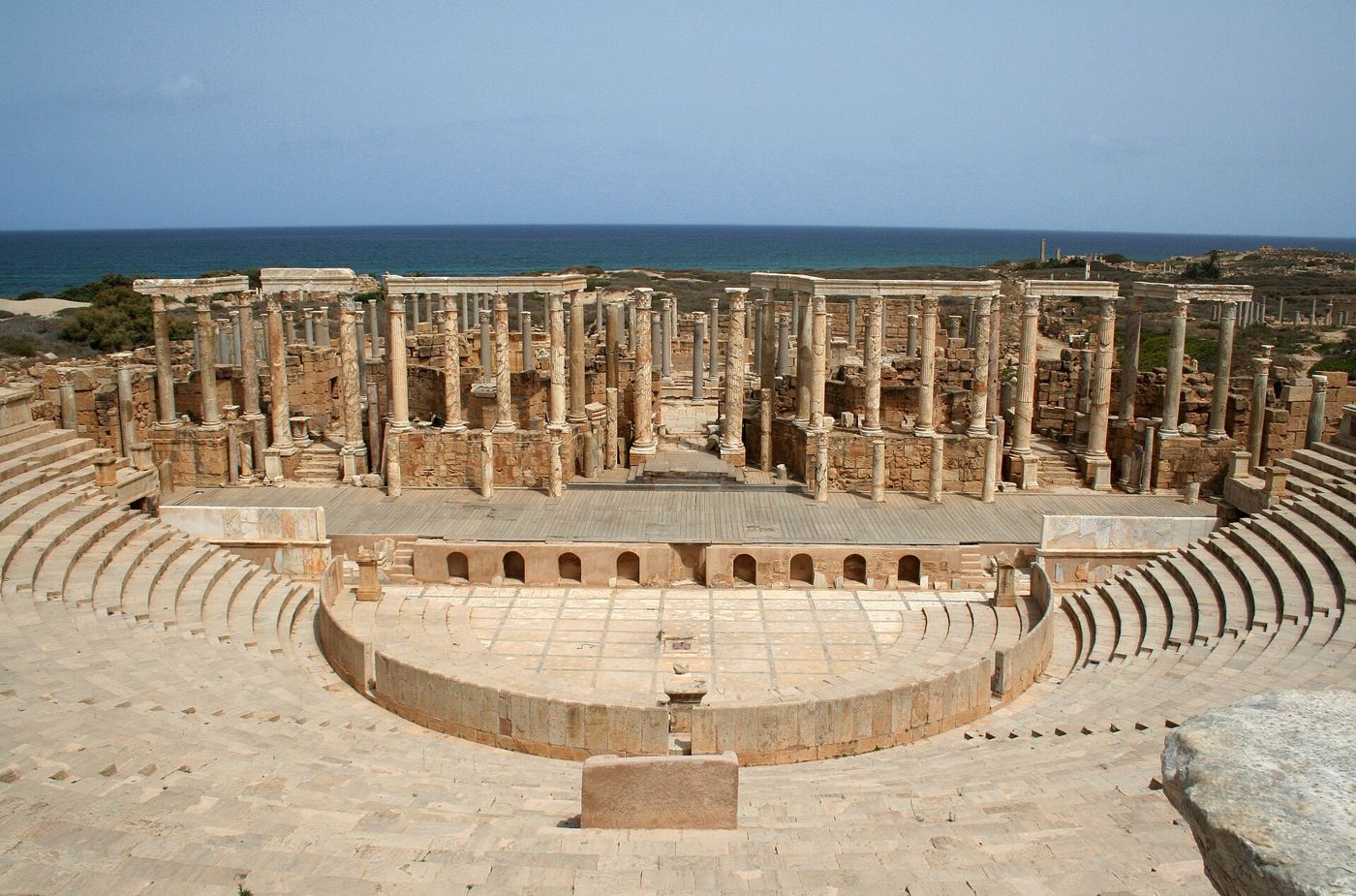
The Roman theatre of Leptis Magna
TripolitaniaPunic · Sidon

Leptis Magna

𐤋𐤐𐤒𐤉

According to Sallust (Jugurtha, 78), founded by exiles from Sidon. The richest port of the Emporia, contested by Masinissa with Carthage. Punic remained an official language under Rome: the theatre bears a bilingual dedication by Annobal Tapapius Rufus (AD 1-2).

Today: One of the best-preserved Roman cities in the Mediterranean, birthplace of Septimius Severus (UNESCO).

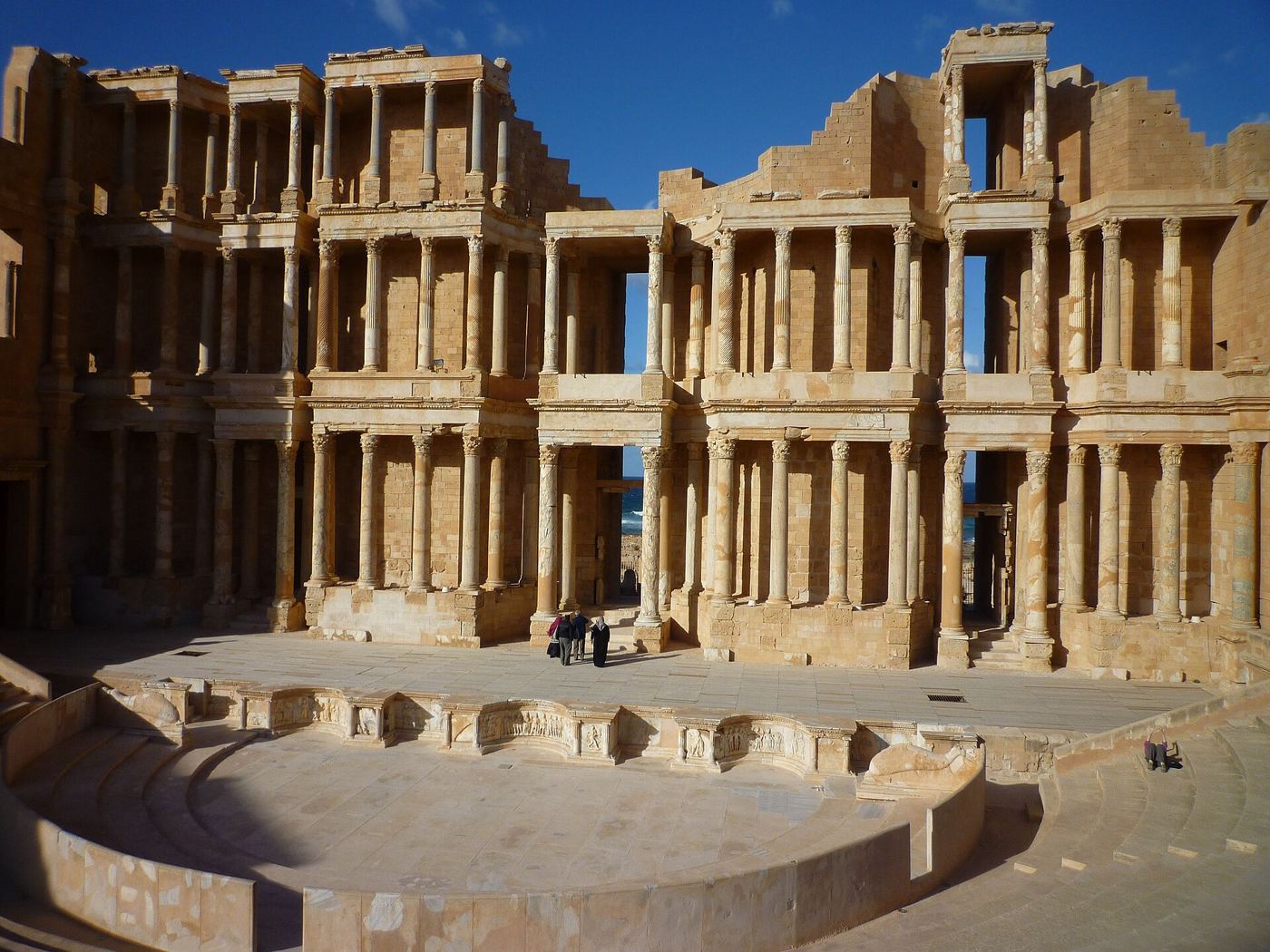
The stage wall of the theatre of Sabratha
Tripolitania5th – 4th c.

Sabratha

𐤑𐤁𐤓𐤕𐤍

First a seasonal port of call, then a Punic town. Its multi-storey "Mausoleum B", Hellenistic in style (2nd c. BC), is a masterpiece of Punic architecture.

Today: The Roman theatre with three tiers of columns and the restored Punic mausoleum (UNESCO).

TripolitaniaPunic

Oea (Tripoli)

The third city of the Emporia, Wyʿt on its Punic coins. It later inherited the name of the region, Tripolis, "the three cities" — hence Tripoli.

Today: Few visible remains beneath the medina, apart from the Arch of Marcus Aurelius (2nd c. AD).

The coasts of Algeria and Morocco

A string of ports of call as far as the Atlantic. Many later became residences of the Numidian and Mauretanian kings, who kept the Punic language and cults.

MaghrebPunic · Numidian

Hippo Regius (Annaba)

A Punic trading post, called "royal" as a residence of the Numidian kings. Augustine was its bishop and died there in 430; he reports that Punic was still spoken in the countryside.

Today: The site of Hippo: forum, baths, Christian quarter and museum.

Maghreb4th – 3rd c.

Icosium (Algiers)

The Punic name begins with ʾy ("island"), probably after the islets of the harbour. The Greeks heard the number twenty (eikosi) in it and invented twenty companions of Hercules (Solinus): a fanciful etymology.

Today: Ancient levels uncovered in the excavations of Place des Martyrs, in the lower Casbah.

MaghrebPunic · 25 BC

Iol / Caesarea (Cherchell)

A Punic port, then the capital of Juba II and Cleopatra Selene, renamed Caesarea around 25 BC. The royal couple kept a learned court there.

Today: The Cherchell museum and its statues; ancient baths, amphitheatre and harbour.

Ruins of Lixus, Morocco
MaghrebPliny: very ancient

Lixus (Larache)

𐤋𐤊𐤔

On a hill above the Loukkos estuary. Pliny (XIX, 63) places here a sanctuary of Hercules-Melqart older than that of Gades; legend set the Garden of the Hesperides here.

Today: Acropolis, temples and large fish-salting works of the Roman period.

The founding →
Maghreb7th c.

Mogador (Essaouira)

The southernmost known Phoenician port of call on the Atlantic: amphorae and graffiti of the 7th century. Later, Juba II produced purple dye there (Pliny, VI, 201). Some see it as Hanno's Cerne — a debated hypothesis.

Today: The island, facing the town, is a nature reserve closed to the public.

Hanno's voyage →
Sicily · 398-396 BC

Motya, the city wiped out by Dionysius

8th c.Phoenicians settle on the islet of San Pantaleo, in a shallow lagoon, linked to the land by a causeway.
398Dionysius the Elder of Syracuse marches on the city. The inhabitants cut the causeway (Diodorus, XIV, 47-48).
397The Syracusans fill in the lagoon and bring up six-storey siege towers and catapults, a new weapon developed at Syracuse (XIV, 42; 50-51). Himilco fails to relieve the town. It is taken street by street and its people massacred or sold (XIV, 53).
396Himilco retakes the island, but the Carthaginians resettle the survivors on the nearby coast, at Lilybaeum (XIV, 55; XXII, 10).
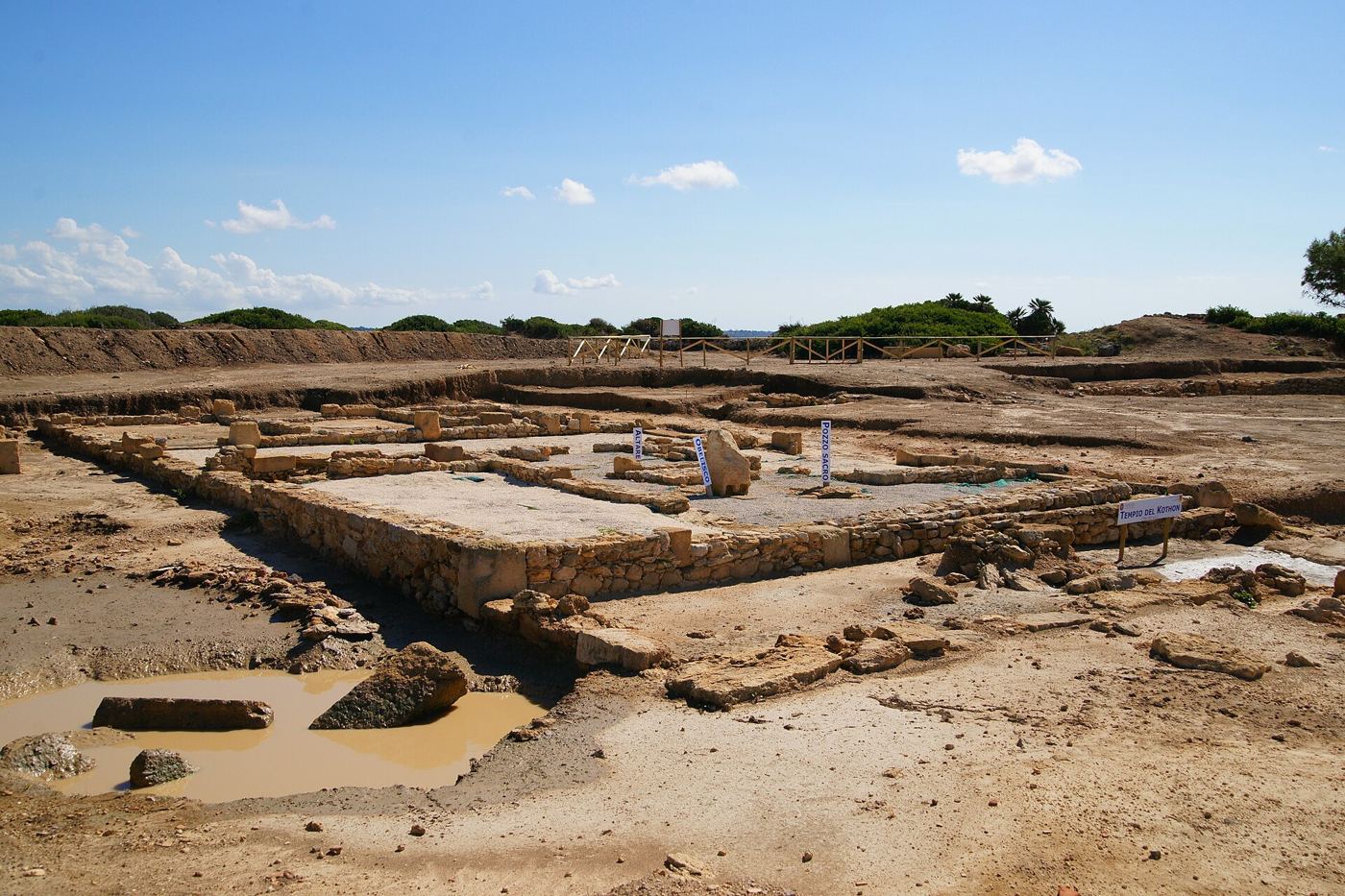
20th c.Joseph Whitaker, a Marsala wine merchant, buys the island and carries out the first excavations; research by La Sapienza University (L. Nigro) sees the "kothon" as a sacred pool rather than a harbour.

Main source: Diodorus of Sicily, Library of History, book XIV.

The "kothon" basin of Motya, Sicily
The "kothon" of Motya and the neighbouring temple
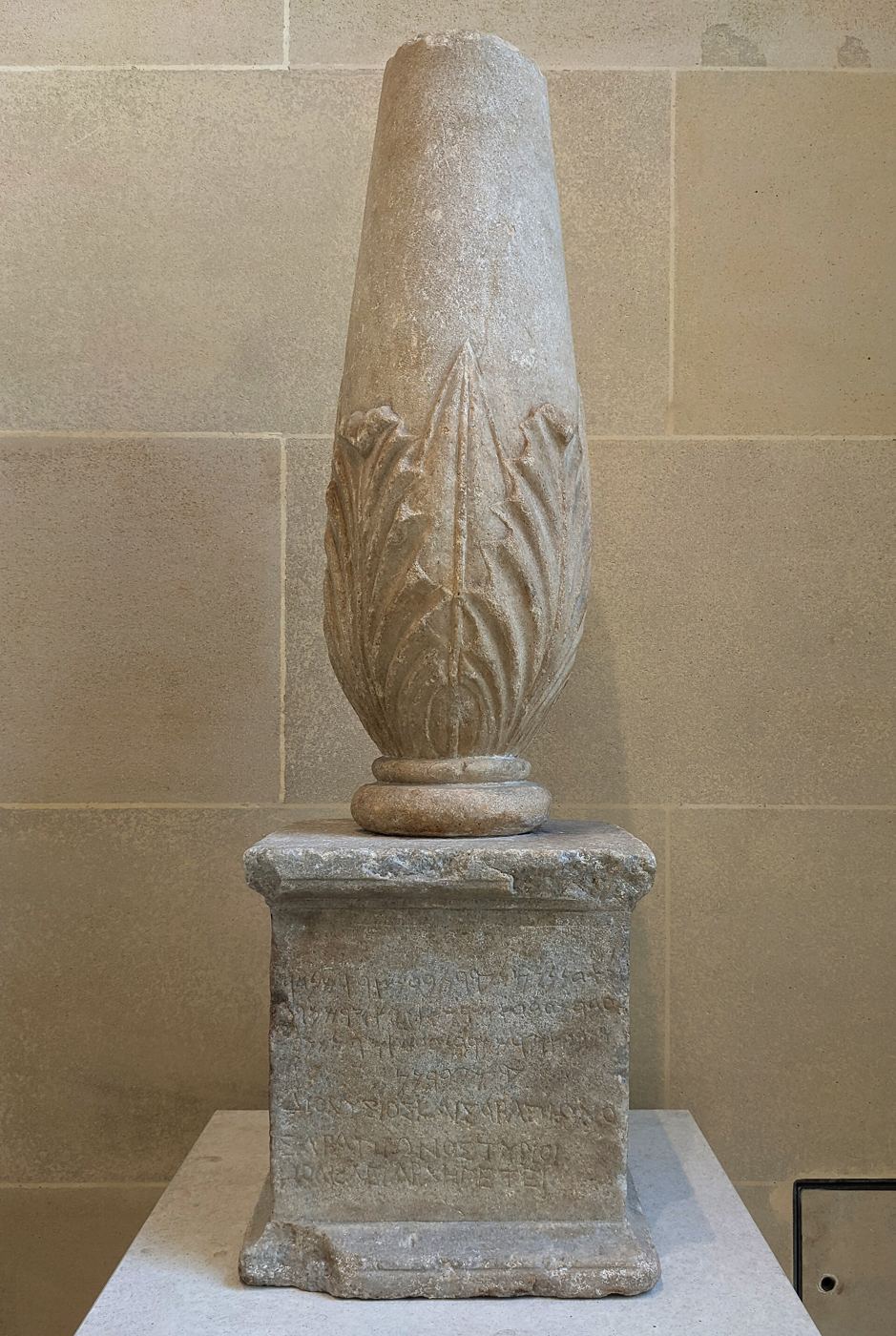
Cippus of Melqart, marble with bilingual inscription, Louvre Museum
Cippus of Melqart (Malta), Louvre
Malta · Sardinia

The stones that made the Phoenicians speak

Two marble cippi, found near Marsaxlokk in the late 17th century, bear the same dedication in Phoenician and Greek: two brothers, Abdosir and Osirshamar, thank "Melqart, lord of Tyre" (2nd c. BC).

In 1758, Abbé Jean-Jacques Barthélemy used the proper names in the Greek text to identify the Phoenician letters: the alphabet was deciphered. One cippus, given to Louis XVI by the Grand Master of the Order of Malta, is in the Louvre; the other is in Valletta.

The Nora Stone, found in Sardinia in 1773, is one of the oldest Phoenician inscriptions in the West (9th-8th c.); it bears the name ŠRDN, Sardinia.

"To our lord, to Melqart, lord of Tyre" — opening of the cippi dedication.
Language and writing →
The Nora Stone in the archaeological museum of Cagliari
Nora Stone, Cagliari museum
814 – 146 BC

The Punic world and its routes

Open the animated map →
814 BC
Loading base map…

Approximate borders based on historical syntheses (spheres of influence, not modern borders). Base map: Natural Earth. Ancient sites: customary locations.

Further reading

Sources for this page

14 references

Ancient sources

  1. Herodotus, HistoriesI, 166; VII, 165–167
  2. Thucydides, History of the Peloponnesian WarVI, 2
  3. Polybius, HistoriesI, 24; 38; 42–48; 58; 62–63; 88; III, 22–24; VII, 9
  4. Diodorus Siculus, Library of HistoryV, 16–18; XIV, 42; 47–48; 50–55; XX, 55; XXII, 10
  5. Livy, History of RomeXXI, 51; XXVIII, 37; XXXIV, 62
  6. Justin, Epitome of the Philippic History of Pompeius TrogusXVIII, 7; XIX, 1
  7. Sallust, The Jugurthine War78
  8. Pliny the Elder, Natural HistoryVI, 201; XIX, 63
  9. Pausanias, Description of GreeceX, 17, 5
  10. Cicero, Against VerresII, 4, 103

Modern scholarship

  1. Sabatino Moscati, L'épopée des Phéniciens, Fayard, 1971 — the Punic "confederation" thesis
  2. Serge Lancel, Carthage, Fayard, 1992
  3. M'hamed Hassine Fantar, Carthage, approche d'une civilisation, Alif, 1993
  4. Lorenzo Nigro — excavations at Motya (La Sapienza University), cited on this page

Full bibliography →Glossary →