Seven centuries of history
From the Phoenician foundation to the Roman capture: the key dates of Carthage, era by era.
Major periods
Archaic period
Foundation and growth of the city. Carthage evolves from a simple Phoenician trading post into the dominant metropolis of the western Mediterranean, at the head of a vast network of colonies and trading posts.
Golden age
The peak of Carthaginian power: naval dominance, wars against the Greeks of Sicily, scientific agriculture and continental-scale trade.
Punic Wars
The titanic clash with Rome for mastery of the Mediterranean, marked by Hannibal Barca's epic campaigns in Italy.
Capture & continuity
After Zama, Carthage enjoys a remarkable economic revival. In 146, Rome takes the city by force; but Punic culture, language and people outlive it.
Key dates
All biographies →Foundation & expansion
From a colony of Tyre to the leading naval power of the western Mediterranean.
- 814BC
Foundation of Carthage
Phoenician princess Dido (Elissa), fleeing Tyre after her husband Sychaeus was murdered by her brother Pygmalion, founds Carthage — Qart Hadasht, "New City" — on the coast of present-day Tunisia. The hill of Byrsa becomes the heart of the city. The date comes from the Greek historian Timaeus; the oldest excavated remains go back to the second half of the 8th century BC.
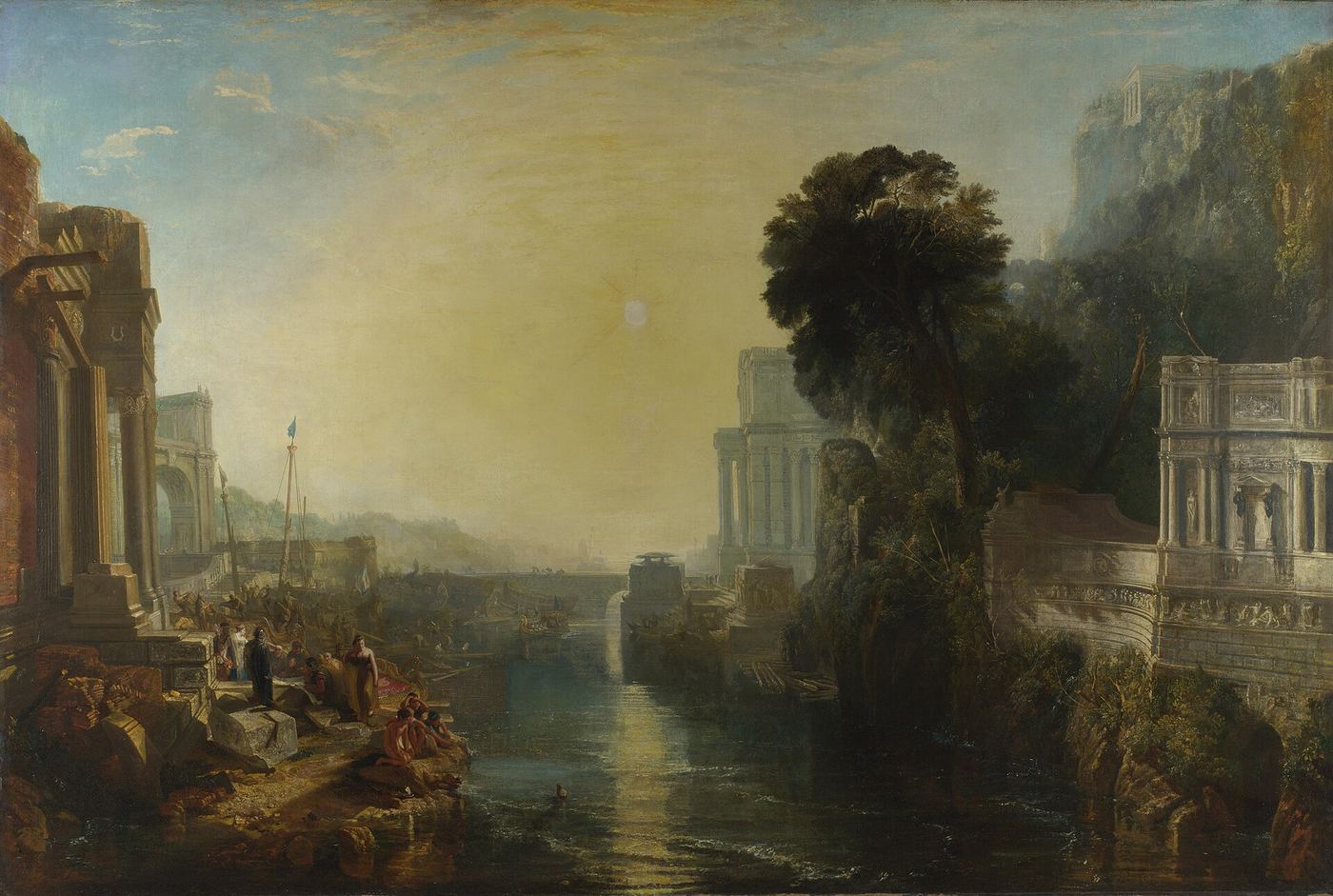 Foundation
 - 7th c.BC
Mediterranean expansion
Carthage establishes trading posts in Sardinia, western Sicily, the Balearics — Ibiza (Ebusus) is founded around 654 according to Diodorus — and along the North African coast. It becomes the leading Phoenician power in the western Mediterranean.
Expansion - 535BC
Battle of Alalia
Allied with the Etruscans, the Carthaginians fight the Phocaean Greeks off Corsica. According to Herodotus, the Phocaeans win but lose 40 of their 60 ships and abandon the island: a strategic victory for Carthage, which checks Greek expansion in the western Mediterranean.
Battle - 509BC
First treaty with Rome
Recorded by Polybius, this treaty of trade and non-aggression sets out spheres of influence: Roman ships may not sail beyond the "Fair Promontory" near Carthage. The young Republic recognises Punic maritime supremacy.
Diplomacy - 480BC
Battle of Himera
In Sicily, Hamilcar the Magonid is defeated by Gelon of Syracuse and Theron of Akragas. The setback halts Carthaginian expansion on the island for decades and triggers political reforms in Carthage.
Battle - 5th c.BC
The voyages of Hanno and Himilco
Hanno sails down the Atlantic coast of Africa with a fleet of colonists; Himilco explores the Atlantic coasts of Europe. Hanno's account, translated into Greek, has come down to us.
Exploration - 5th c.BC
Carthage turns towards Africa
According to Justin, Carthage had paid the Africans a yearly rent for the ground of the city since its foundation; under the Magonids it stops paying and subdues its hinterland. This has been seen as a consequence of Himera; some historians prefer to speak of a gradual expansion.
Africa - 409–405BC
Return to Sicily
Hannibal, Hamilcar's grandson, destroys Selinus and Himera (409). He dies of plague before Akragas, which his successor Himilco takes (406). The peace made with Dionysius of Syracuse (405) is no more than a truce.
War - 398–396BC
Dionysius of Syracuse against Carthage
Dionysius takes Motya, the Punic stronghold of western Sicily. The Carthaginian counter-attack leads to the siege of Syracuse, lifted in 396 because of an epidemic. War resumes on and off for sixty years.
War - 348BC
Second treaty with Rome
Reported by Polybius (III, 24), it extends the zone closed to the Romans as far as Mastia in Spain, and shuts Sardinia and Libya to them.
Diplomacy - 310BC
Agathocles invades Africa
The tyrant of Syracuse lands on Cape Bon and directly threatens Carthage. He is eventually driven out (307), but the invasion exposes the vulnerability of the city's African territory.
War - 306BC
The “Philinus treaty”
According to the historian Philinus of Akragas, Rome and Carthage barred themselves from Sicily and Italy respectively. Polybius disputes that this treaty existed; Livy records a renewal of the alliance that year. The question is still debated.
Diplomacy - 279BC
Alliance against Pyrrhus
Rome and Carthage agree to help each other against Pyrrhus, king of Epirus (Polybius, III, 25). It is their last treaty before the war.
Diplomacy - 278–276BC
Pyrrhus in Sicily
Called in by the Sicilian Greeks, Pyrrhus seizes almost the whole Punic west but fails before Lilybaeum and leaves the island. According to Plutarch, he already saw it as the future battlefield of Rome and Carthage.
War
Punic Wars
Sixty years of war against Rome, from Sicily to Zama by way of Hannibal's Italy.
- 264–241BC
First Punic War
The first great conflict between Rome and Carthage, fought over Sicily. After 23 years of naval and land warfare, ending with defeat at the Aegates Islands (241), Carthage loses Sicily; Rome becomes a maritime power.
Punic War - 241–238BC
Mercenary War
Unpaid mercenaries revolt and draw part of the Libyans with them. Hamilcar Barca crushes them after an atrocious war that establishes the power of the Barcid family. Rome exploits the crisis to seize Sardinia and Corsica.
Civil war - 237–228BC
Hamilcar's conquest of Spain
To make up for the losses, Hamilcar Barca sets out to subdue the silver-rich Iberian Peninsula and founds Akra Leuke. His son Hannibal, aged 9, goes with him after swearing at the altar never to be a friend of Rome.
Conquest - 221BC
Hannibal takes command
After the assassination of Hasdrubal the Fair — Hamilcar's son-in-law and founder of Carthago Nova — the army in Spain acclaims Hannibal Barca, aged 26, as commander-in-chief.
Command - 219BC
Siege of Saguntum
After eight months, Hannibal takes Saguntum, an Iberian city allied with Rome. The affair triggers the Second Punic War, the greatest conflict of antiquity.
Punic War - 218BC
Crossing the Alps
Hannibal leaves Spain with about 50,000 infantry, 9,000 cavalry and 37 elephants, crosses the Pyrenees and southern Gaul, then the Alps in 15 days. According to Polybius, he reaches Italy with only 20,000 infantry and 6,000 cavalry.
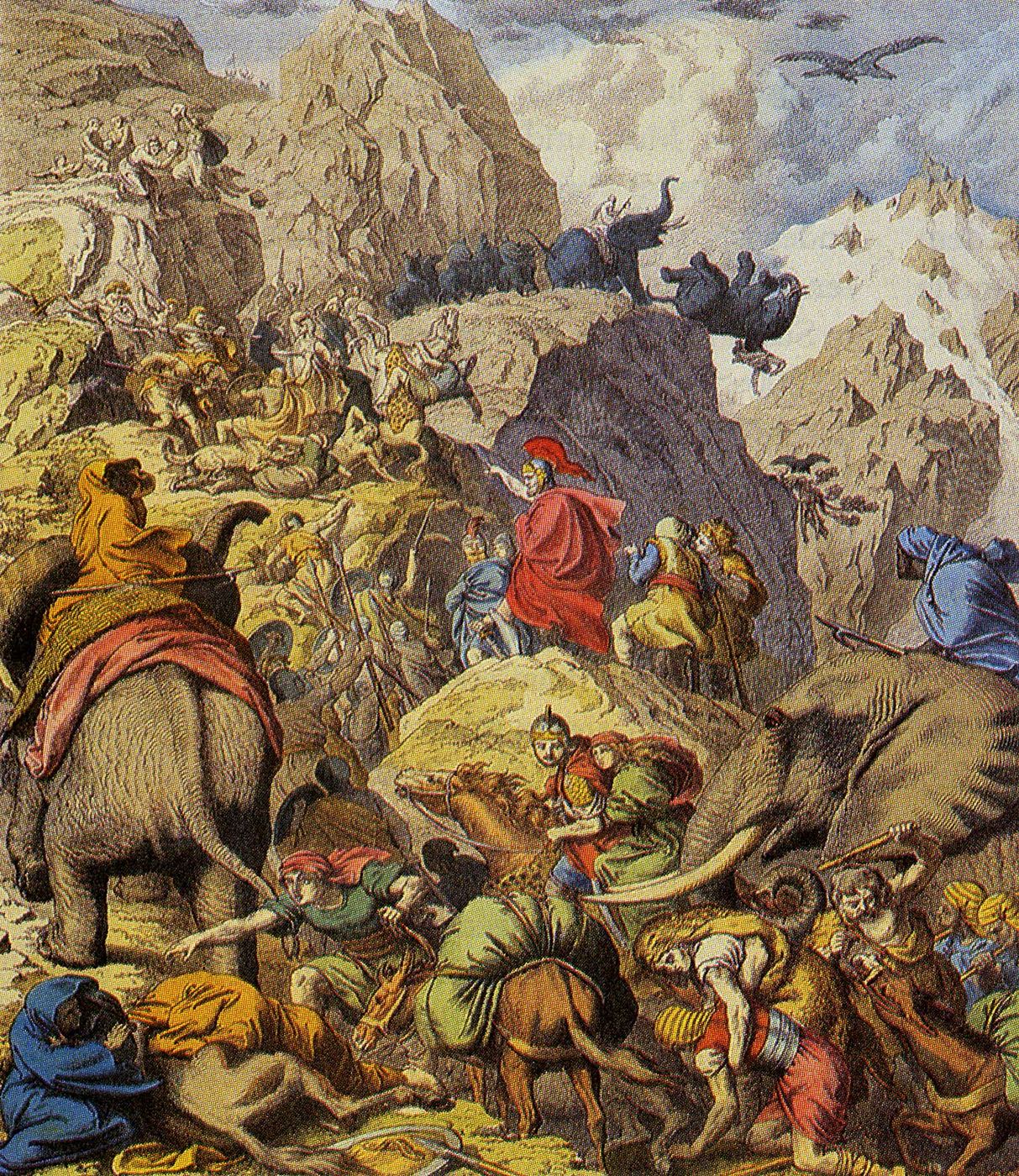 Military feat
 - 218BC
Ticinus and Trebia
First victories in Italy. At the Ticinus, Hannibal's cavalry defeats that of the consul Scipio. At the Trebia, an ambush laid by Mago, Hannibal's brother, takes the army of Sempronius Longus from behind.
Victory - 217BC
Lake Trasimene
One of the greatest ambushes in military history: Hannibal lures the army of the consul Flaminius onto the lakeshore, in the fog. 15,000 Romans are killed, including the consul himself. Rome is in shock.
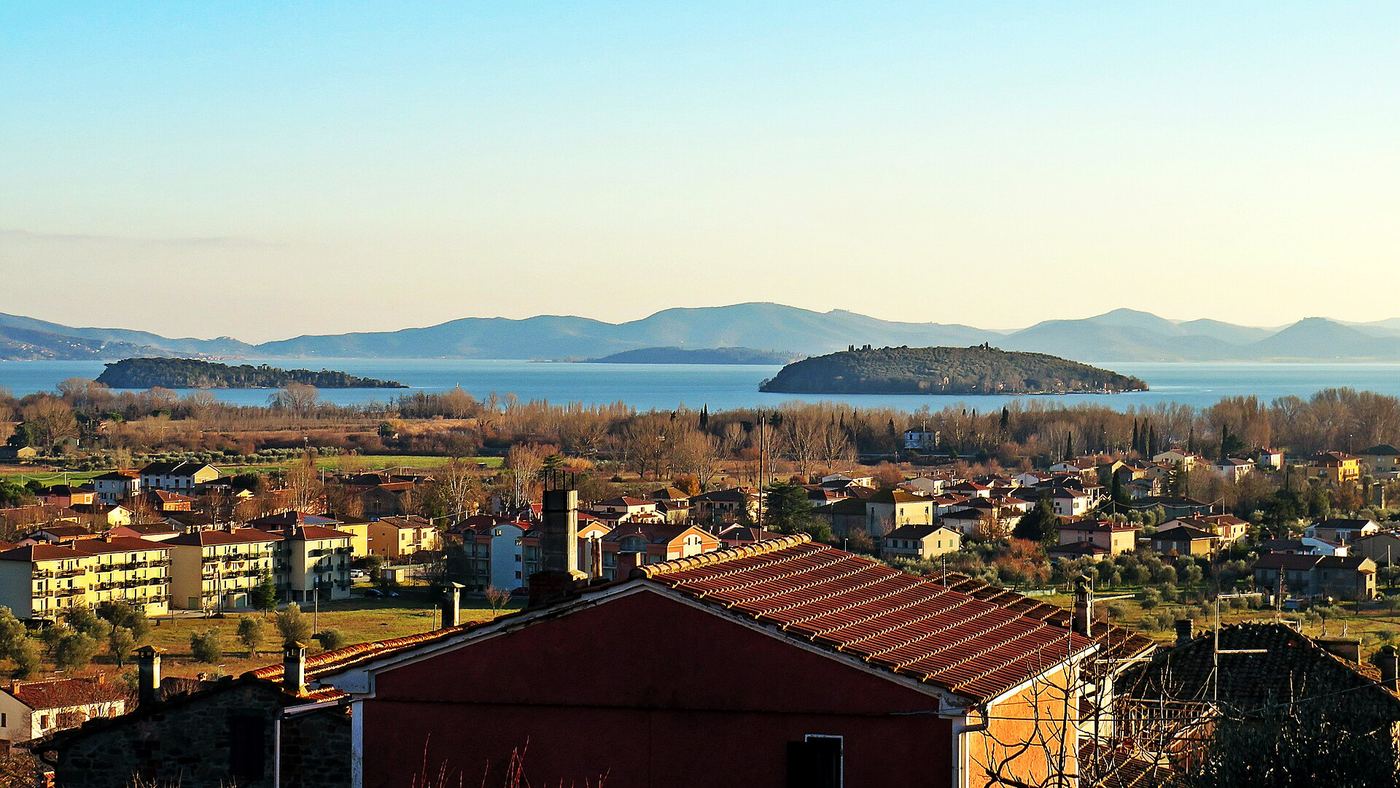 Victory
 - 216BC
Battle of Cannae
With a smaller army, Hannibal encircles and annihilates 8 Roman legions (about 50,000–70,000 dead). This double envelopment is still studied in military academies.
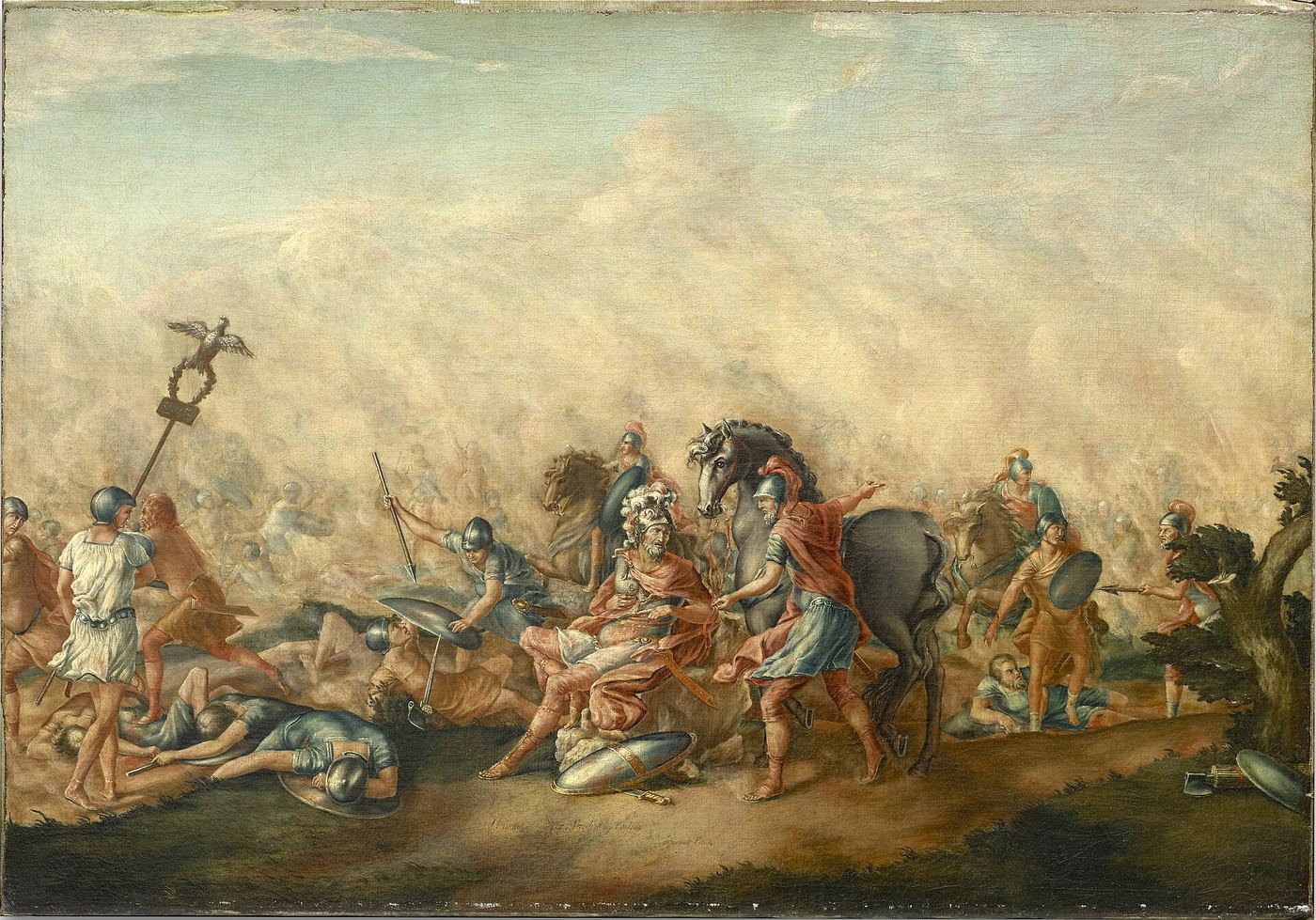 Tactical masterpiece
 - 207BC
Hasdrubal at the Metaurus
Hasdrubal Barca crosses the Alps in turn to join his brother with reinforcements from Spain. Intercepted at the Metaurus, he is killed; the Romans throw his head into Hannibal's camp.
Defeat - 203BC
Hannibal recalled
Scipio has landed in Africa (204). Syphax, the Numidian king allied with Carthage, is captured; his wife Sophonisba chooses poison rather than be handed over to Rome. Mago Barca dies of his wounds on the way back from Italy, and Hannibal is recalled after fifteen years of campaigning.
Turning point - 202BC
Battle of Zama
Scipio, allied with the Numidian Masinissa, faces Hannibal near Zama. Hannibal's tactics are turned against him: Carthage loses the war and must accept humiliating peace terms.
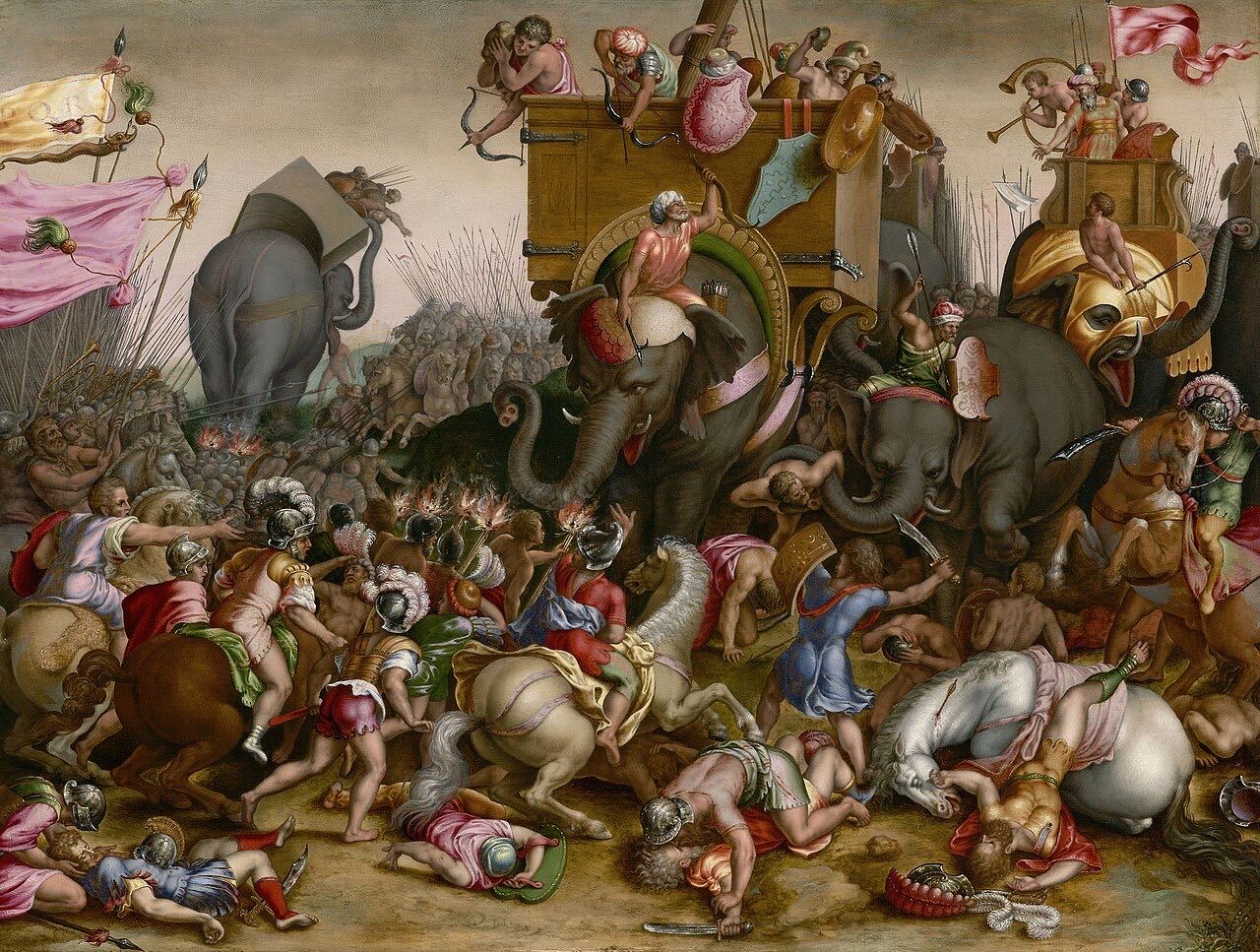 Decisive defeat
Fall
A victor's peace, an economic revival, then the third war and the capture of the city.
- 201BC
A loser's peace
Carthage must pay 10,000 talents over 50 years, hand over its elephants, reduce its fleet to ten ships and wage no war without Rome's consent.
Diplomacy - 196–195BC
Hannibal as suffete
Elected suffete, Hannibal restores the finances and makes the judges of the Court of One Hundred and Four serve one-year terms. The city enjoys a remarkable economic revival. Denounced to Rome by his opponents, he goes into exile in the East (195).
Reform - 183BC
Death of Hannibal
A refugee at the courts of Hellenistic kings, hunted by Rome, Hannibal takes poison at Libyssa, in Bithynia, rather than be handed over.
Exile - 151BC
The last instalment
Carthage finishes paying its war indemnity and takes up arms against the encroachments of Masinissa. In Rome, where Cato keeps repeating "Carthago delenda est", this is deemed a breach of the treaty.
Pretext - 149–146BC
Third Punic War
Carthage hands over its weapons, then Rome demands that its people abandon the city and settle far from the sea. They refuse: a three-year siege follows, until Scipio Aemilianus breaks into the city.
Punic War - 146BC
Capture of Carthage
In the spring, Scipio Aemilianus forces the defences; six days of street fighting lead up to Byrsa. The city is burnt, the survivors sold into slavery, and the territory becomes the Roman province of Africa.
Archaeological note — Excavations on Byrsa show a burn layer from 146, beneath which Punic houses survive. The salt sown on the ruins is a modern myth; Rome refounded Carthage on the same site a century later.
Taken by Rome
The city is reborn
A history told by Rome
Almost all of these dates come from Greek and Roman authors — Polybius, Livy, Appian. Archaeology now lets us test them against the traces left by the Carthaginians themselves.