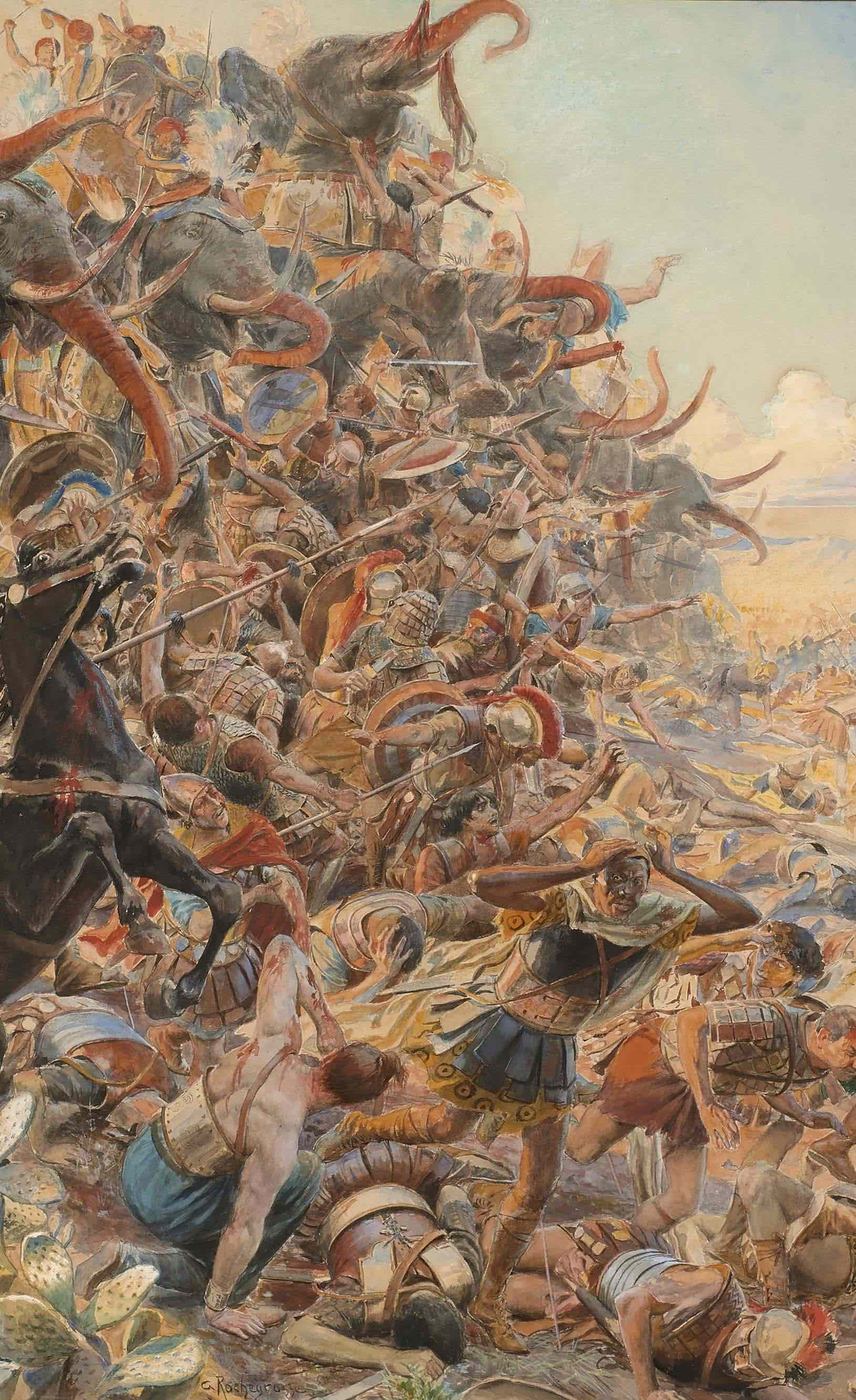
The Mercenary War
The “truceless” war — Carthage against its own army
Just defeated by Rome, Carthage cannot pay the soldiers who fought for it in Sicily. Their anger, soon taken up by Libyan peasants crushed by taxes, sets Punic Africa ablaze for more than three years. Polybius saw it as the most atrocious war he knew of.
mercenaries gathered at Tunis at the start of the revolt
Polybius, I, 67
Libyans join the insurgents at Mathos’ call
Polybius, I, 73
rebels killed at the pass of the Saw, out of about 50,000
Polybius, I, 84–85
of war: “three years and about four months”
Polybius, I, 88
When the army turns on the city
Carthage, a trading city with few citizens, fought its wars with soldiers from elsewhere: Iberians, Celts, Ligurians, Balearic islanders, “half-barbarian” Greeks and above all Libyans from its own territory. In 241 the peace of Lutatius ended the First Punic War; these men had to be brought back from Sicily and paid years of arrears.
But the treasury was empty: the war had ruined the city, which also owed Rome 3,200 talents. Haggling turned into mutiny, mutiny into war, and the war into an uprising of the whole of Africa against its capital.
Polybius calls it the war “without truce” (ἄσπονδος), rendered in French as “inexpiable”: no convention, no mercy was respected. It brought Hamilcar Barca and his family to the fore, and it cost Carthage Sardinia.
An almost unique account
- Polybius — Histories, I, 65–88: the only continuous, detailed account, written a century later from lost sources.
- Diodorus Siculus — Library of History, book XXV: fragments, dwelling on the atrocities.
- Appian — Libyca, 5: a brief mention, mainly of the Sardinian affair.
- Cornelius Nepos — Life of Hamilcar, 2: the revolt and Hamilcar’s victory in a few lines.
All these authors wrote on the winners’ side, Roman or Greek. We know the revolt only through them — and through the coins struck by the insurgents themselves.
The causes
Unpaid wages, a political blunder and an Africa at the end of its tether.
Gisco’s caution
Commander at Lilybaeum, Gisco sent the mercenaries back from Sicily in small groups so that each could be paid and discharged separately. But Carthage, short of money, let them pile up in the city, then sent them all together to Sicca with their baggage.
Hanno’s blunder
Hanno — usually identified with Hanno “the Great”, leader of the landowners’ party — came to Sicca to ask the soldiers to accept reduced pay. None of them spoke the same language; rumour did the rest. More than 20,000 men marched on Tunis, at the gates of Carthage.
The anger of the Libyans
During the war with Rome, Carthage had taken half of the Libyan peasants’ harvests and doubled the towns’ taxes. When Mathos called them to revolt they rose en masse; the women, says Polybius, gave their jewellery to fund the war.
The protagonists
Rebel leaders from all over the Mediterranean world against Carthage’s rival generals.
On the rebel side
Spendius
A runaway slave of the Romans, he feared being handed back to his masters if peace was made. A skilled speaker, he drove the army to the break. Crucified before Tunis.
Mathos
A free man compromised in the first disturbances. He turned the mutiny into a Libyan war of liberation and became the revolt’s most enduring leader. Captured in 237.
Autaritus
Leader of the Celts; he spoke Punic, which made him heard by all. With Spendius he had the killing of Gisco voted. Captured at the Saw.
Zarzas
Leader of a Libyan contingent, he joined Spendius and Autaritus in the last campaign and was among the envoys detained by Hamilcar at the Saw.
On the Carthaginian side
Gisco
The officer who had organised the repatriation. Sent to Tunis with the money, he was seized by the rebels with his escort, then mutilated and put to death.
Hanno
Victorious before Utica thanks to more than a hundred elephants, he then let his camp be surprised. His rivalry with Hamilcar long paralysed the command.
Hamilcar Barca
Undefeated in Sicily, recalled with 10,000 men and 70 elephants. Strategist of the Bagradas and the Saw, he came out of the war master of the army.
Naravas
He went over to Hamilcar with 2,000 horsemen; in return Hamilcar promised him his daughter’s hand — Polybius does not give her name.
The stages of the war
Polybius gives no years: the chronology is reconstructed. Most historians date the war from late 241 to early 237; some prefer 240–238, the dates used elsewhere on this site.
The theatre of operations
The whole war was fought in Carthage’s hinterland, between the Medjerda valley and the Sahel.
Modern coastline: the Medjerda’s silt has since filled the gulf of Utica. The location of the pass of the Saw is unknown; it is not shown.
An escalation of terror
On both sides cruelty became a political weapon: the rebel leaders wanted to make any reconciliation impossible, Carthage wanted to make an example.
“We know of no war that surpassed this one in cruelty and lawlessness.”
After Polybius, Histories, I, 88
The torture of Gisco
Worried by Hamilcar’s clemency, Spendius, Autaritus and Mathos had the hands of Gisco and some 700 prisoners cut off, mutilated them, broke their legs and threw them alive into a pit. They decreed that every Carthaginian prisoner would suffer the same fate.
Hamilcar’s answer
Hamilcar gave up clemency: captives were now thrown to the elephants. The rebels even refused to return the bodies to the Carthaginians who came to claim them.
The crosses of Tunis
Spendius was crucified facing the walls of Tunis. Mathos struck back by capturing the general Hannibal — no relation of Hamilcar’s son — nailing him to Spendius’ cross, and having thirty Carthaginian nobles slaughtered around him.
The end of Mathos
Captured near Leptis, Mathos was paraded through Carthage in a triumphal procession and tortured to death by the city’s youth. It is sometimes said he was crucified: Polybius speaks of public torture, not a cross.
The pass of the Saw
In 238, Spendius, Autaritus and Zarzas held the field with nearly 50,000 men. Hamilcar avoided pitched battle: he harassed the enemy, cut off its supplies and finally drove it into a place whose jagged shape had earned it the name Prion, “the Saw”.
Surrounded, with no food and no help from Tunis, the rebels ate their prisoners, then their slaves. The leaders resigned themselves to negotiate: Hamilcar demanded to choose ten men at his discretion, the rest could leave with one tunic each. Once the deal was struck, he declared that he chose… the ten envoys present.
Deprived of its leaders and believing the agreement broken, the army took up arms. Hamilcar surrounded it with his elephants and troops: more than 40,000 men perished. It was the military end of the revolt, even though Mathos still held Tunis.
A disputed trick
Was the trap a betrayal? Polybius presents the choice of the ten as true to the letter of the agreement. Modern historians often see a cynical reading of it, typical of a war in which no rule held any more.
Neighbours keeping score
At first Rome behaved correctly: it forbade its merchants to supply the rebels, let Carthage recruit in Italy, freed its prisoners of war without ransom and refused Utica’s offer to give itself up to Rome. Hiero of Syracuse sent food: he did not want a Rome without a rival (Polybius, I, 83; Appian, Sicelica, 2).
But the mercenaries in Sardinia had also revolted, killed their commander Bostar and driven out the Carthaginians, before being expelled in turn by the Sardinians. Taking refuge in Italy, they called on Rome.
In 238/237, when Carthage prepared to retake the island, Rome claimed the preparations were aimed at itself and declared war. Exhausted, Carthage gave up Sardinia and paid 1,200 more talents. Polybius, though a friend of Rome, judged the move contrary to all justice (III, 28).
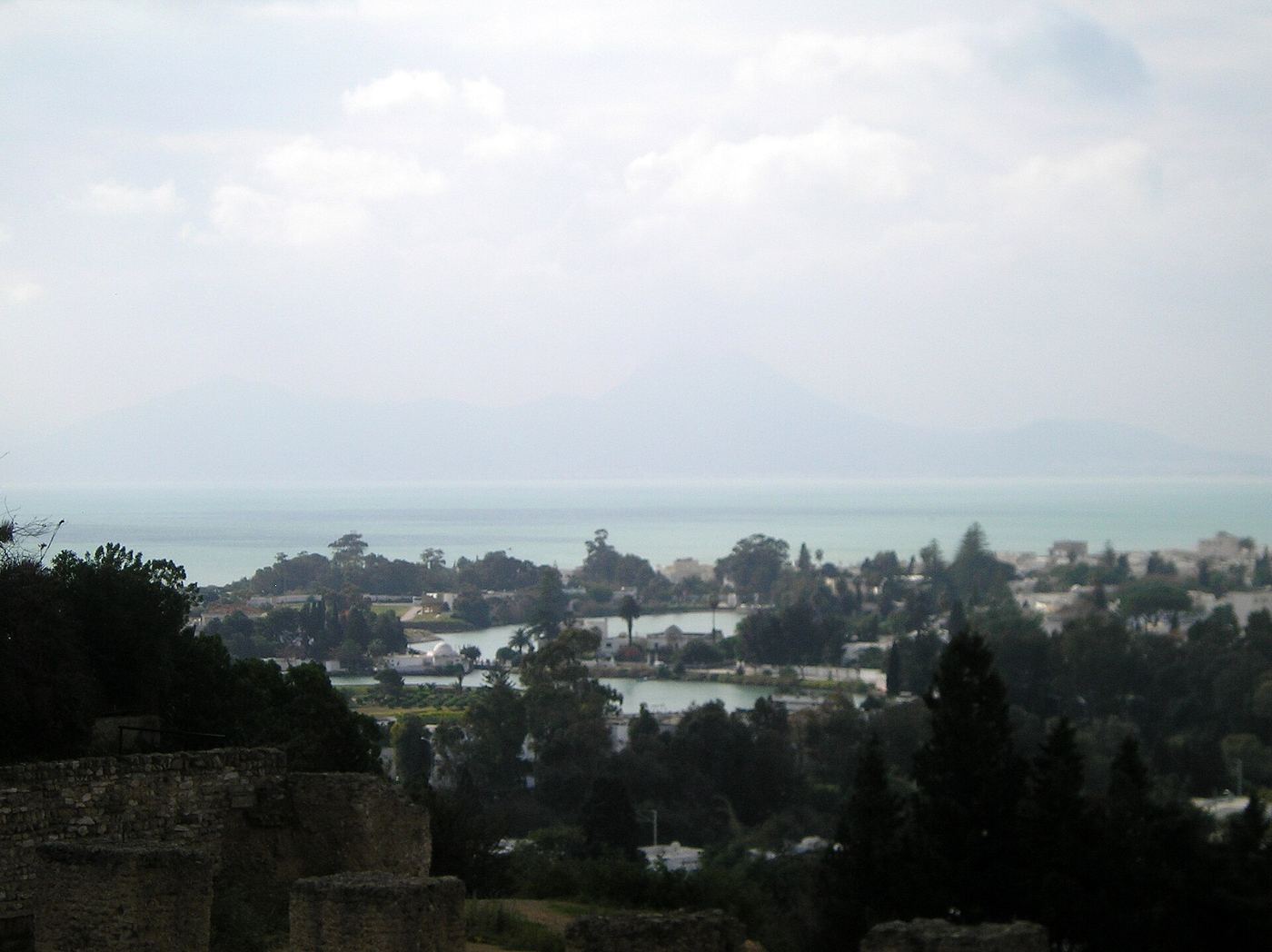
A victory that paved the way for the next war
Sardinia lost
Talents demanded on top of the 241 indemnity, together with Sardinia, then Corsica. Polybius counts it among the causes of the Second Punic War (III, 10).
Departure for Hispania
Hamilcar sails for Gades with his son Hannibal. Stripped of its islands, Carthage looks to Hispania for the silver and soldiers it lacks.
The rise of the Barcids
Chosen by the army over Hanno, Hamilcar came out of the war with loyal troops and popular support. The conflict between the two men now shaped political life.
Africa brought back to heel
The Libyan towns returned to obedience. Carthage kept hiring mercenaries, but the Barcid armies would be bound to their general.
Salammbô, the novel of the war
In 1862 Flaubert made the Mercenary War the setting of a novel that fixed the image of Carthage for a century.
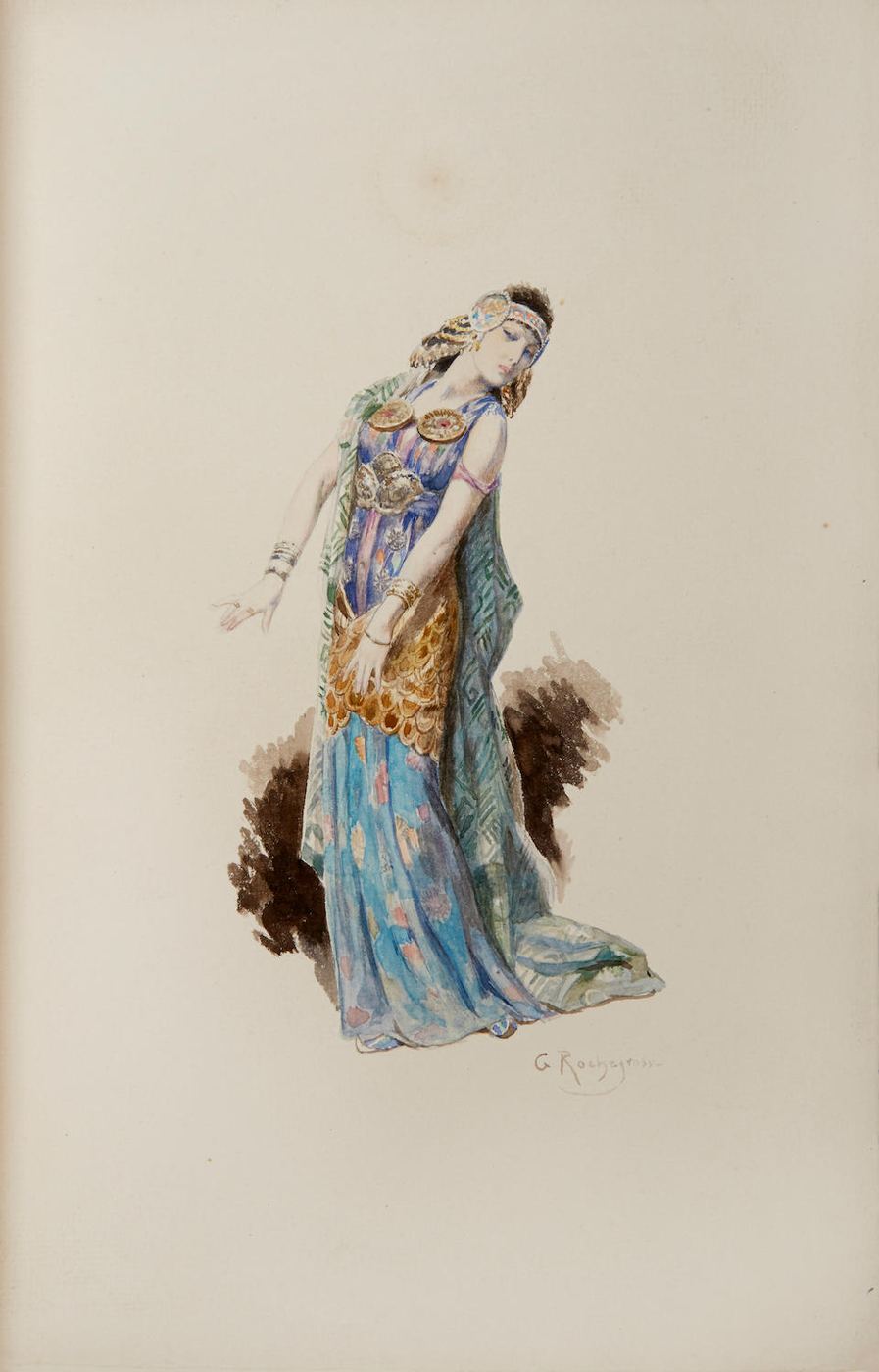
A novel faithful to Polybius… but for its heroine
After Madame Bovary, Flaubert wanted to bring Carthage back to life. He read Polybius and dozens of scholars, then visited Tunis and the site of Carthage in the spring of 1858. Salammbô appeared in 1862: the plot closely follows Polybius’ chronology, from the mercenaries’ feast to the torture of Mâtho.
At the heart of the story he placed a heroine of his own invention: Salammbô, Hamilcar’s daughter and priestess of Tanit, with whom Mâtho, the rebel leader, falls desperately in love. Flaubert built on a real detail: Polybius reports that Hamilcar promised his daughter to the Numidian prince Naravas — without ever naming her.
What Flaubert took from Polybius
- The unpaid wages, Sicca, the march on Tunis
- Hamilcar, Hanno, Gisco, Spendius, Mâtho, Autharitus, Narr’Havas
- The battle of the Macar and the ford uncovered by the wind
- The torture of Gisco and the prisoners
- The pass of the Saw, renamed the “Defile of the Axe”, and the famine
- The promise of a daughter of Hamilcar to Naravas
- The torture of Mâtho paraded through Carthage
What Flaubert imagined
- Salammbô herself, her name and her love for Mâtho
- The theft of the zaïmph, the sacred veil of Tanit
- The sacred serpent and the priestess’s rites
- Hanno’s leprosy and the banquet in Hamilcar’s gardens
- The great sacrifice of children to Moloch during the siege, transposed from an episode of 310 told by Diodorus (XX, 14) — a subject still debated
- The substitution of a slave child for the young Hannibal
Further readingSources for this page
6 references
Ancient sources
- Polybius, HistoriesI, 65–88 (esp. 67, 73, 76, 83, 84–85, 88); III, 10; III, 28 — the only continuous account of the war
- Diodorus of Sicily, Library of HistoryXXV (fragments); XX, 14 — atrocities of the war; the sacrifice of 310
- Appian, Libyca5 — the Sardinian affair
- Appian, Sicelica2 — Hiero of Syracuse's aid
- Cornelius Nepos, Life of Hamilcar2
Modern scholarship
- Gustave Flaubert, Salammbô, 1862 — novel, mentioned on this page
Read also
The Punic Wars →Hamilcar Barca
Undefeated in Sicily, victor at the Saw and conqueror of Hispania.
The Carthaginian army
Libyans, Numidian allies and mercenaries: an effective system, and its weakness.
The institutions
Senate, sufetes and assembly; Hanno the Great against the Barcids.