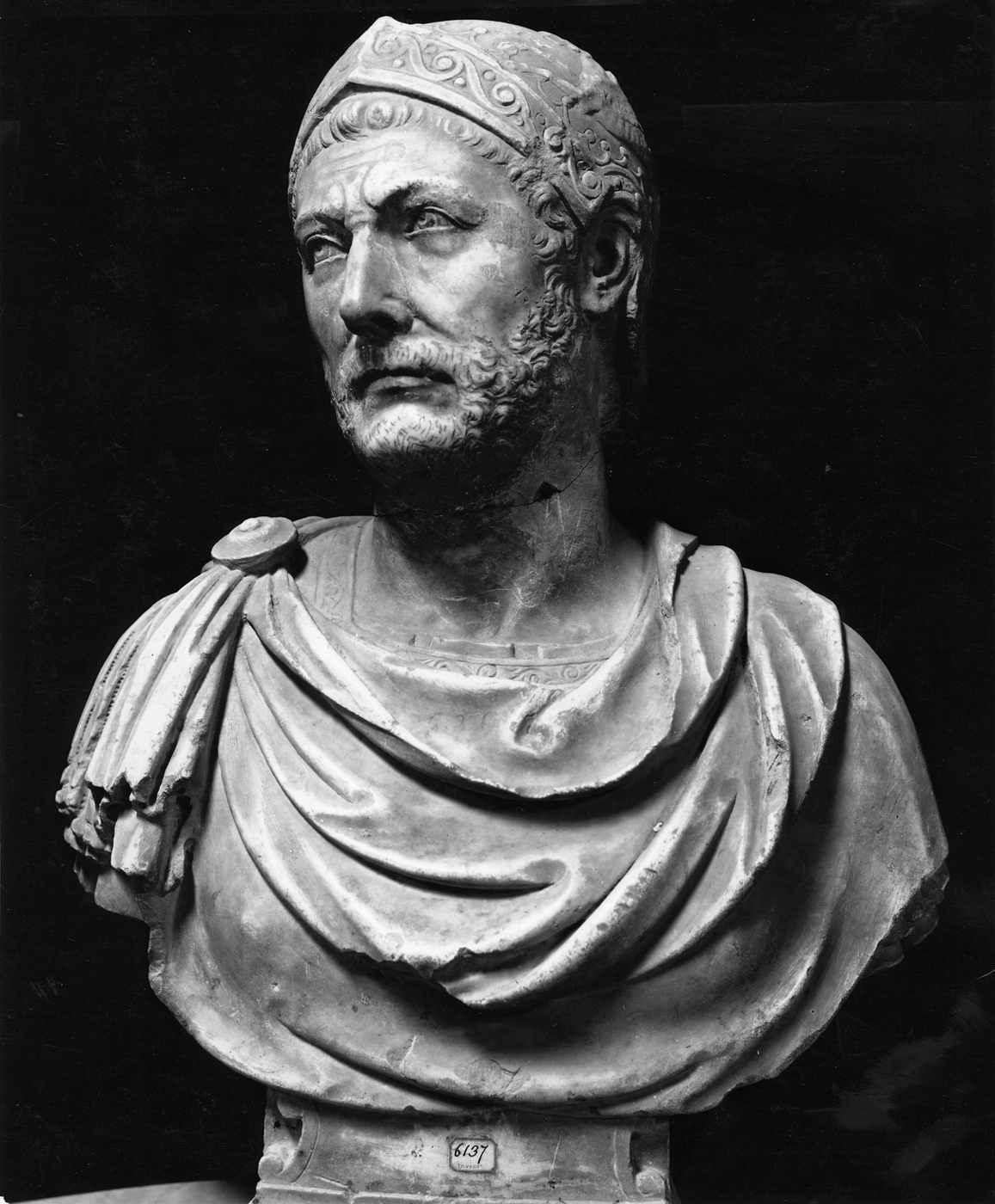
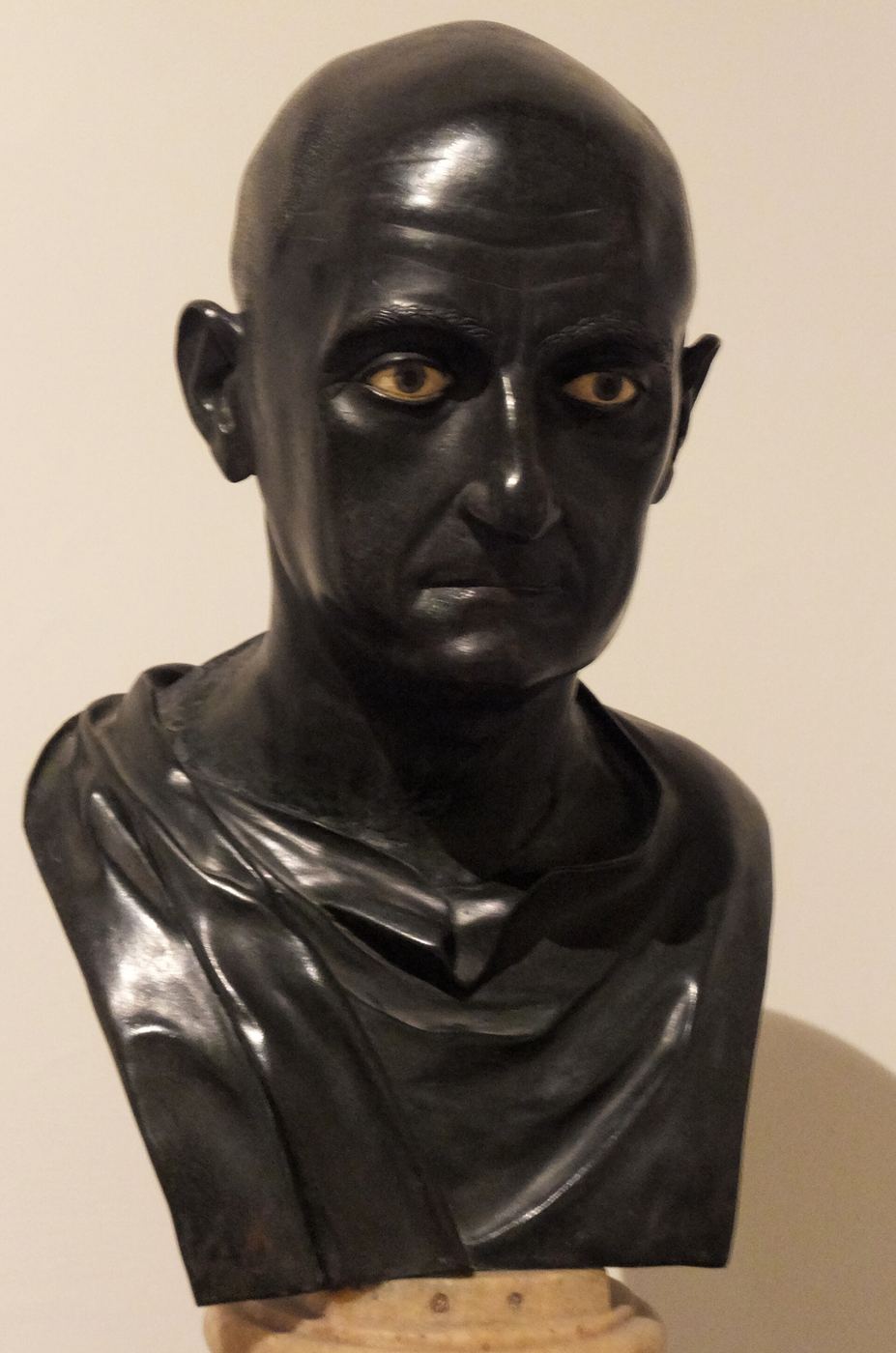
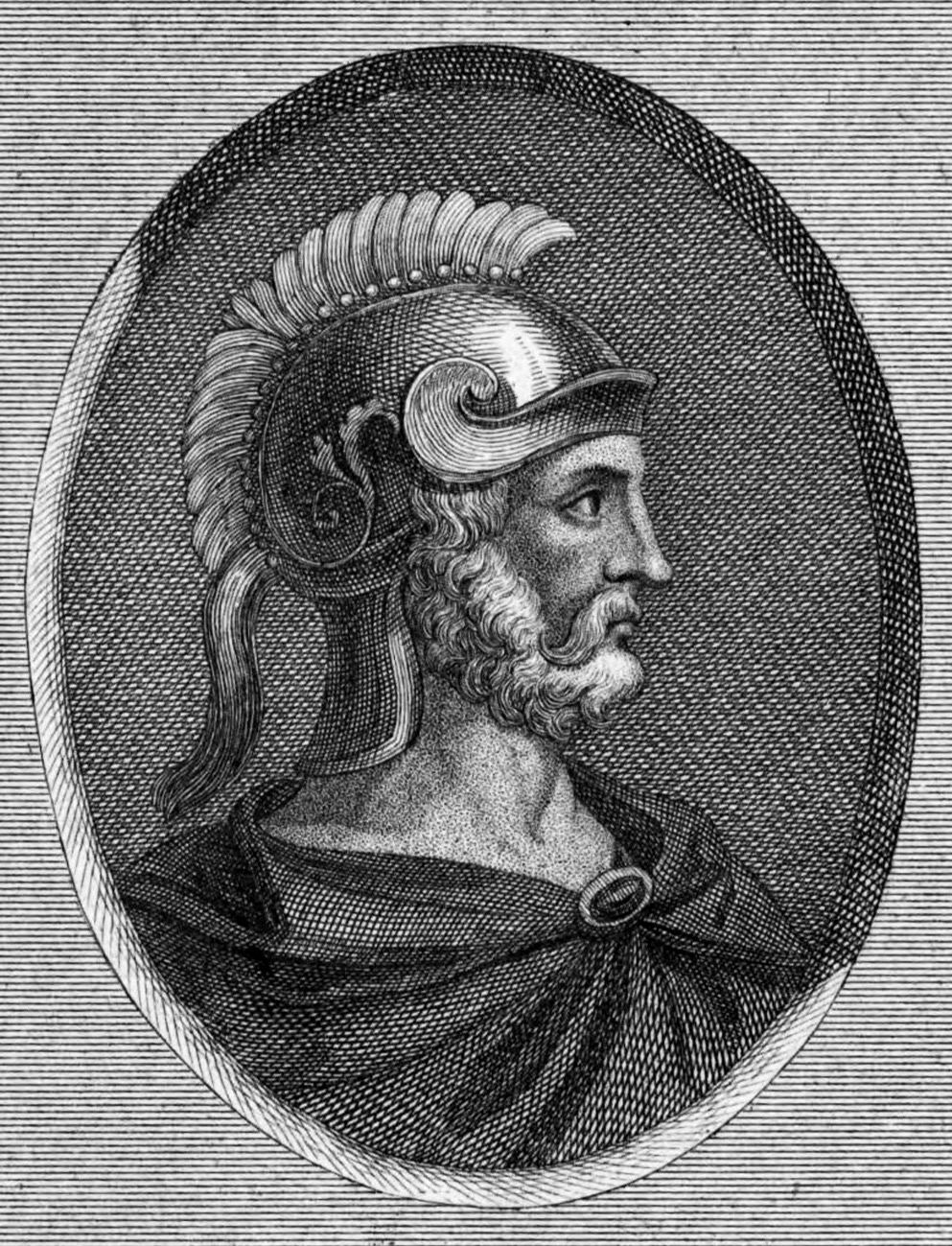
Masaesyli · western Numidia
Syphax
The most powerful king in Numidia, with Siga and then Cirta as capitals. Courted by both Rome and Carthage, he chose Carthage by marrying Sophonisba. Defeated in 203, he was taken captive to Italy.
? – 203 BC
Daughter of Hasdrubal son of Gisco, twice queen of Numidia within a few years: her life was the stake of Punic diplomacy in the Second Punic War — and her death, a refusal.
Scipio and Hasdrubal received by Syphax on the same day
Numidian kings married: Syphax, then Masinissa
day between the fall of Cirta and her wedding to Masinissa
BC: the cup of poison
Daughter of General Hasdrubal son of Gisco, who commanded the Punic armies in Iberia, Sophonisba belonged to one of the first families of Carthage. Educated and renowned for her beauty, she was never merely a princess: she was a strategic asset.
Her marriage to Syphax, king of the Masaesyli, was not a matter of the heart but a masterstroke: it brought the most powerful king in Numidia and his cavalry over to Carthage, just as Rome was preparing to invade Africa.
"Sophonisba" is the Greek and Latin form of a Punic name, probably Ṣapanbaʿal, "Baal has protected".
The two Numidian kingdoms fought over the region; Rome and Carthage fought over the Numidians.
The most powerful king in Numidia, with Siga and then Cirta as capitals. Courted by both Rome and Carthage, he chose Carthage by marrying Sophonisba. Defeated in 203, he was taken captive to Italy.
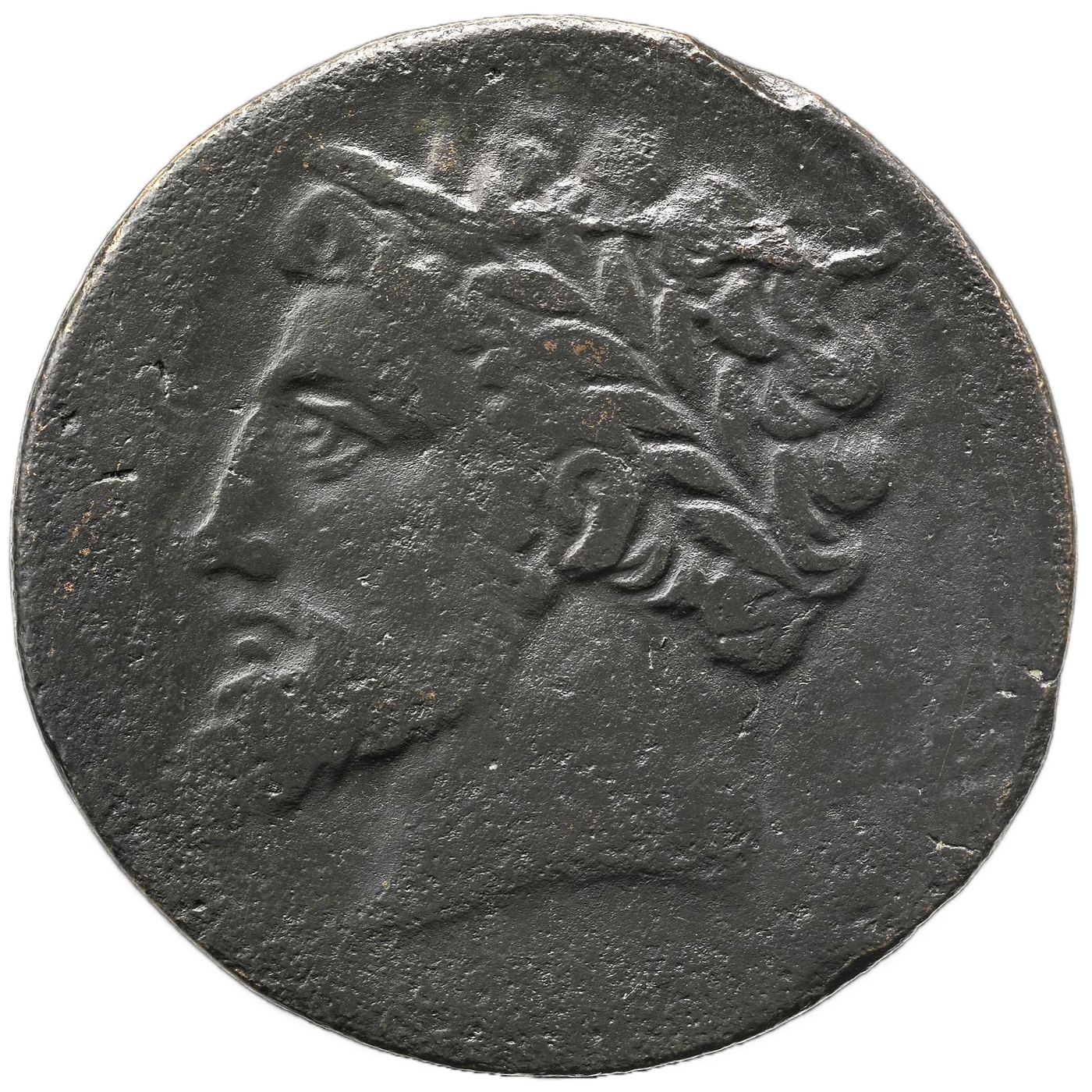
A former ally of Carthage in Iberia, dispossessed by Syphax, he went over to Rome. Victorious with Laelius, he married Sophonisba, then had to yield to Scipio. He reigned until 148 BC.
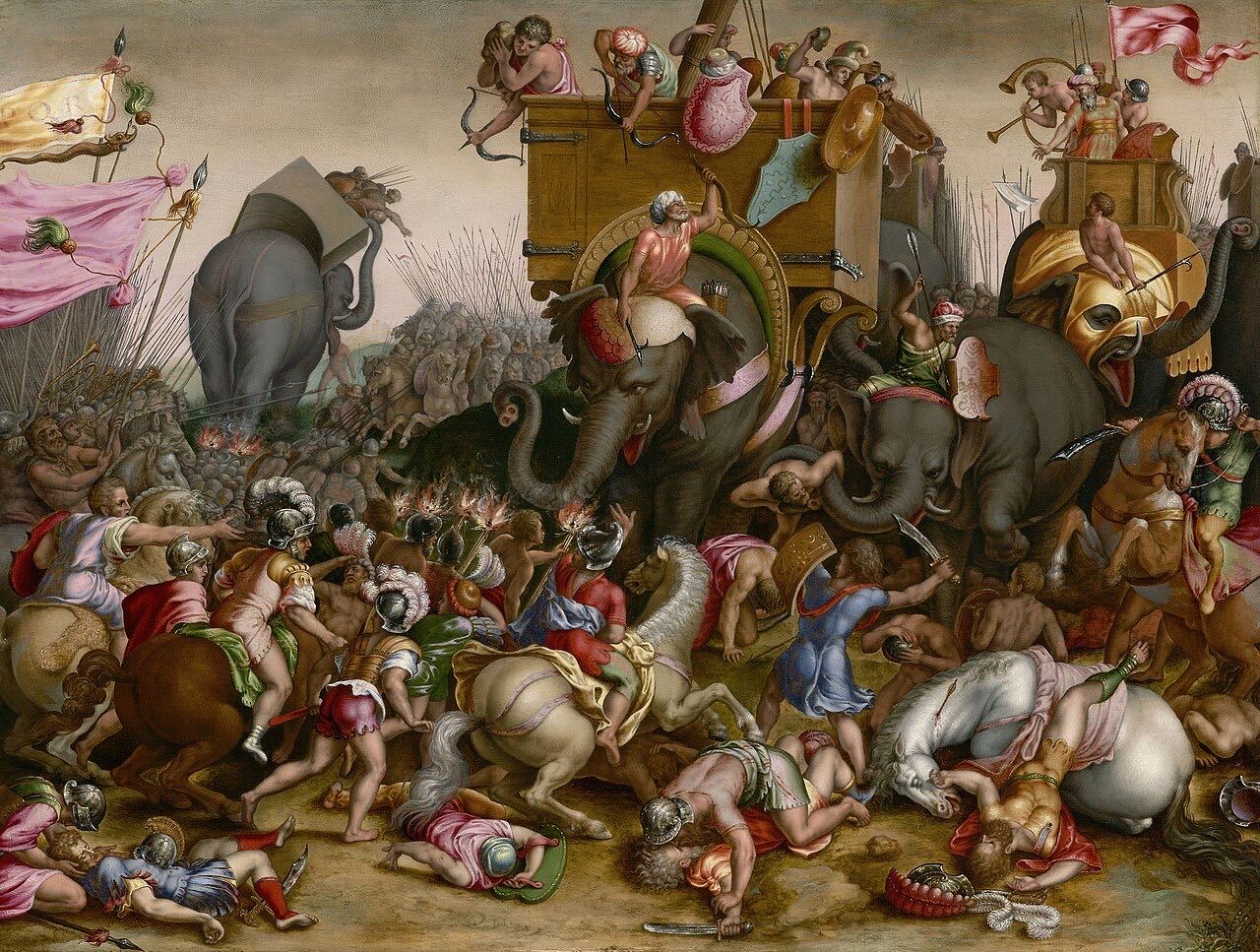
For Scipio, Hasdrubal's daughter, who had turned Syphax away from Rome, belonged to the Roman people: she must walk in his triumph. Masinissa could neither save her nor disobey.
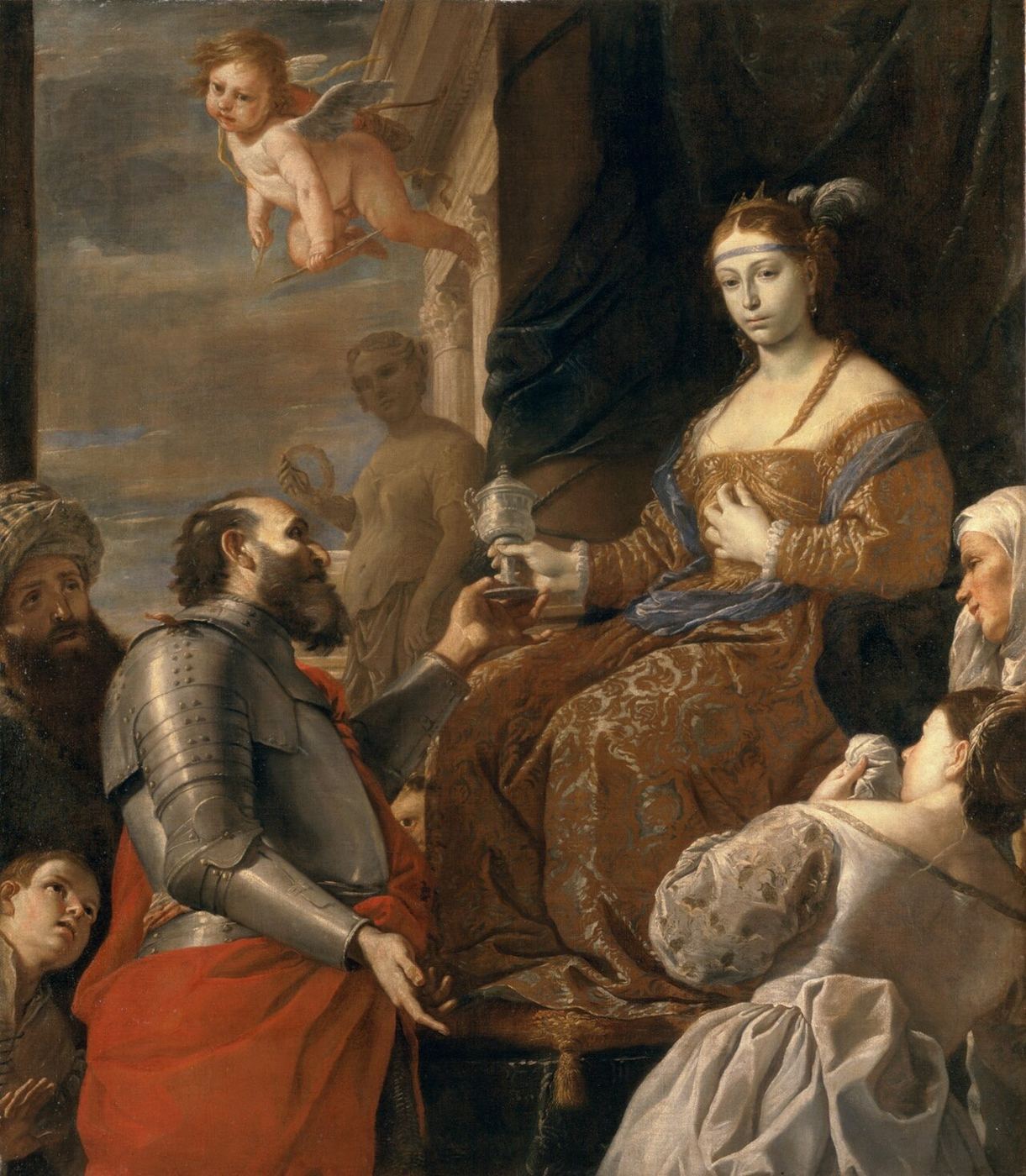
He had a servant bring her poison. Sophonisba received it as a "wedding gift" and drank it without flinching, choosing death over the chains of a Roman procession.
Accipio nuptiale munus, neque ingratum, si nihil maius vir uxori praestare potuit. Hoc tamen nuntia, melius me morituram fuisse si non in funere meo nupsissem.
« I accept this wedding gift, and not ungratefully, if my husband could give his wife nothing better. But tell him this: I would have died more honourably had I not married on the day of my funeral. »
We know Sophonisba only through her enemies.
Livy has the captive Syphax call her his "fury", the woman who tore him from Rome’s friendship. Casting Sophonisba as a seductress helped explain the Numidian changes of side. One can read instead a clear-sighted diplomat, for whom a Roman victory meant the ruin of Carthage.
She chose the cup of poison over the chains of a Roman triumph, preserving the honour of Carthage to her last breath — a gesture European literature has never stopped re-enacting.
A symbol of Punic resistance, her final choice embodies dignity in the face of domination. Since the Renaissance, her death has been one of the great subjects of tragedy, opera and painting.
Sofonisba, one of the first "regular" tragedies in Italian.
La Sophonisbe, a milestone of French classical tragedy.
Sophonisbe, the queen who puts her glory before her love.
The Tragedy of Sophonisba, in England.
Sofonisba, an opera premiered in Milan; Traetta (1762) and others followed.
A rewriting of Mairet's play.
Mattia Preti, Giambattista Pittoni and many others painted "the death of Sophonisba".