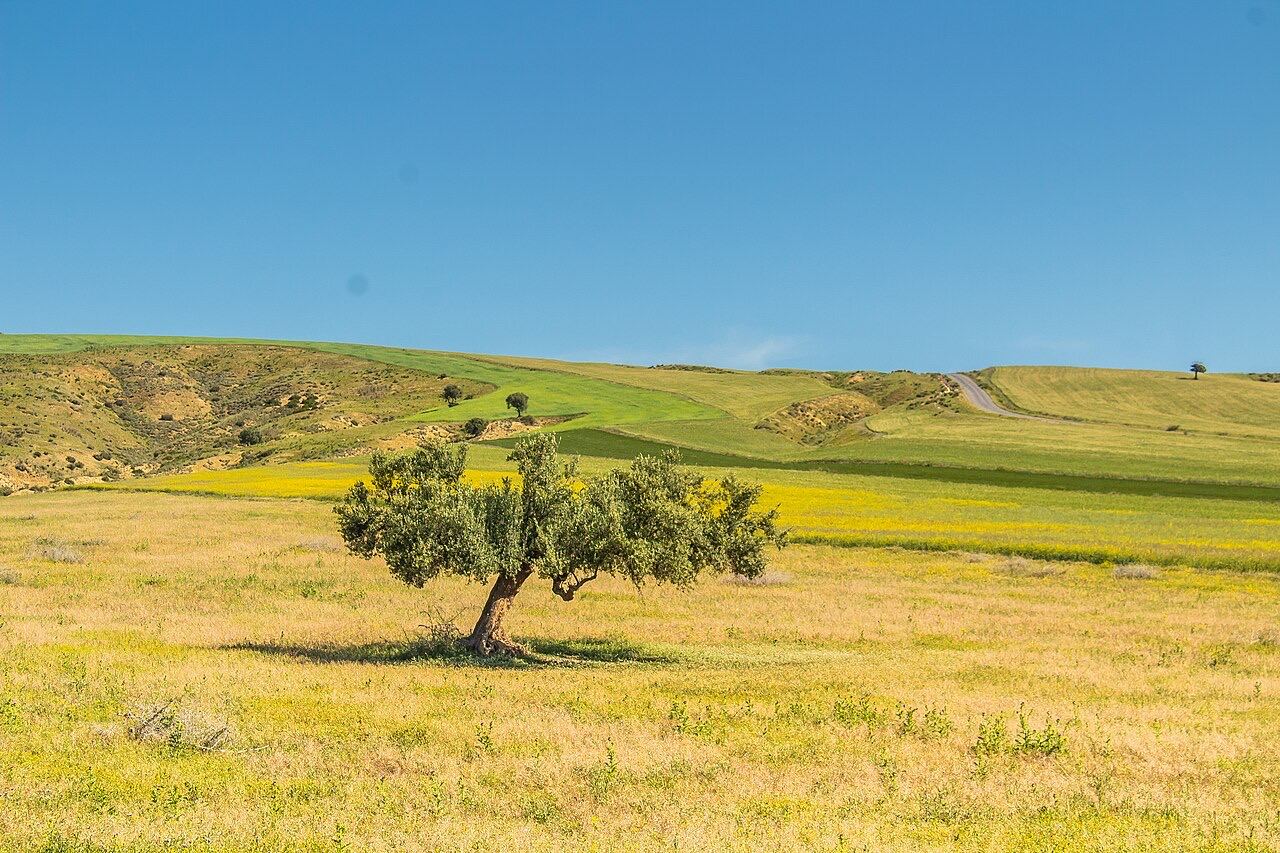
The olive tree
Oil for the table, for lamps and for perfumes. Tunisia is still one of the world’s leading olive oil producers.
Carthage's economy →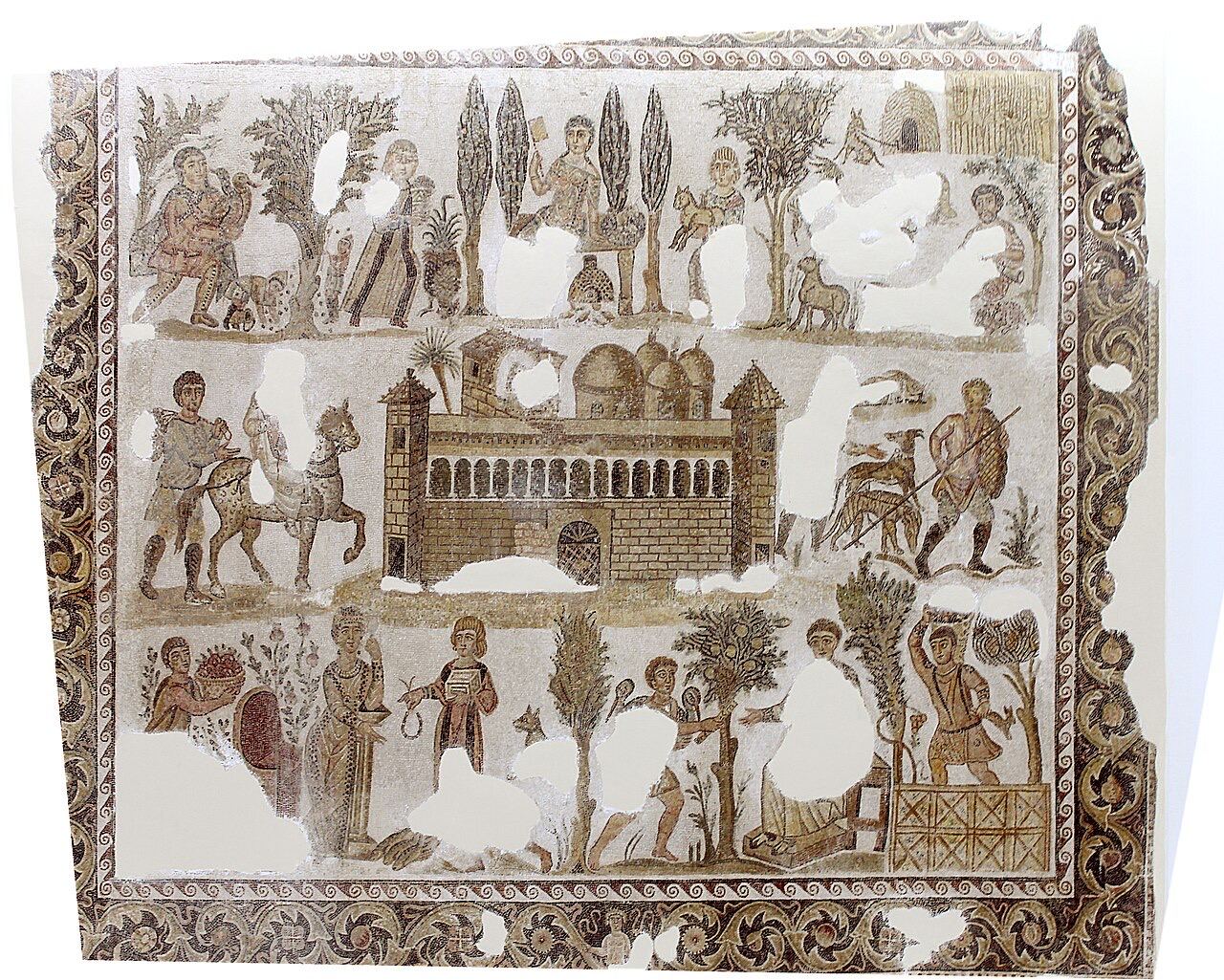
Carthage was more than a port: its estates on Cap Bon and along the Medjerda were among the most productive in the Mediterranean.
Oil for the table, for lamps and for perfumes. Tunisia is still one of the world’s leading olive oil producers.
Carthage's economy →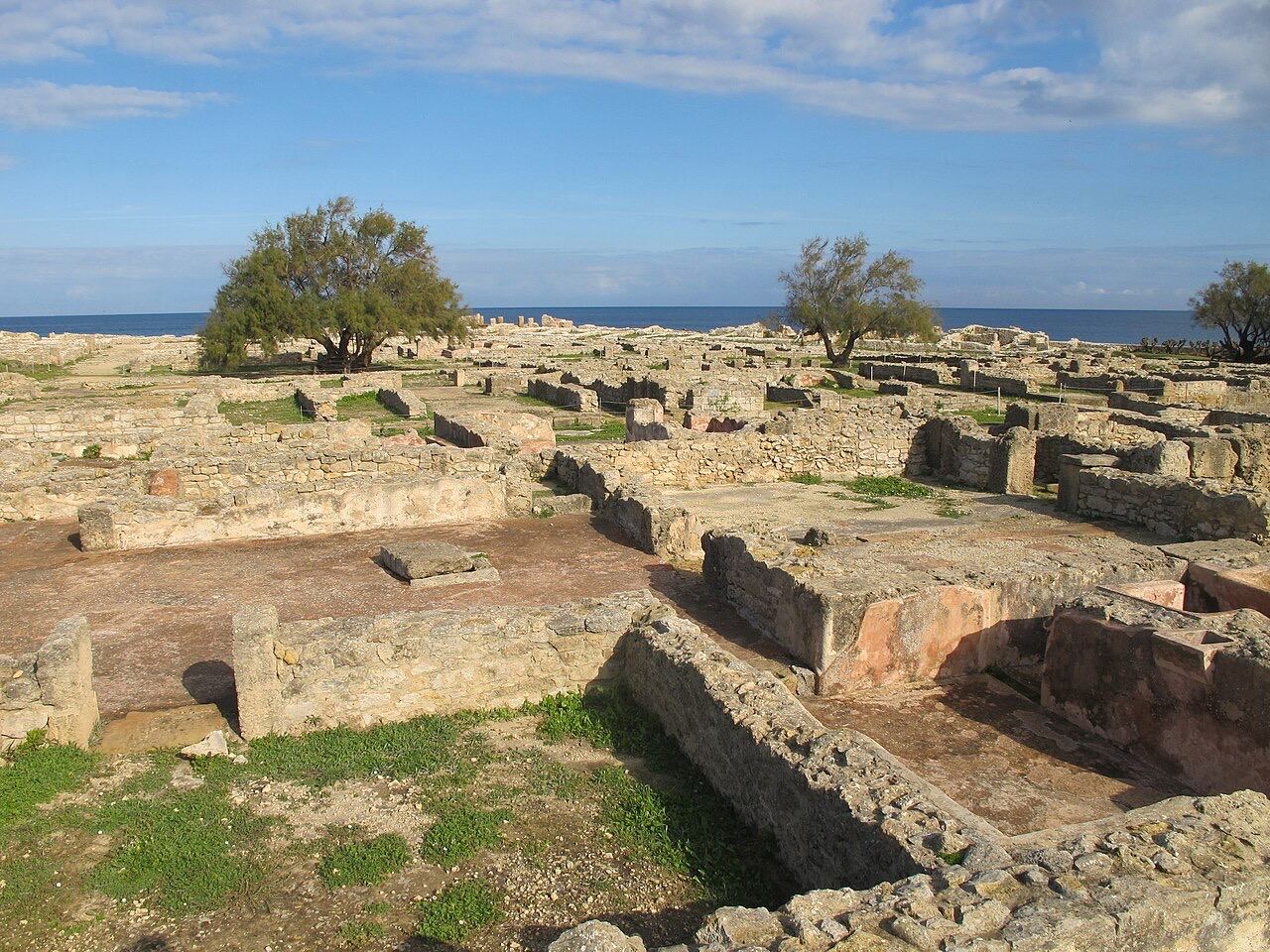
On Cap Bon, around Kerkouane; Mago describes growing vines and making raisin wine.
The Medjerda plains would later become the "granary" of Rome.
of African territory under Carthaginian control on the eve of the First Punic War (Decret)
in 146 BC, after half a century of encroachment by Masinissa (Decret)
of the harvest demanded from Libyan farmers during the First Punic War (Polybius, I, 72)
Agathocles lands in Africa and marches through a countryside covered with estates (Diodorus, XX, 8)
Historians use the Greek word chora — "the countryside" — for the rural territory that fed Carthage. It covered much of present-day Tunisia, a region well enough watered for abundant farming, which Rome would in turn exploit in its province of Africa (Decret).
Carthage soon divided the roles: near the capital, estates devoted to cash crops; further out, cereals, left to Libyan farmers who paid a tribute in kind. In wartime the weight of this tribute drove them to revolt, as in 241 (Polybius, I, 71-72).
When Agathocles of Syracuse landed in 310, his soldiers found a land of irrigated gardens and orchards, country houses, vines and olive trees, herds and horse pastures: Diodorus’ description (XX, 8) is the best ancient witness to these farmlands.
Cash orchards, wheat fields, herds: Carthage’s hinterland fed the city and supplied its exports.
These species already grew wild in North Africa, but the Phoenicians brought selected stock. Fruit, meat and wine went mostly to the well-off, grain to everyone. Punic farm produce has been found as far away as Greece.
The native peoples had long raised livestock, especially horses, oxen and mules (Polybius, XII, 3) — providing mounts, draught animals and meat.