Too rich for Rome
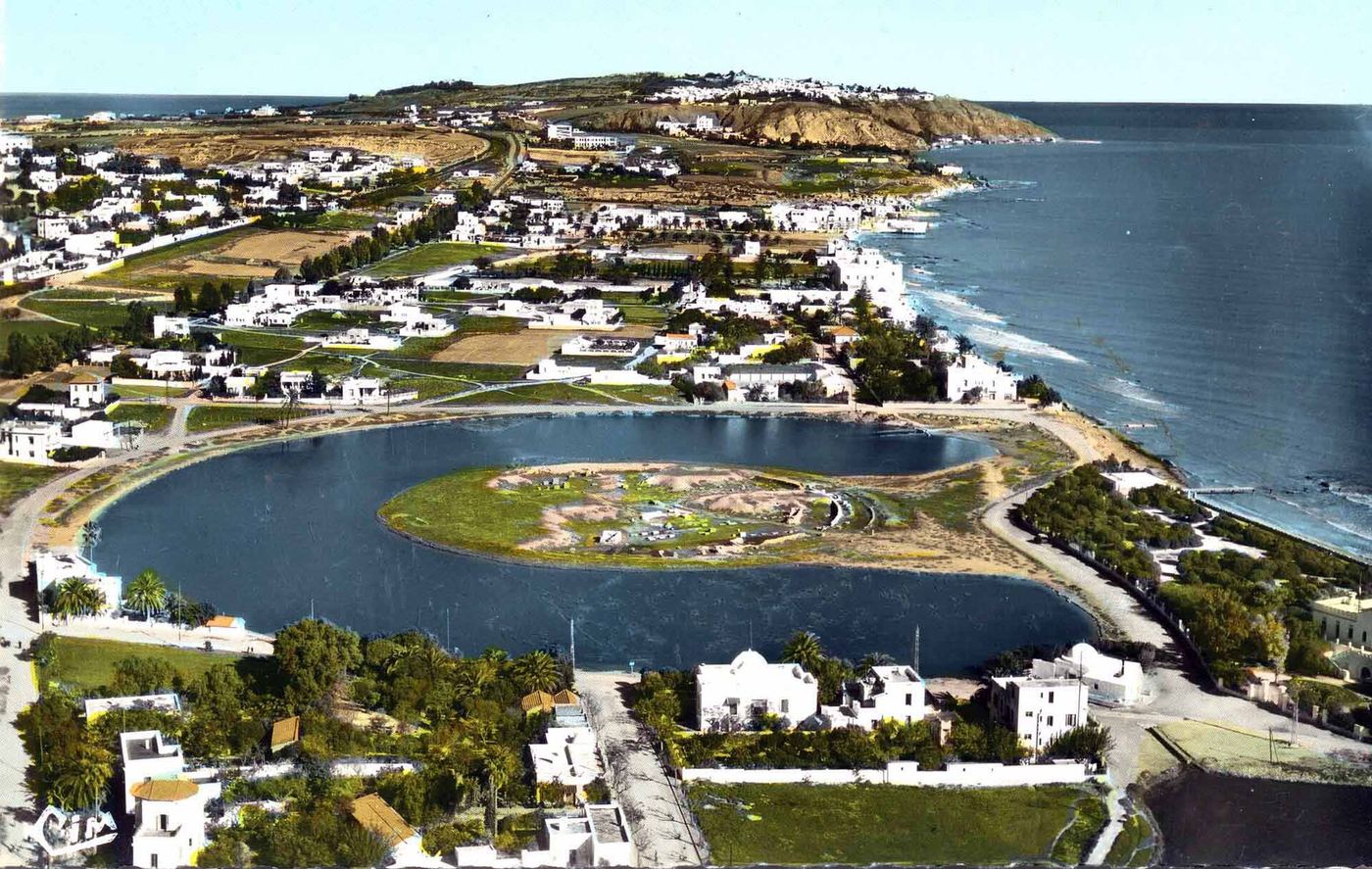
Defeated twice, Carthage always rose again. It was its prosperity, far more than its armies, that ended up obsessing Rome.
inhabitants on the eve of 149 according to Strabo — probably an exaggeration
of silver a day (≈ 100 kg): the yield of the Baebelo mine for Hannibal, according to Pliny the Elder
talents of indemnity imposed in 201 BC, over 50 years (≈ 260 tonnes of silver)
later, Carthage offers to pay it all off at once
The spiral, from the Aegates to 146
- 241
The first bill
Defeated at the Aegates Islands, Carthage loses Sicily. The treaty set 2,200 talents over twenty years; the Roman people raised it to 3,200 talents over ten (Polybius).
- 237
The seizure of Sardinia
Taking advantage of the Mercenary War, Rome seizes Sardinia and demands 1,200 more talents under threat of war. Polybius himself calls it unjust.
- 201
A peace to ruin Carthage
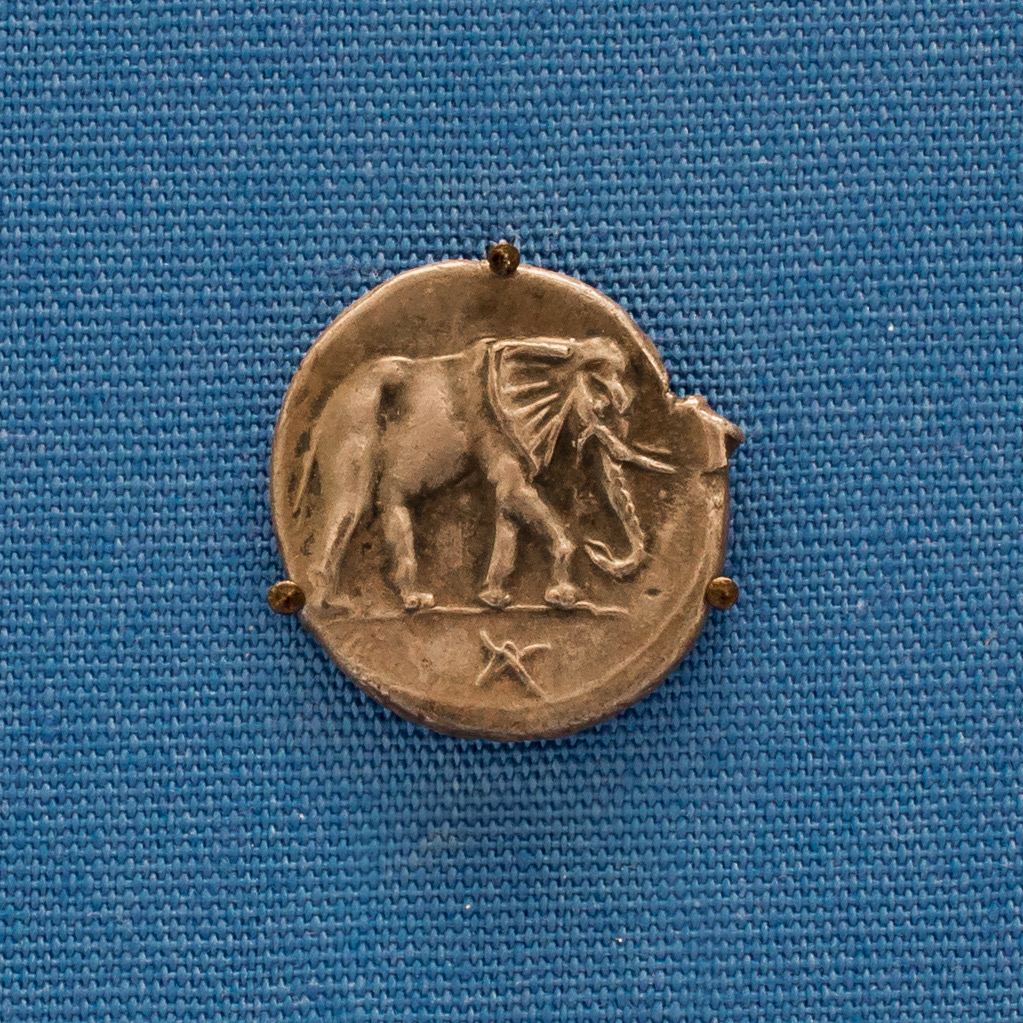
After Zama: the fleet cut to 10 ships, the elephants surrendered, 100 hostages, no war without Rome's consent, and 10,000 talents of silver to be paid over 50 years.
- 196
Hannibal as sufete
Elected chief magistrate, he attacks the corruption of the oligarchy and shows that public revenue is enough to pay Rome without new taxes (Livy). His enemies denounce him to Rome; he goes into exile in 195.
- 191
"We can pay it all"
According to Livy, Carthage offers to settle the whole remaining indemnity at once. Rome refuses: the debt was also a leash.
- ~150
Cato's figs
Back from an embassy to Africa, Cato drops still-fresh figs in the Senate: the land that grows them, he says, is only three days' sail away (Plutarch, Pliny). The rival is prosperous — and close. From then on he ends every speech by demanding the destruction of Carthage.
- 151–150
The Numidian pretext
The last instalment of the indemnity is paid. Harassed by Masinissa, Carthage raises an army to defend itself without Rome's consent — breaching the treaty of 201 and handing Rome its casus belli.
- 149
The ultimatum
According to Appian, Carthage hands over 300 children as hostages, then 200,000 sets of armour and 2,000 catapults… before Rome demands that it abandon the city and resettle 80 stadia (≈ 15 km) from the sea. Refusal: the city holds out for three years, until 146.
Why such relentlessness?
The ancient sources themselves give several reasons — all of them Roman.
"Carthage must be destroyed"
Ceterum censeo Carthaginem esse delendam.
Plutarch reports that Cato ended every opinion he gave with this demand; the famous Latin wording is a later reconstruction. "Carthago delenda est" is the short version.
Useful fear
In the Senate, Nasica replied that Carthage should be preserved: fear of the rival (metus Punicus) kept Romans disciplined. Sallust would later date the beginning of Rome's decline to its disappearance.
The richest city in the world
An eyewitness of the siege, Polybius says it was reputed the richest city in the world. After 146 the Senate even had Mago's treatise on agriculture translated into Latin: Rome destroyed its rival but kept its knowledge.
Two models face to face
| Carthage | Rome | |
|---|---|---|
| Wealth | From sea trade and agriculture | From conquest and tribute |
| Army | Professional mercenaries | Citizen-soldiers (legionaries) |
| Navy | Long-standing naval supremacy | Fleet built during the First Punic War |
| Government | Sufetes, merchant oligarchy | Consuls, aristocracy |
| Currency | Electrum, gold, silver, bronze | Silver denarius |