Hamilcar Barca
Hamilcar Barca, the father
People · 15 figures, 8 biographies

The Barcas, the “Thunderbolt”

Barca is thought to come from the Punic baraq, “lightning”. One father, three sons, three daughters and their marriages, and many lost names: a family that stood up to Rome for half a century.

The Barcid family tree

Barcas, companion of Elissa?
Legendary ancestor of the family according to the poet Silius Italicus (1st c. AD)
Hamilcar's father
Name unknown: no source mentions him
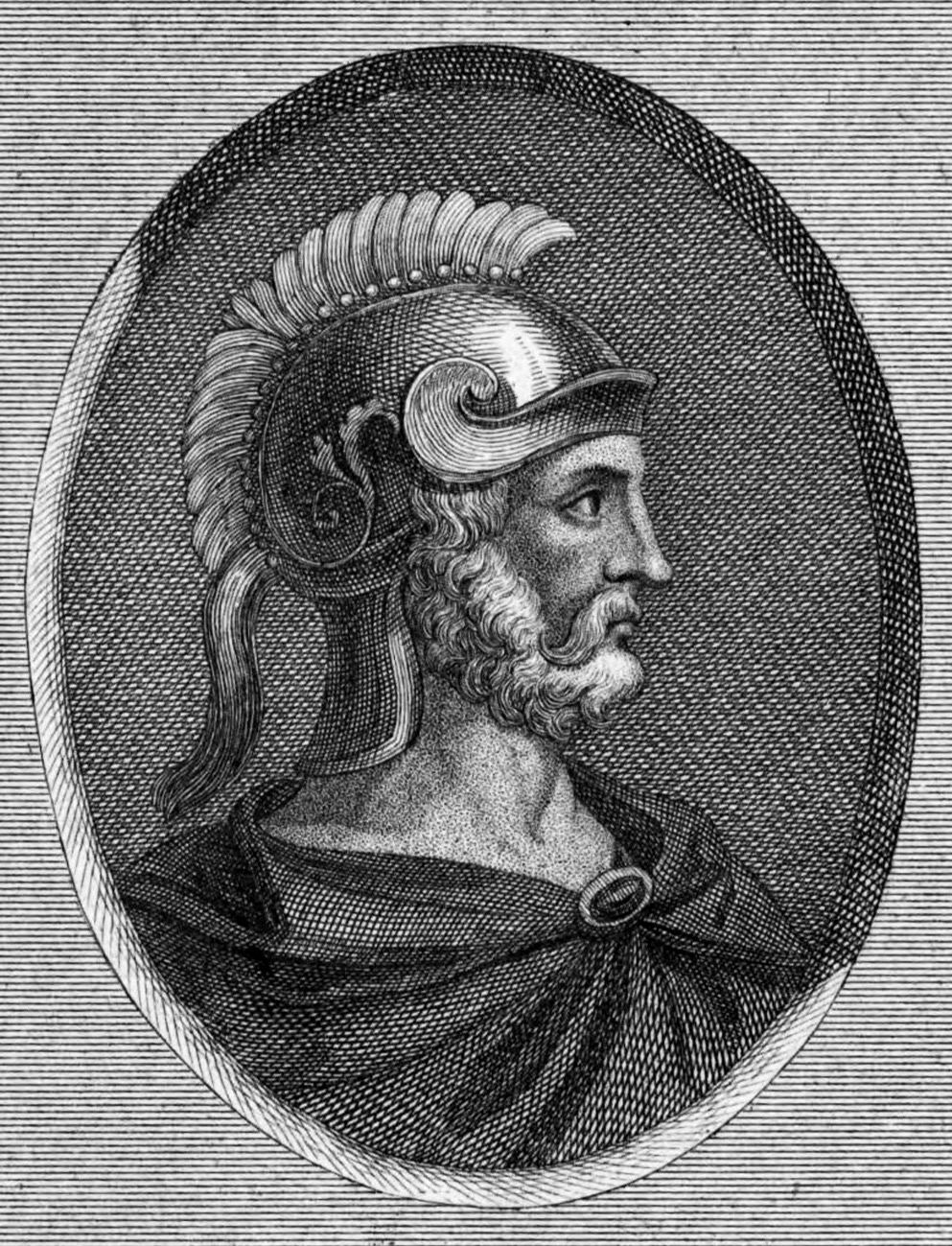
Hamilcar Barca
c. 275 – 228 BC · conquers Hispania
Hamilcar's wifeName unknown · mother of three sons and three daughters
A daughter
Bomilcarsuffete · marriage inferred by modern historians
Hanno
son of Bomilcar (Polybius) · leads the cavalry that crosses the Rhône upstream (218)
Hannibal
247 – 183 · the Alps, Cannae, then suffete
Imilcefrom Castulo in Hispania (Livy); the name Imilce comes from the poet Silius Italicus
A son?
born in Hispania around 218, according to Silius Italicus only; fate unknown
A daughter
promised during the Mercenary War
NaravasNumidian prince who joined Hamilcar (Polybius); his parents are unknown

Dashed: uncertain link, a modern reconstruction or known from a single late source. The names of Hamilcar's daughters have not come down to us.

Gaps in the tree

Why so many names are missing

Carthage's archives disappeared in 146 and its books were scattered. What we know of the Barcids comes from Greek and Roman authors, who cared about generals and rarely named women or children.

Hamilcar's fatherUnknown. Only a poetic tradition traces the family back to a companion of Elissa; the nickname Barca (“lightning”) is attested only from Hamilcar onwards.
The Barcids' motherUnknown: neither her name nor her origin is known.
The three daughtersTheir names have not come down to us. “Salammbô”, often presented as Hamilcar's daughter, is a character invented by Flaubert in his 1862 novel.
Naravas, BomilcarNeither their parents nor their descendants are known, apart from Hanno, son of Bomilcar.
Hannibal's childrenNo ancient historian mentions any. In Silius Italicus, Imilce bears him a son in Hispania whom the Carthaginian Senate wants to sacrifice: a poetic episode with no reliable historical value.
Hasdrubal, MagoNo known wives or children. After Hannibal's death in 183, the sources no longer mention any descendant of the Barcas.

Generals & figures

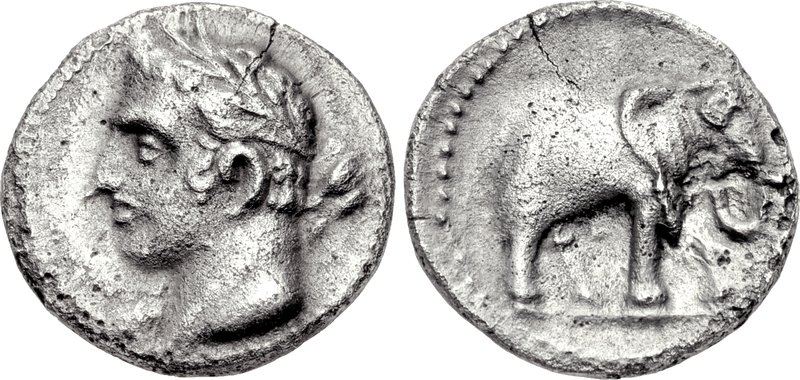
Barcid shekel
Cavalry general
Maharbal

“You know how to win a victory, Hannibal; you do not know how to use it,” he tells him after Cannae, according to Livy.

Cavalry commander at Cannae
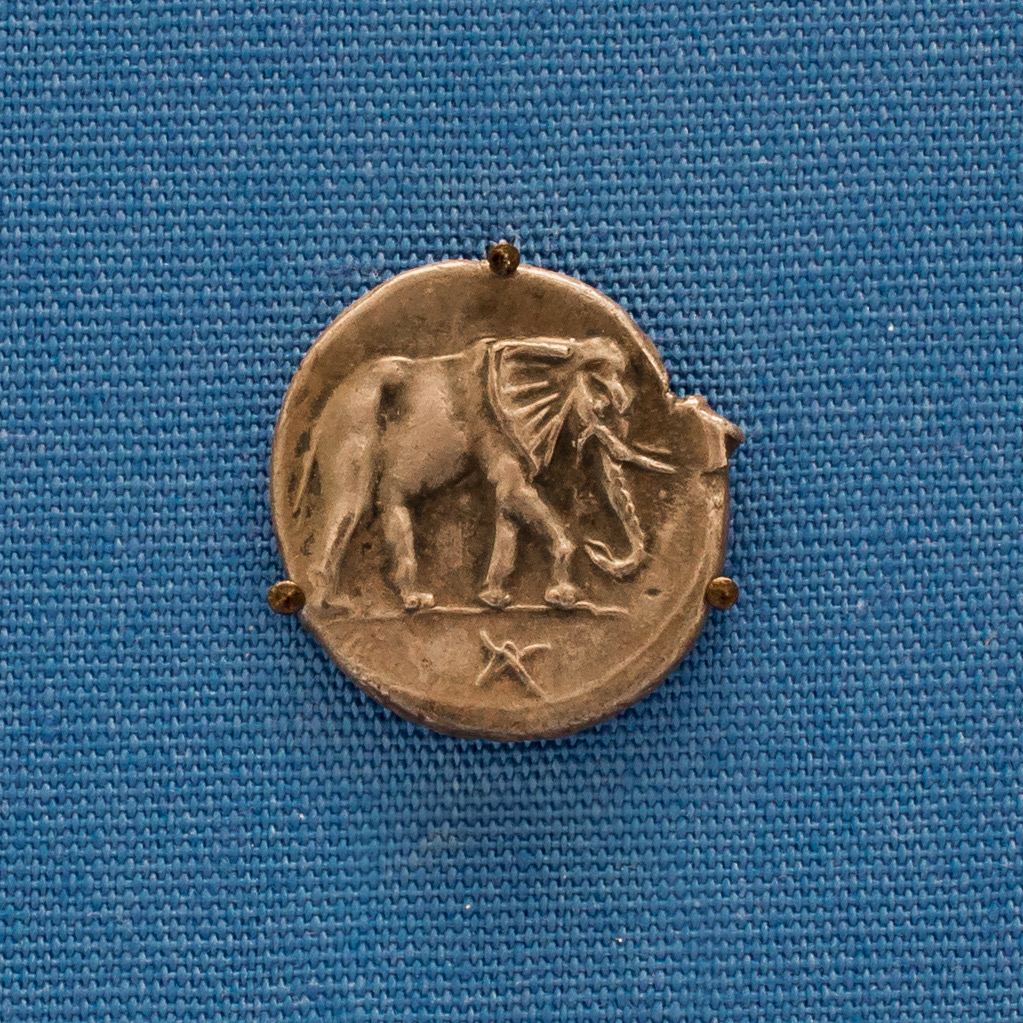
Barcid quarter shekel
General · Cannae
Hasdrubal (cavalry)

Commands the heavy cavalry that rides around the legions and closes the trap at Cannae.

Closes the trap at Cannae
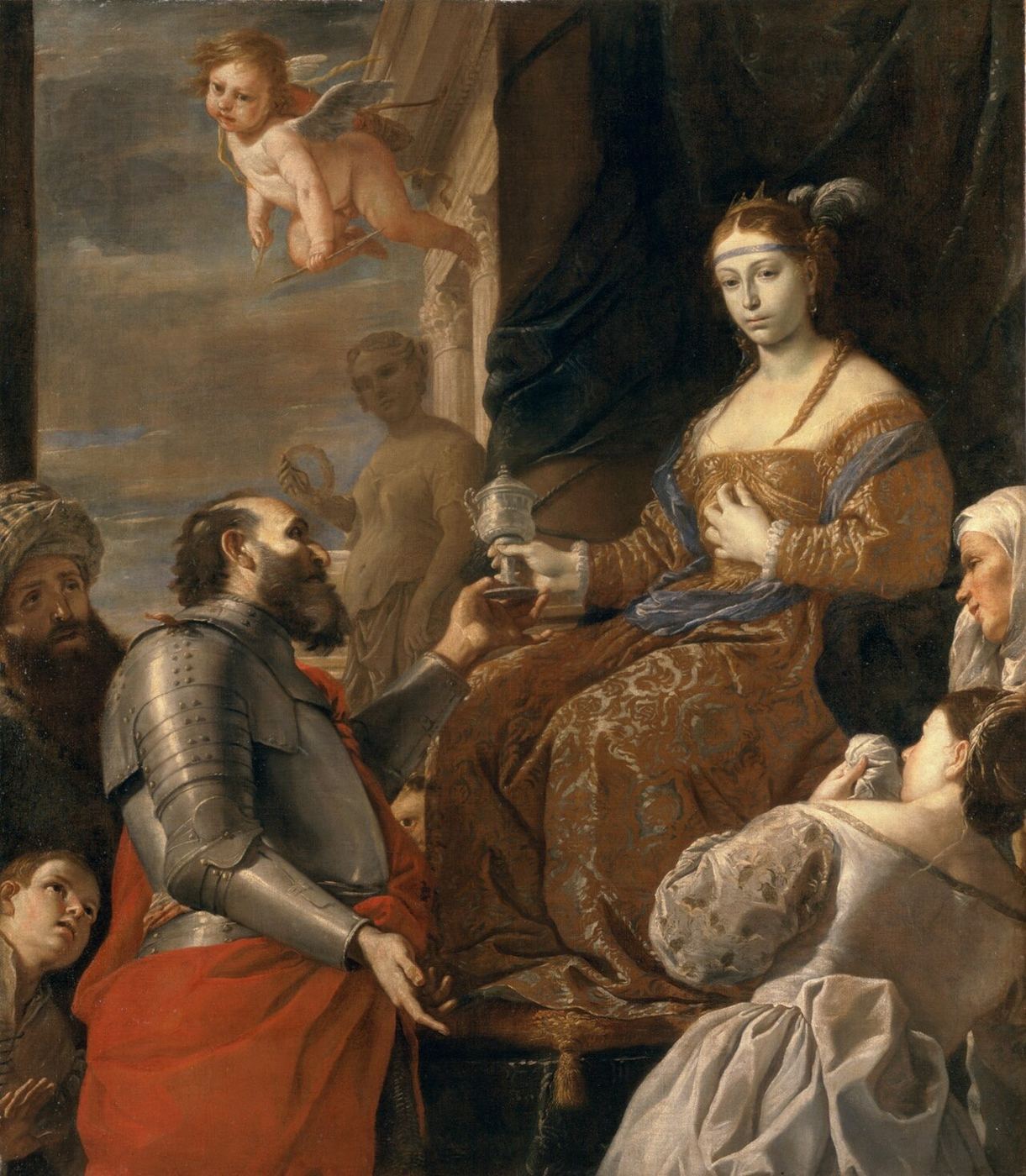
Sophonisba
General & queen
Hasdrubal Gisco & Sophonisba

He fights Scipio in Hispania and Africa; his daughter Sophonisba (c. 235 – 203) marries the Numidian king Syphax and chooses poison over Roman captivity.

The father and the Numidian queen
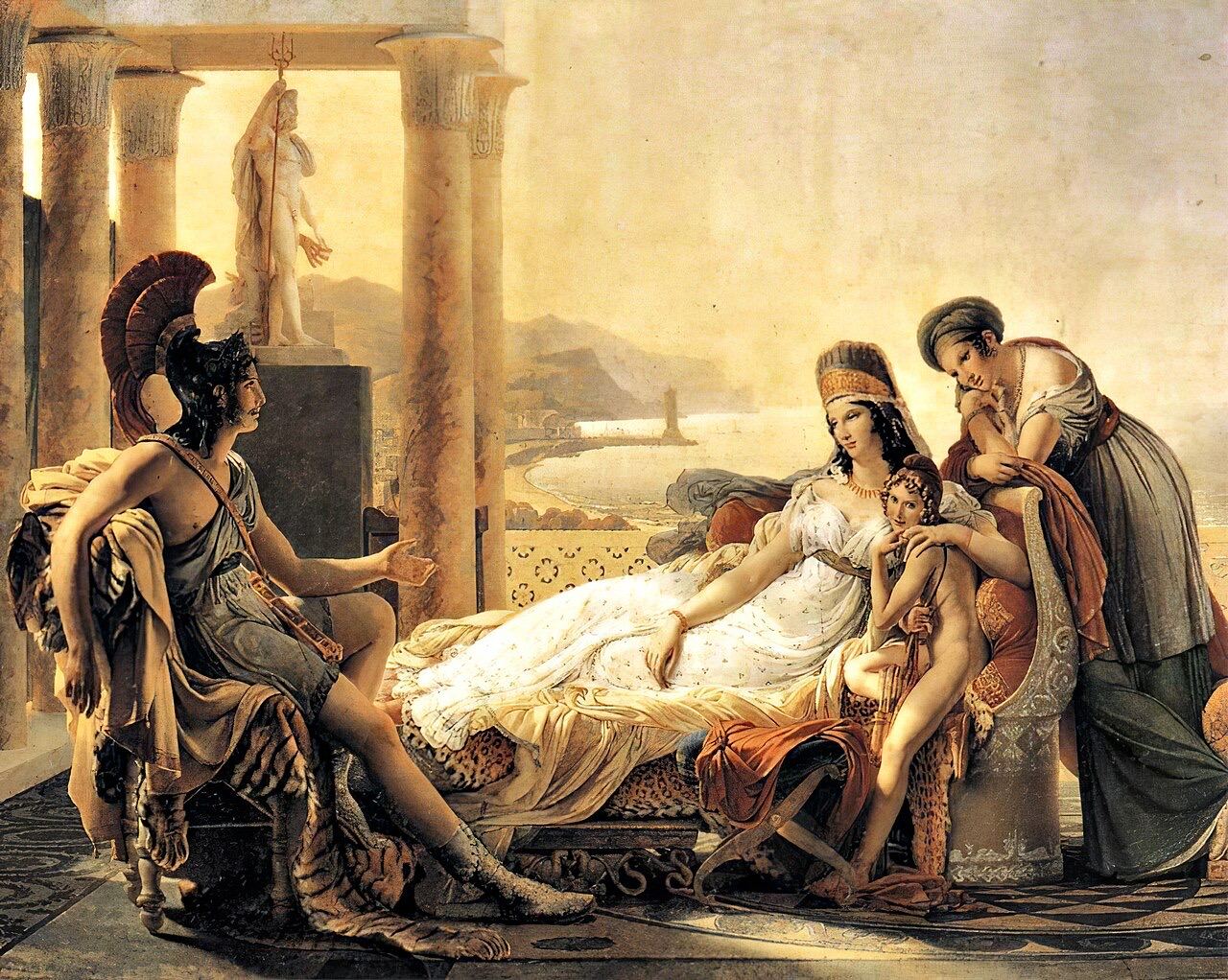
Dido
Founder · c. 814
Elissa / Dido

A princess of Tyre, she founds Carthage on the hill of Byrsa.

Founder · c. 814
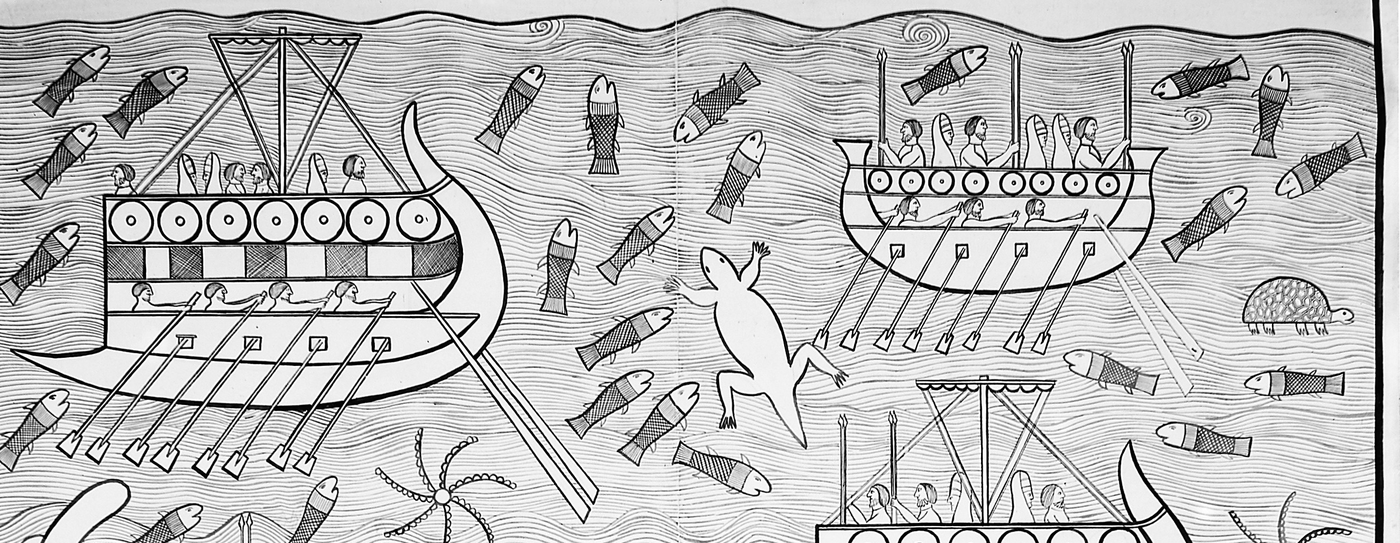
Punic galley
Navigator · 5th c.
Hanno

Sails along West Africa with 60 ships, according to the Periplus attributed to him.

The Periplus to West Africa
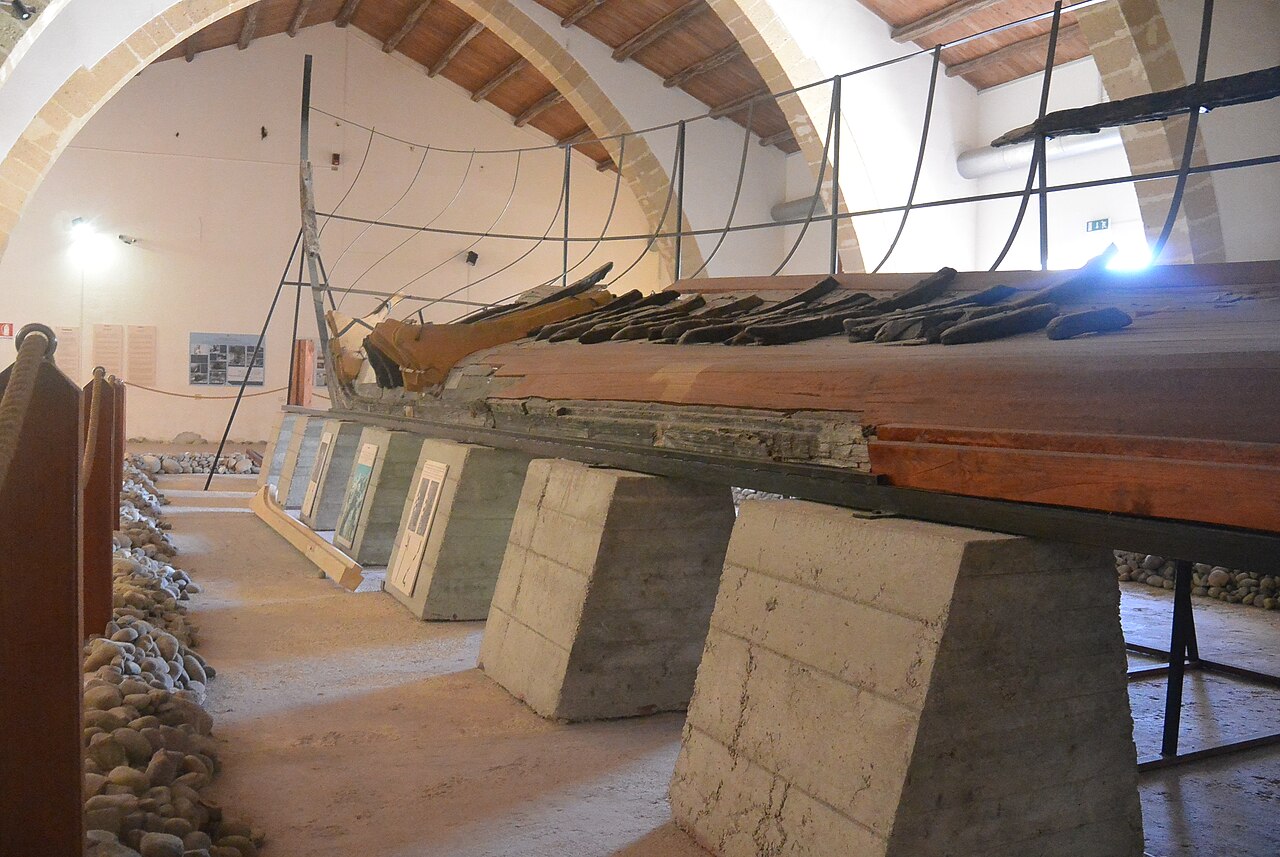
Bow of the Marsala Punic ship
Navigator · 5th c.
Himilco

Sails north up the Atlantic, along the tin route.

The tin route
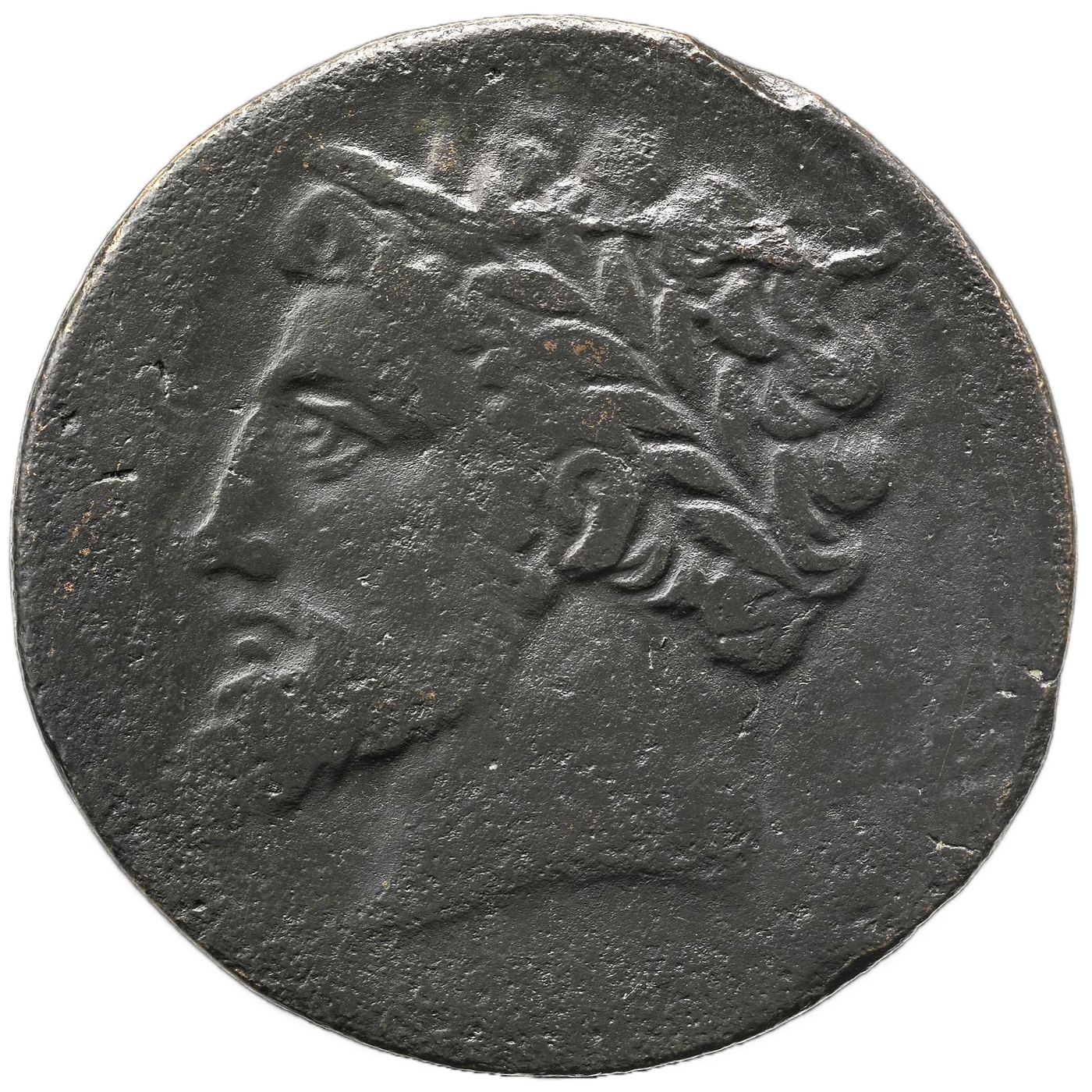
Masinissa
Ally, then rival · 238 – 148
Masinissa

A Numidian prince educated in Carthage, he goes over to Rome's side and decides the battle of Zama. King of Numidia for over fifty years, he nibbles away at Carthaginian territory.

Ally, then rival
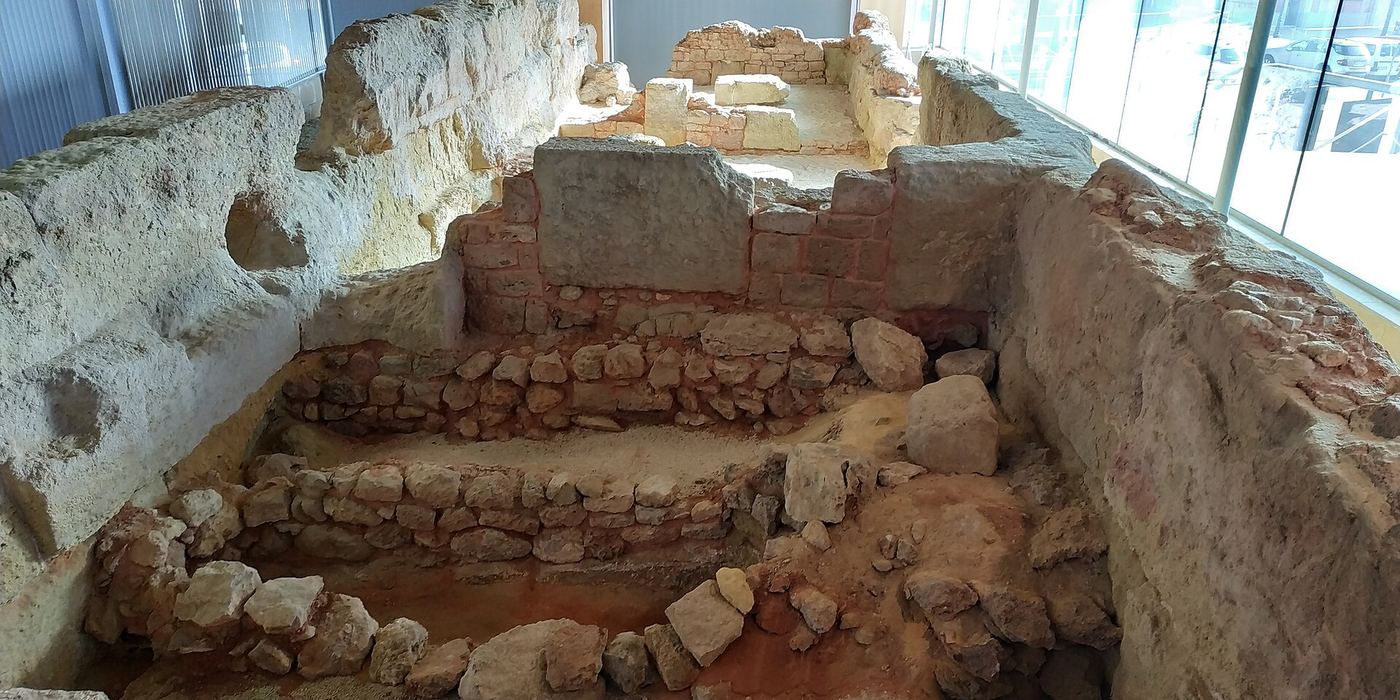
Punic wall of Cartagena
General · c. 270 – 221
Hasdrubal the Fair

Hamilcar's son-in-law, he succeeds him in Iberia, founds Cartagena and concludes the Ebro Treaty with Rome (226). Assassinated in 221.

Founder of Cartagena
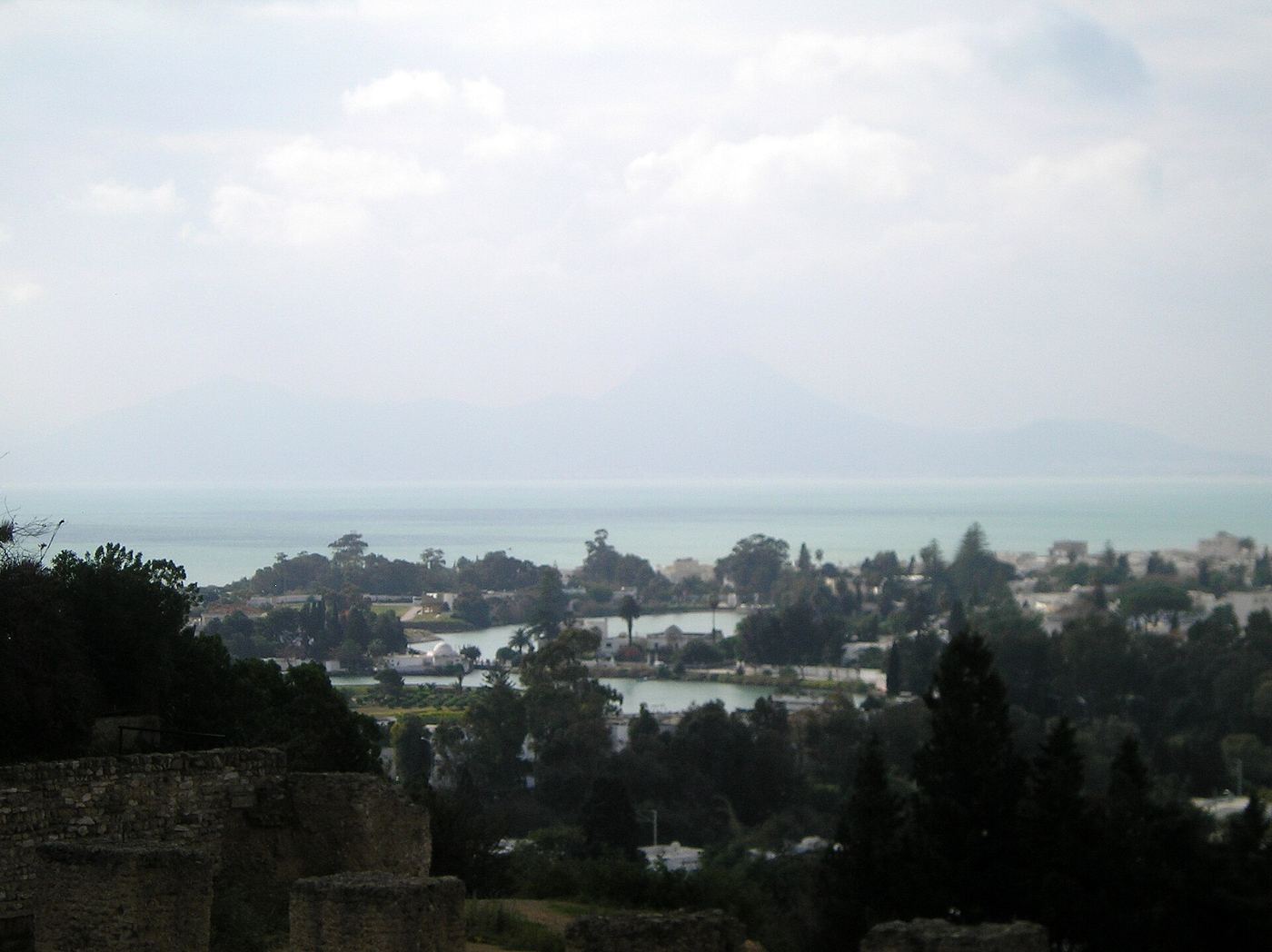
Byrsa hill, Carthage
Spartan mercenary · 255
Xanthippus

Hired by Carthage, he reorganises the army and crushes Regulus near Tunis in 255, saving the city from invasion.

Victor over Regulus, 255
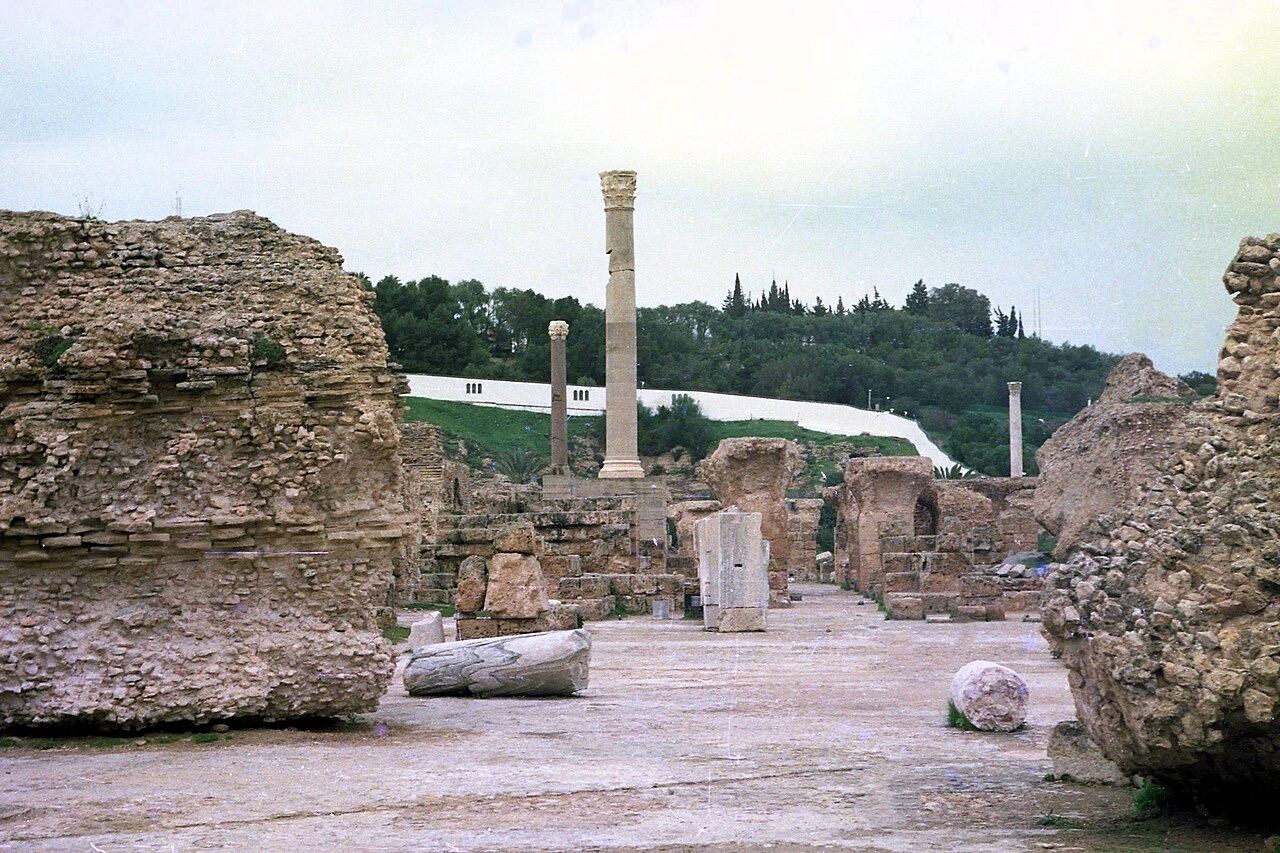
Ruins of Carthage
Last leader · 146
Hasdrubal the Boetharch

Leads the defence of the city through the three years of the final siege.

Defends Carthage, 149–146
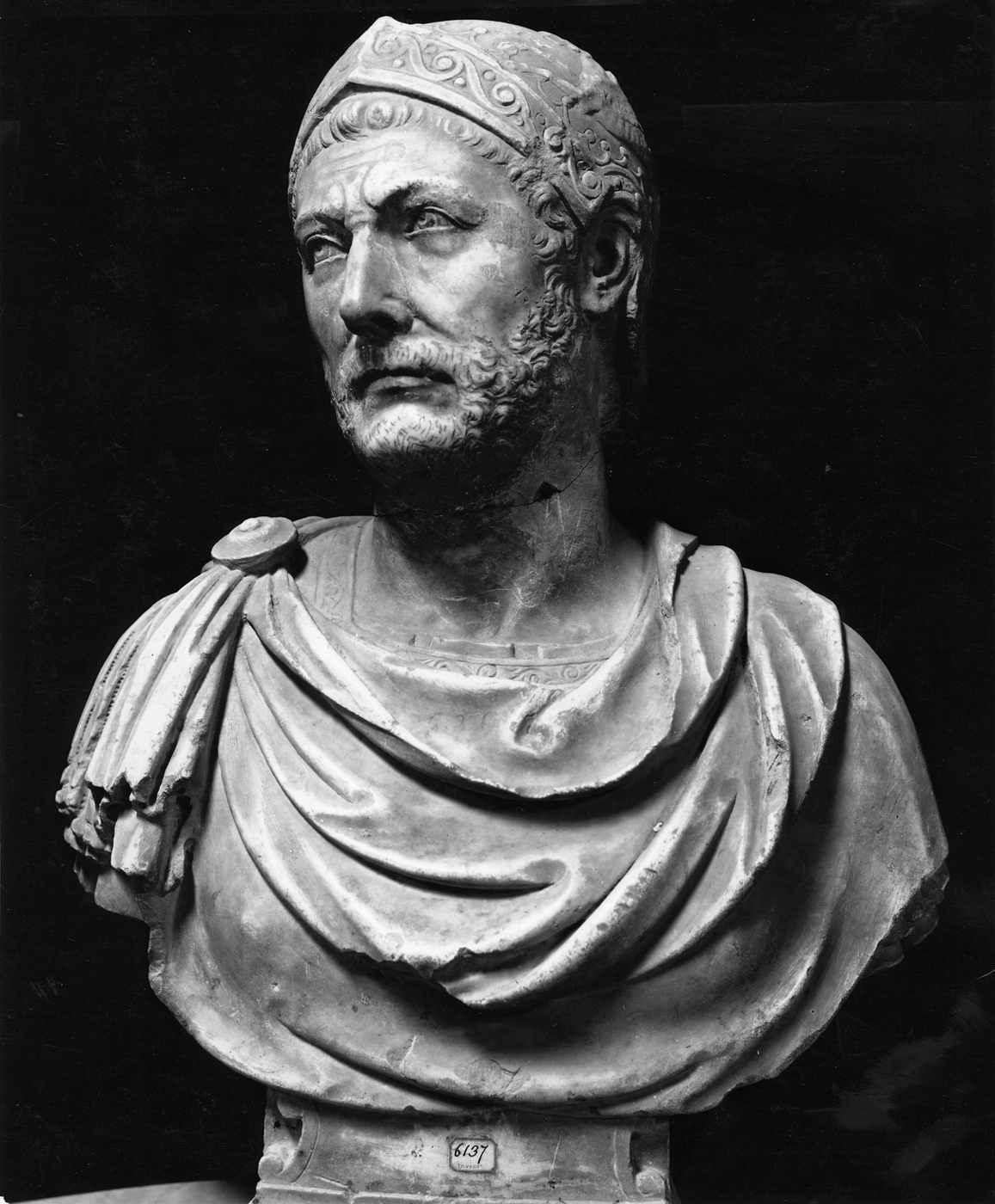
Bust of Hannibal
General · 247 – 183
Hannibal Barca

Crosses the Alps with his elephants and crushes Rome at Cannae in 216 BC.

247 – 183
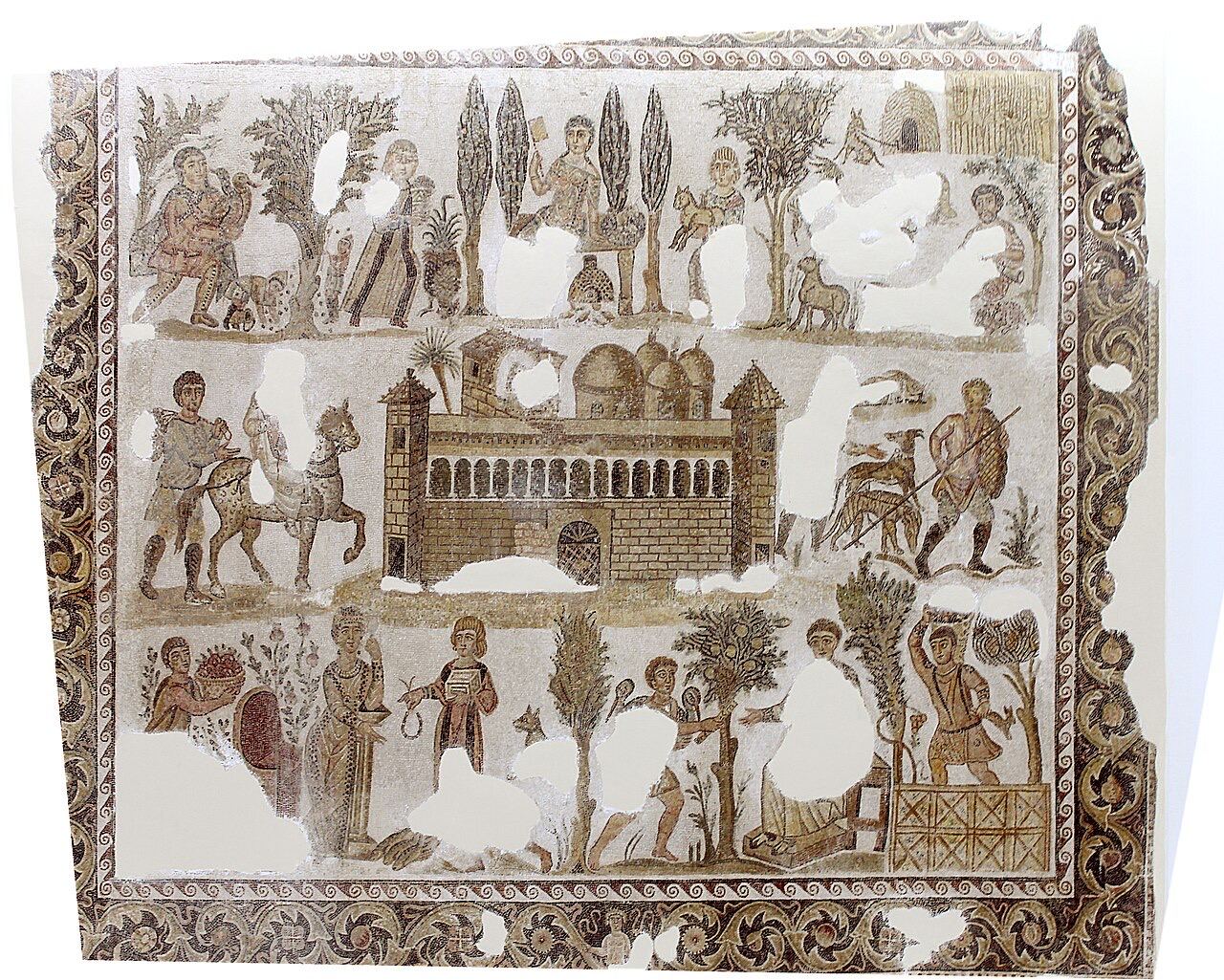
Farming mosaic, Carthage
Agronomist
Mago the Agronomist

Author of a 28-book treatise on agriculture, translated into Latin by order of the Senate.

The father of agronomy

Milestones

Six centuries of Carthaginian figures

c. 814
Elissa, princess of Tyre, founds Carthage on the hill of Byrsa: the legend of the oxhide cut into strips.
c. 500?
Hanno sails along the Atlantic coast of Africa with 60 ships and 30,000 colonists.
255
The Spartan Xanthippus, in Carthage’s service, crushes the consul Regulus before Tunis.
247 – 241
Hamilcar Barca wages guerrilla war in Sicily, from Eryx, until the end of the First Punic War.
241 – 238
Hamilcar crushes the revolt of the unpaid mercenaries.
237
Departure for Iberia; Hannibal, aged 9, swears never to be a friend of Rome.
228 – 221
Hamilcar drowns fighting the Iberians; Hasdrubal the Fair founds Cartagena and is then assassinated. Hannibal, 26, takes command.
218 – 216
The Alps, the Trebia, Trasimene, Cannae. Mago Barca pours out before the Carthaginian Senate the gold rings of slain Roman knights.
207
Hasdrubal Barca is killed at the Metaurus; the Romans throw his head into Hannibal’s camp.
203
Mago Barca, wounded in Liguria, dies at sea. Sophonisba takes poison.
202
Zama: Masinissa’s cavalry decides Scipio’s victory.
183
Hunted by Rome, Hannibal takes poison in Bithynia.
148 – 146
Death of Masinissa; Hasdrubal the Boetharch defends Carthage to the end.