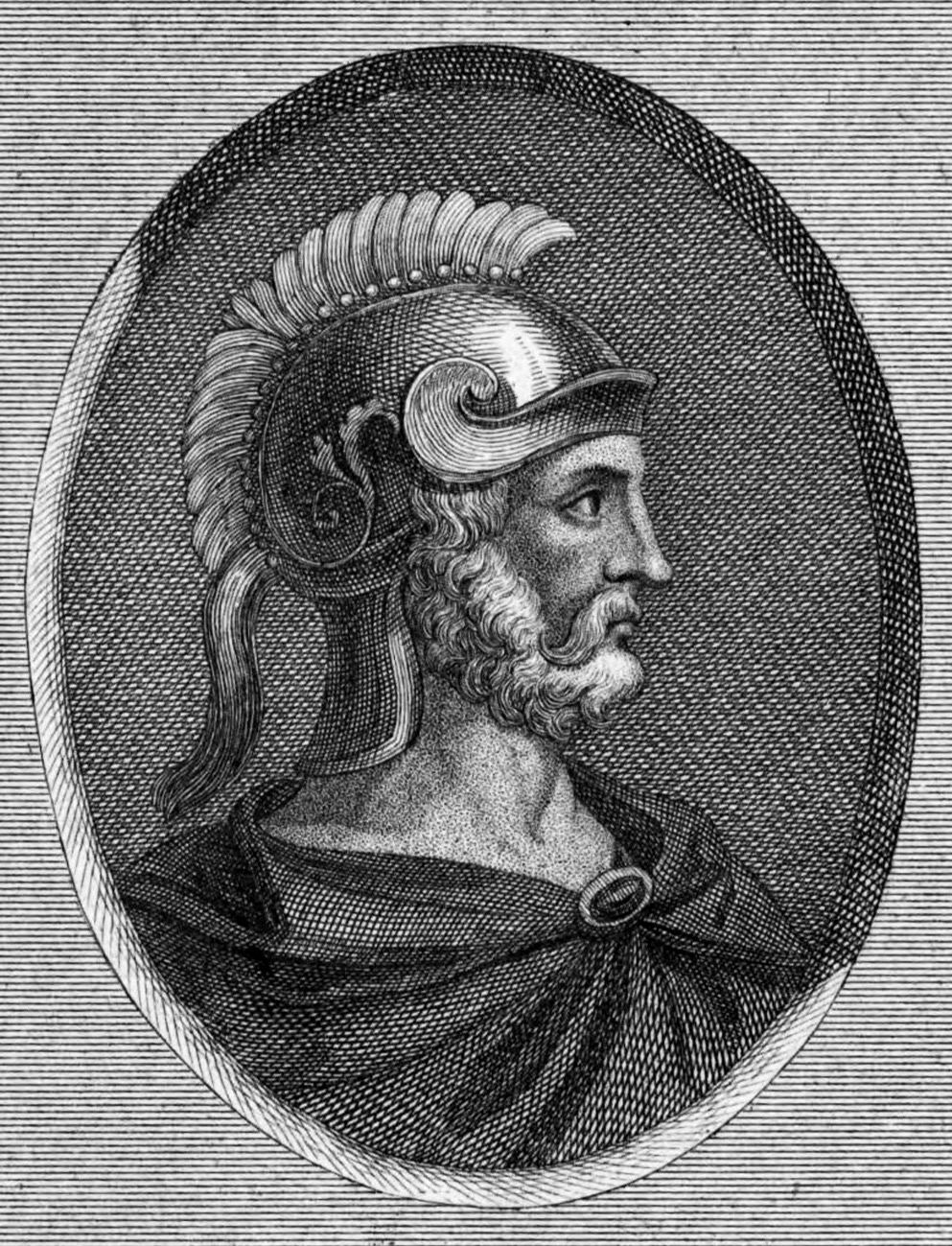
Hamilcar Barca
Barca, “the Thunderbolt” — undefeated general, father of a dynasty
Undefeated in Sicily, saviour of Carthage in the Mercenary War, builder of a new empire in Hispania: the man who turned defeat into the starting point of revenge — and who made his son Hannibal swear never to be a friend of Rome.
of war in Sicily (247–241) without ever being beaten
and four months of “truceless” war against the mercenaries (Polybius)
mercenaries wiped out at the pass of the Saw, according to Polybius
of conquest in Hispania (237–229/228) — also Hannibal’s age at the oath
A life in ten dates
The lightning of Sicily
Heircte (247–244), then Eryx (244–241): seven years of guerrilla war on an island almost entirely in Roman hands.
Throughout his campaign in Sicily, Hamilcar Barca was never defeated in battle. He mastered the art of guerrilla warfare, inflicting heavy losses on the Roman legions while keeping his own forces intact.
Operating from mountain strongholds — Mount Heircte above Palermo, then Eryx in the west of the island — he launched daring raids on Roman positions and supply lines, while his fleet ravaged the coast of Bruttium. His tactics made the Roman occupation of Sicily costly and bloody, forcing Rome to tie down whole armies just to hold its ground.
Polybius, though writing from the Roman side, rates him the best general of the whole war, for judgement as well as daring.
The myth of the Sicilian defeat
Hamilcar is often said to have been driven out of Sicily. In fact he was still unbeaten when the war ended: he gave up Sicily only because Carthage had lost its fleet at the Aegates Islands and could no longer supply him. Charged with negotiating, he refused to surrender his arms, and his men left the island as soldiers, not prisoners.
Saving Carthage from its own army
Back from Sicily, some 20,000 mercenaries demand their pay. Carthage, drained by the indemnity, stalls: revolt breaks out, soon joined by Libyan towns weary of tribute. The city is besieged at home, and its first general, Hanno, fails. Hamilcar is recalled.
Polybius calls it the “truceless” war, so extreme were its atrocities. Flaubert used it as the setting of Salammbô (1862).
The rebel leaders
Spendius, a runaway Campanian slave, and Mathos, a Libyan, lead the revolt; Utica and Hippou Acra are besieged.
Crossing the Bagradas
With 10,000 men and 70 elephants, Hamilcar crosses the river at its mouth by a ford the wind lays bare and defeats the rebels. The Numidian prince Naravas comes over to him with 2,000 horsemen.
The torture of Gisco
The rebels mutilate and kill Gisco and some 700 Carthaginian prisoners: from then on, no quarter is given on either side.
The pass of the Saw
Hamilcar traps Spendius’ army in a mountain defile, the Saw (Prion). Starving to the point of cannibalism, the rebels send their leaders to negotiate; Hamilcar detains them and destroys the army: over 40,000 dead according to Polybius.
Tunis and the end of Mathos
Spendius is crucified before Tunis. Mathos, beaten in a final battle, is captured and executed in Carthage. The city is saved — but Rome has used the crisis to take Sardinia.
The empire in Hispania
Stripped of Sicily and Sardinia, Carthage finds silver, men and a base in Hispania.
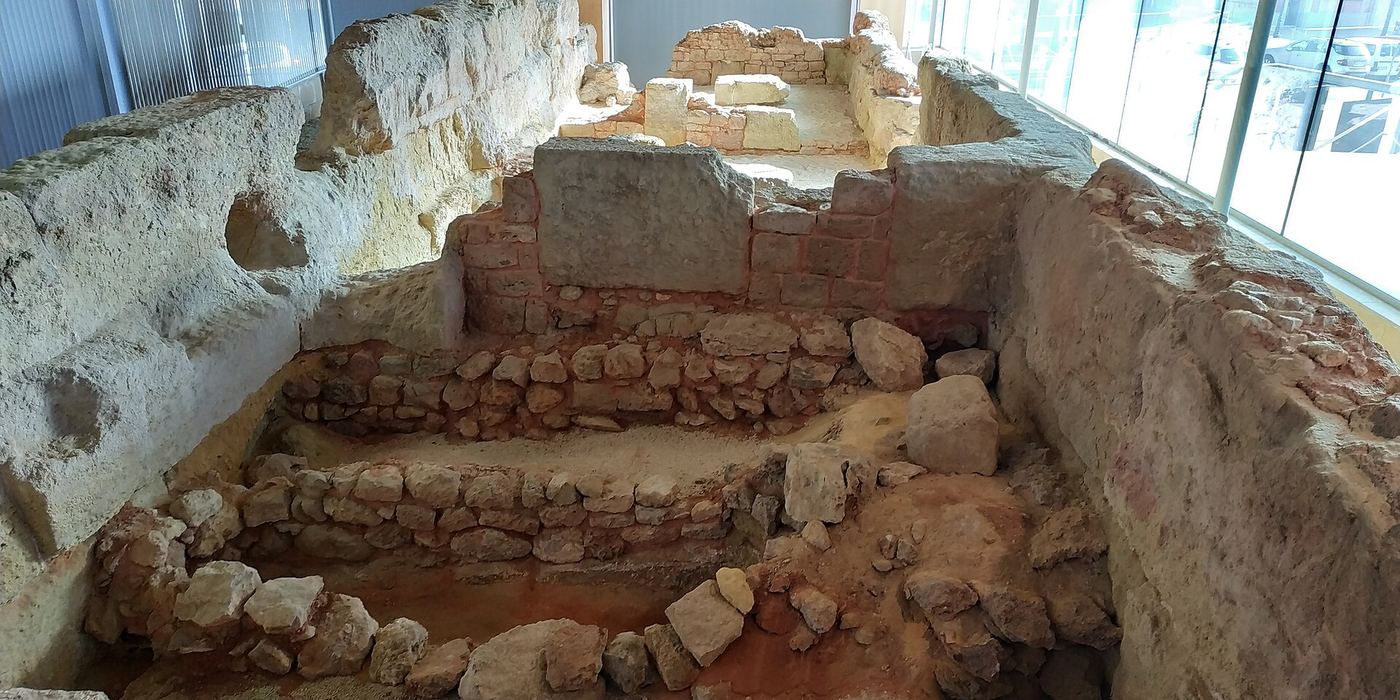
In 237 Hamilcar lands at Gades (Cádiz), an old Phoenician city. In nine years, by war and diplomacy, he subdues the Turdetani and the southern peoples — Diodorus names the chiefs Istolatios and Indortes — and takes control of the rich silver mines of the Sierra Morena.
There he builds the Barcid war machine: a seasoned professional army, loyal to the Barca family as much as to the Carthaginian Senate. This force would become the instrument with which Hannibal invaded Italy.
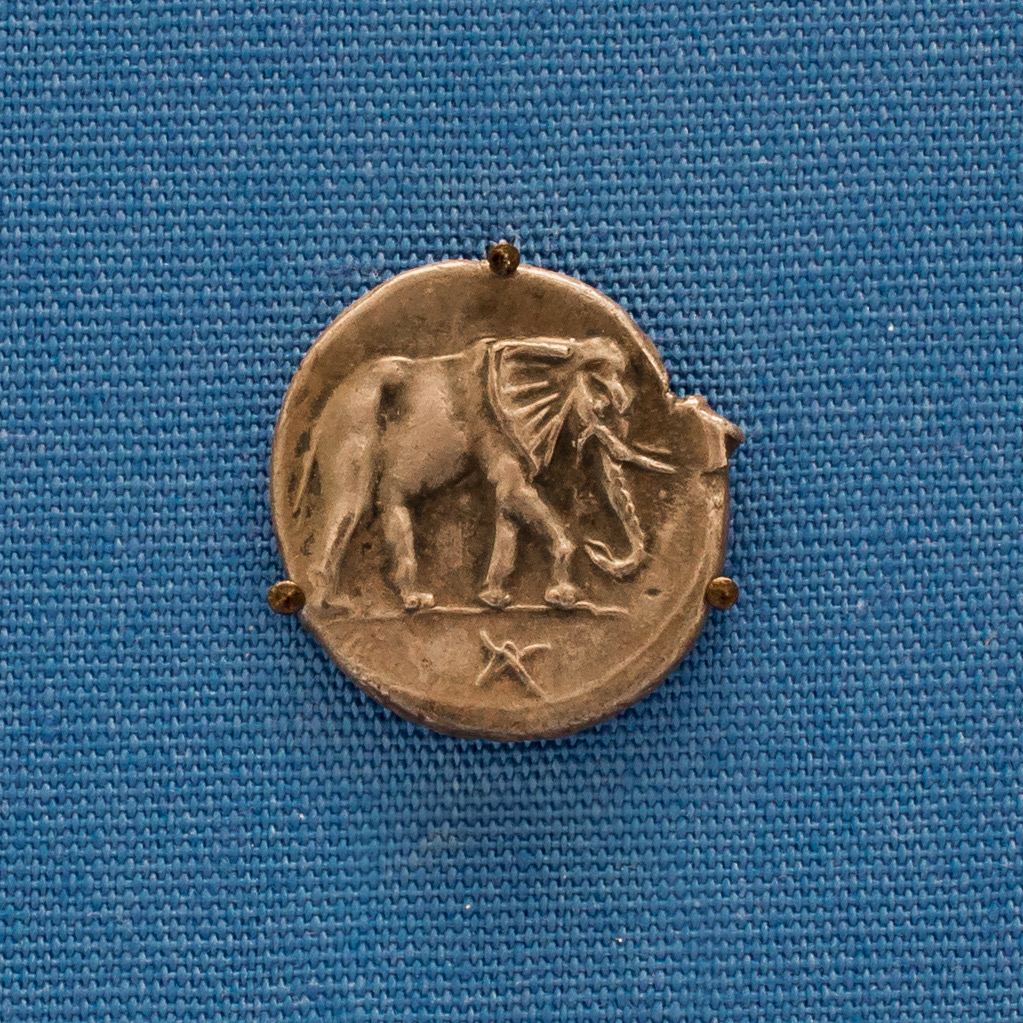
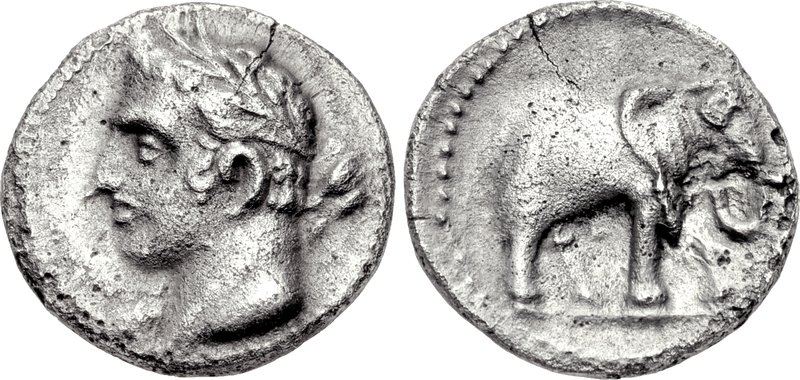
He founds Akra Leuke, “the White Cape” (perhaps near Alicante), and strikes high-quality silver coinage. To Roman envoys who came asking questions in 231, he replies that he is fighting the Iberians to pay what Carthage owes Rome.
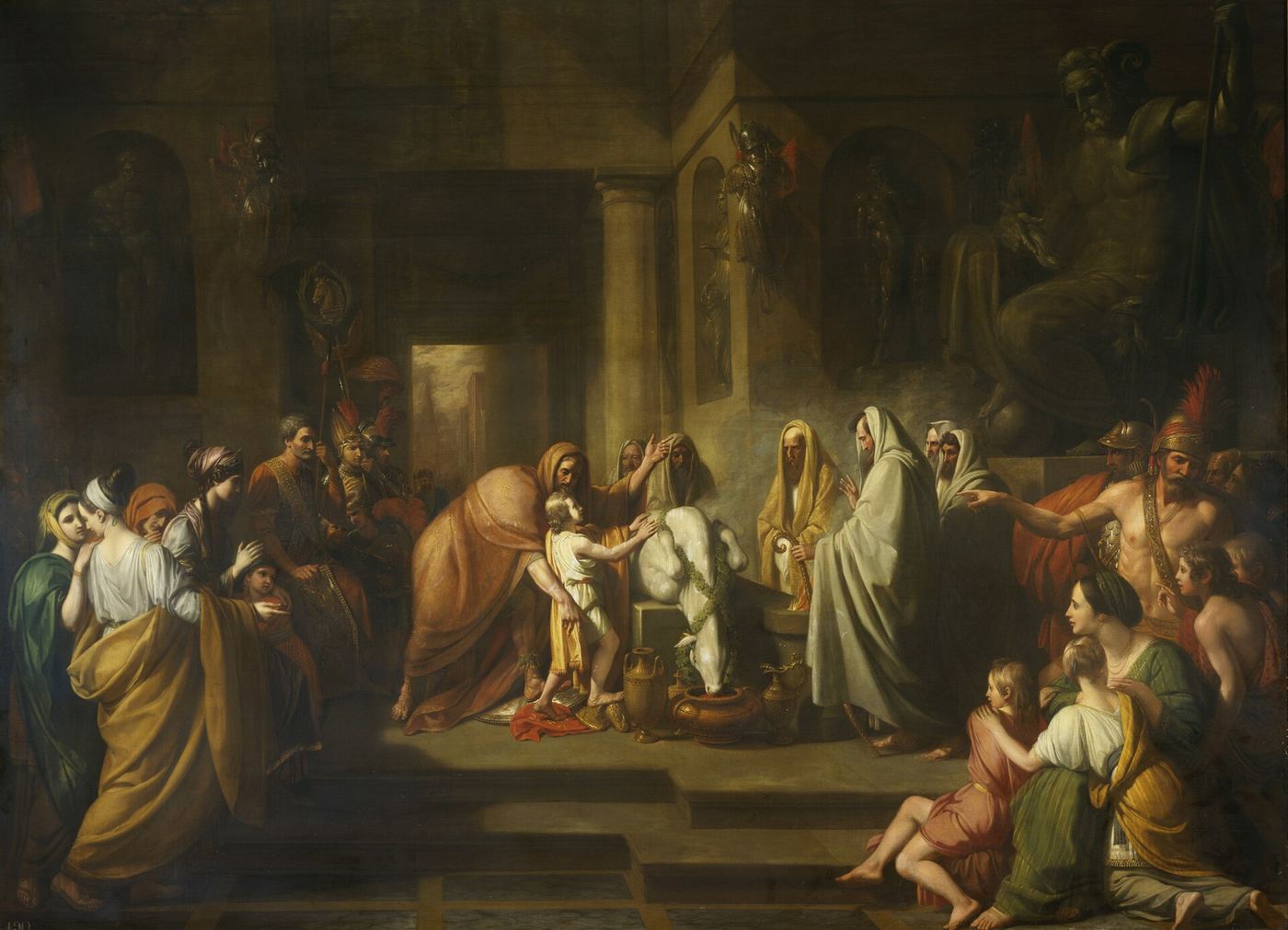
The oath
“When my father was about to set out for Iberia with his army, he was offering a sacrifice. He brought me to the altar, made me lay my hand on the victim and swear never to be a friend of the Romans.”
Hannibal to King Antiochus, after Polybius, Histories, III, 11
Livy repeats the scene (XXI, 1): the nine-year-old begs his father to take him along and swears “to be an enemy of the Roman people as soon as he could”. That oath, sworn before the gods of Carthage, would shape the destiny of the Mediterranean for a generation.
What the ancients said
“The best general of that war, for judgement as for daring, was Hamilcar, surnamed Barca.”
“No king deserved to be compared with Epaminondas, Pericles, Themistocles, Manius Curius or Hamilcar Barca.”
Looking at his sons, still children, Hamilcar used to say he was raising lion cubs for the ruin of the Roman empire.
The father of revenge
The Barcid army
A professional army, forged in Sicily, Africa and Hispania, bound to the Barca family: the tool of Cannae.
Punic Hispania
Silver mines, Iberian alliances, new cities: the base that let Carthage recover and Hannibal march on Rome.
A dynasty
Hannibal, Hasdrubal, Mago and his son-in-law Hasdrubal the Fair carry on his work. Polybius sees his anger as one of the causes of the Second Punic War.
The Barca family
All people →Hannibal Barca
The oath kept: the Alps, Trasimene, Cannae, then Zama.
The two Hasdrubals
Hasdrubal the Fair, founder of Cartagena, and Hasdrubal Barca, killed at the Metaurus.
Mago Barca
The ambush at the Trebia, the rings of Cannae, Liguria.