Hannibal
Barca
The strategist of Carthage
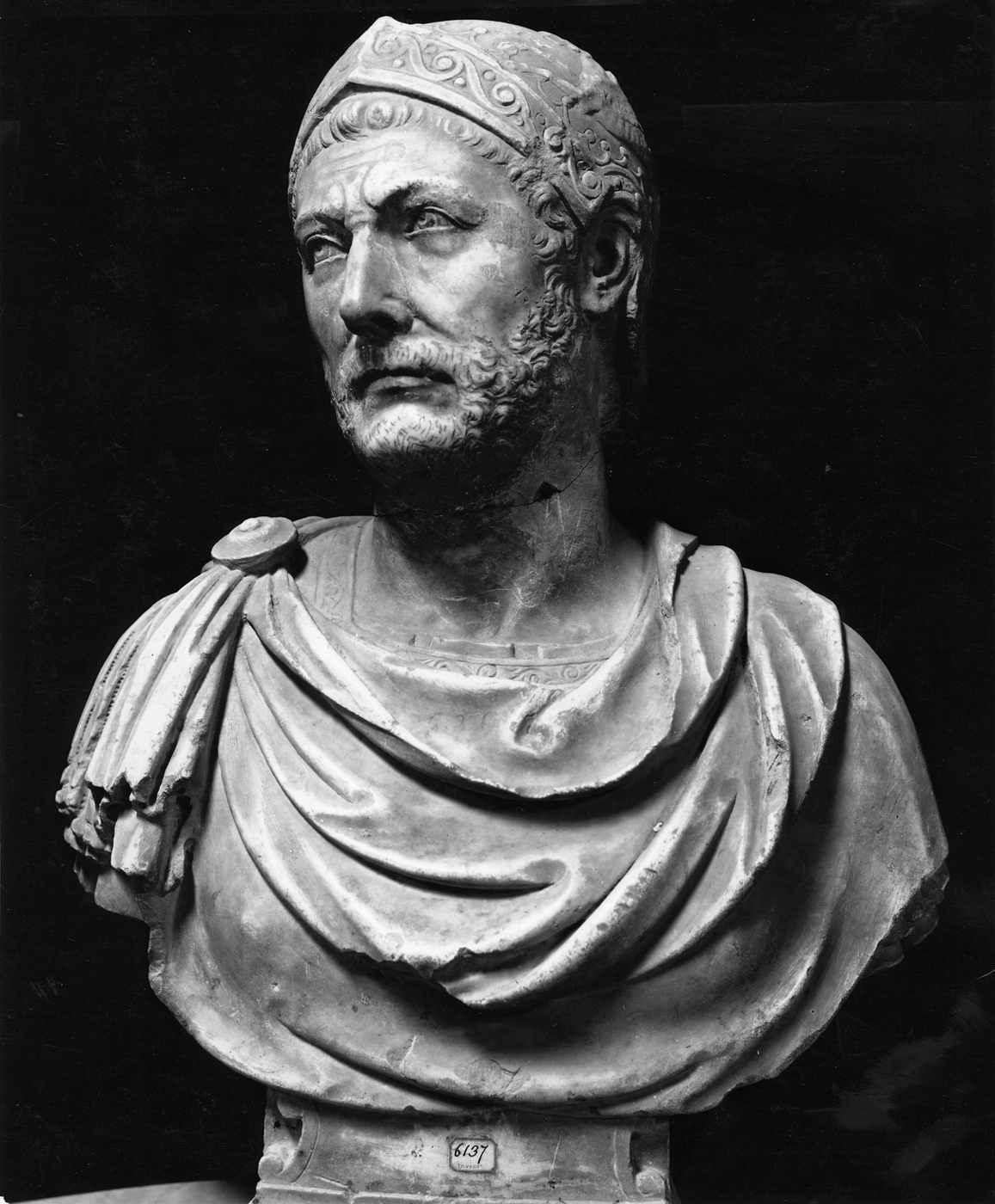
Son of Hamilcar, he crossed the Alps with his elephants and spent sixteen years in Italy without losing a pitched battle. Rome never forgot him.
Note — Everything we know about Hannibal comes from Greek and Roman authors writing on the winning side. We quote them, and read them closely.
years of campaigning in Italy (218–203), as the ancients counted
pitched battles lost in Italy
Romans killed at Cannae according to Polybius (48,200 according to Livy)
elephants when he left Spain in 218
The oath
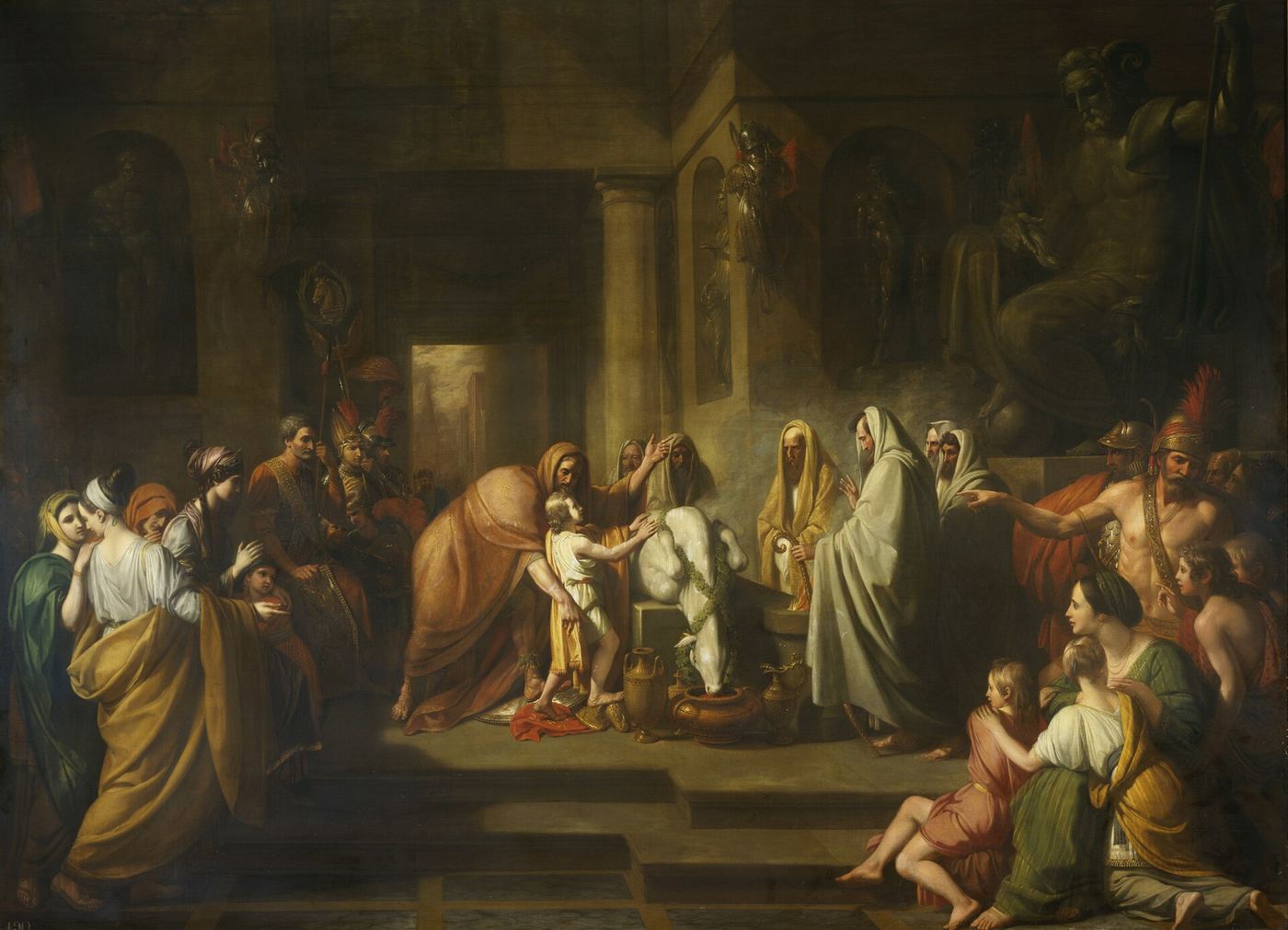
Before leaving for Spain, Hamilcar offered a sacrifice. His nine-year-old son begged to go with him; the father agreed on one condition: with his hand on the altar, the boy swore never to be a friend of the Romans. Hannibal himself told the story, decades later, to King Antiochus III.
« As soon as he could, he would be the enemy of the Roman people. »
Livy, XXI, 1 — see also Polybius, III, 11
A life in dates
What Rome leaves out
Our accounts come from Polybius, a friend of the Scipios, and from Livy, writing under Augustus. Both admire Hannibal, but Rome remains the hero: Hannibal is "cruel" and "treacherous" — charges his enemies laid against all Carthaginians.
Sixteen years in Italy with few reinforcements: the faction of Hanno the Great in Carthage opposed the war, and most of the troops sent went to Spain. Hannibal had to feed and pay his army on the spot.
Hannibal never lost a pitched battle in Italy. Rome beat him only by refusing to fight him, then by carrying the war to Spain and Africa.
Hannibal’s historians
Two Greeks travelled with Hannibal and wrote his history: Silenus of Kale Akte and Sosylus of Sparta, who had taught him Greek. Their books are lost; only the winners’ version survives.
The path of destiny
From Cartagena to Cannae: follow Hannibal’s campaign on the animated map, then the map of alliances.
Approximate borders based on historical syntheses (spheres of influence, not modern borders). Base map: Natural Earth. Ancient sites: customary locations.
From Cartagena to the Ebro
According to Polybius, Hannibal set out with some 90,000 infantry and 12,000 cavalry. After the Pyrenees he had about 50,000 infantry, 9,000 cavalry and 37 elephants.
The crossing
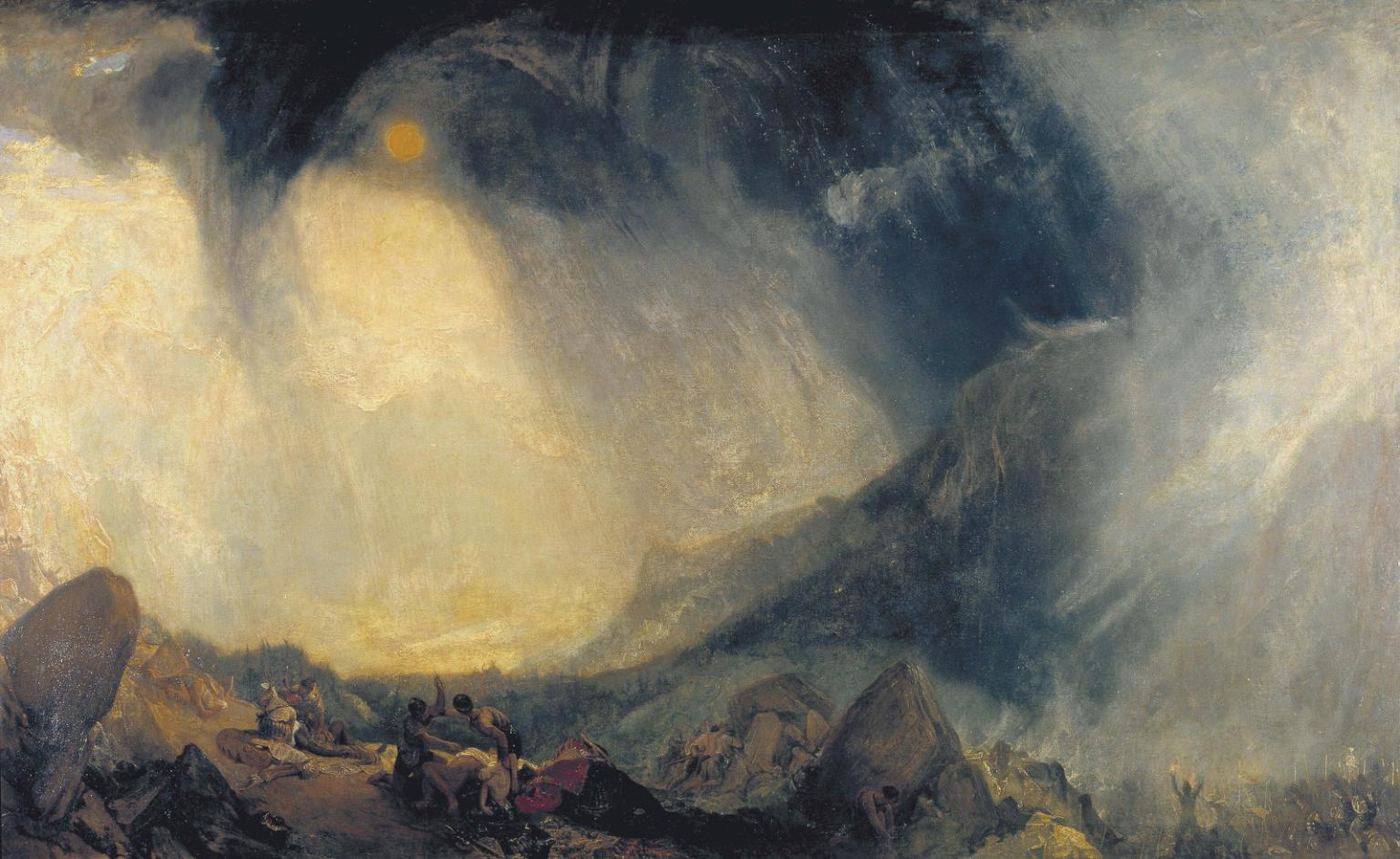
About fifteen days in the snow, under attack from mountain tribes. He reached Italy with some 20,000 infantry and 6,000 cavalry.
Sixteen years in enemy land
Joined by the Gauls of the Po valley, he marched down the peninsula, crushed three Roman armies and held southern Italy until 203.
The art of annihilation
The tactics in diagrams →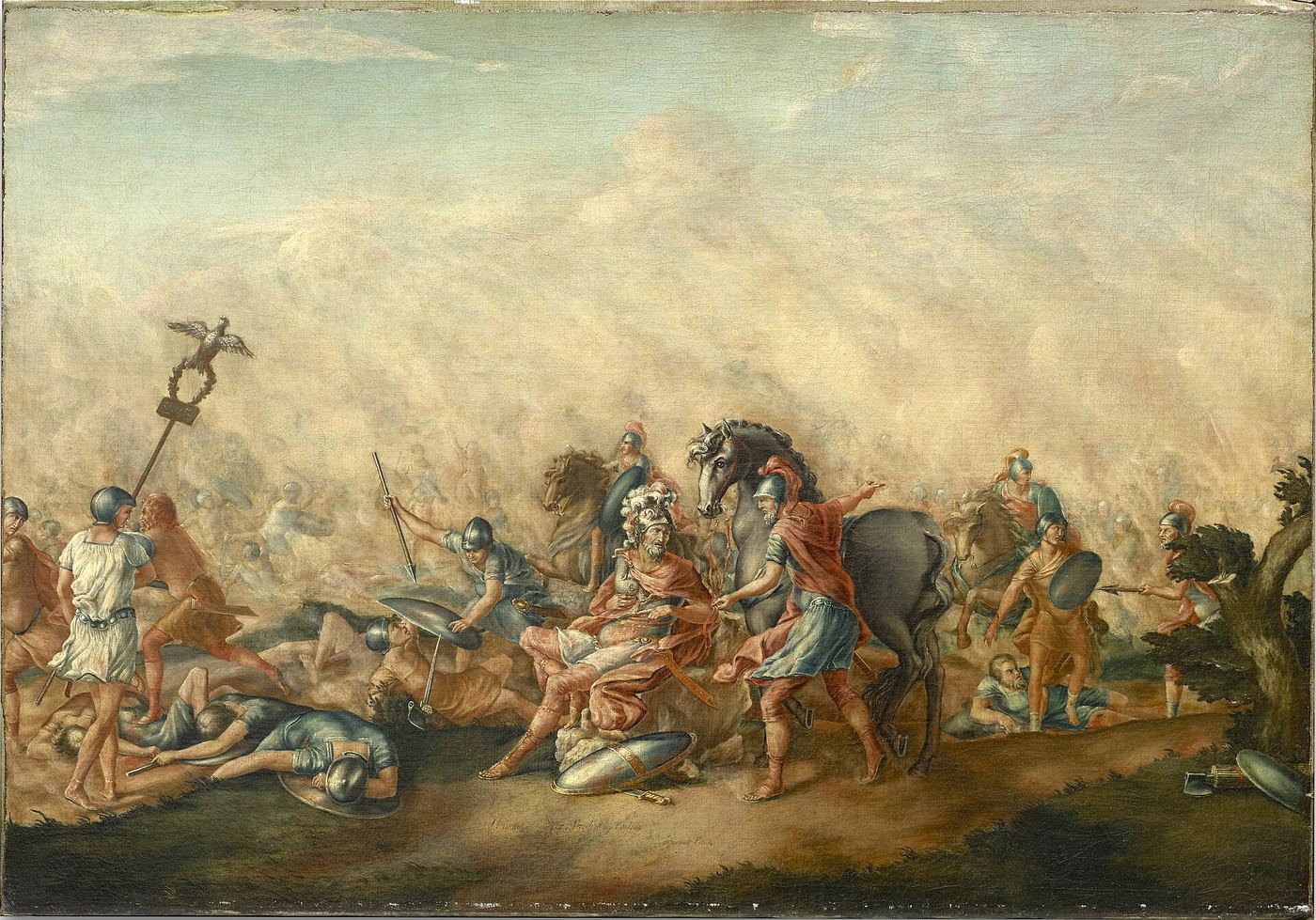
Cannae
The Gallic and Iberian centre deliberately gives ground in an arc; the Libyan infantry closes in on the flanks, and Hasdrubal’s cavalry seals the trap from behind. The most famous double envelopment in history.
The Ticinus
The first cavalry clash in Italy: the Numidian horse outflanks the Romans. The consul Publius Scipio is wounded and saved by his son — the future Africanus.
The Trebia
Hannibal lures the legions across the icy river; Mago, hidden with 2,000 men, strikes their rear. Only about 10,000 Romans manage to break through.
Trasimene
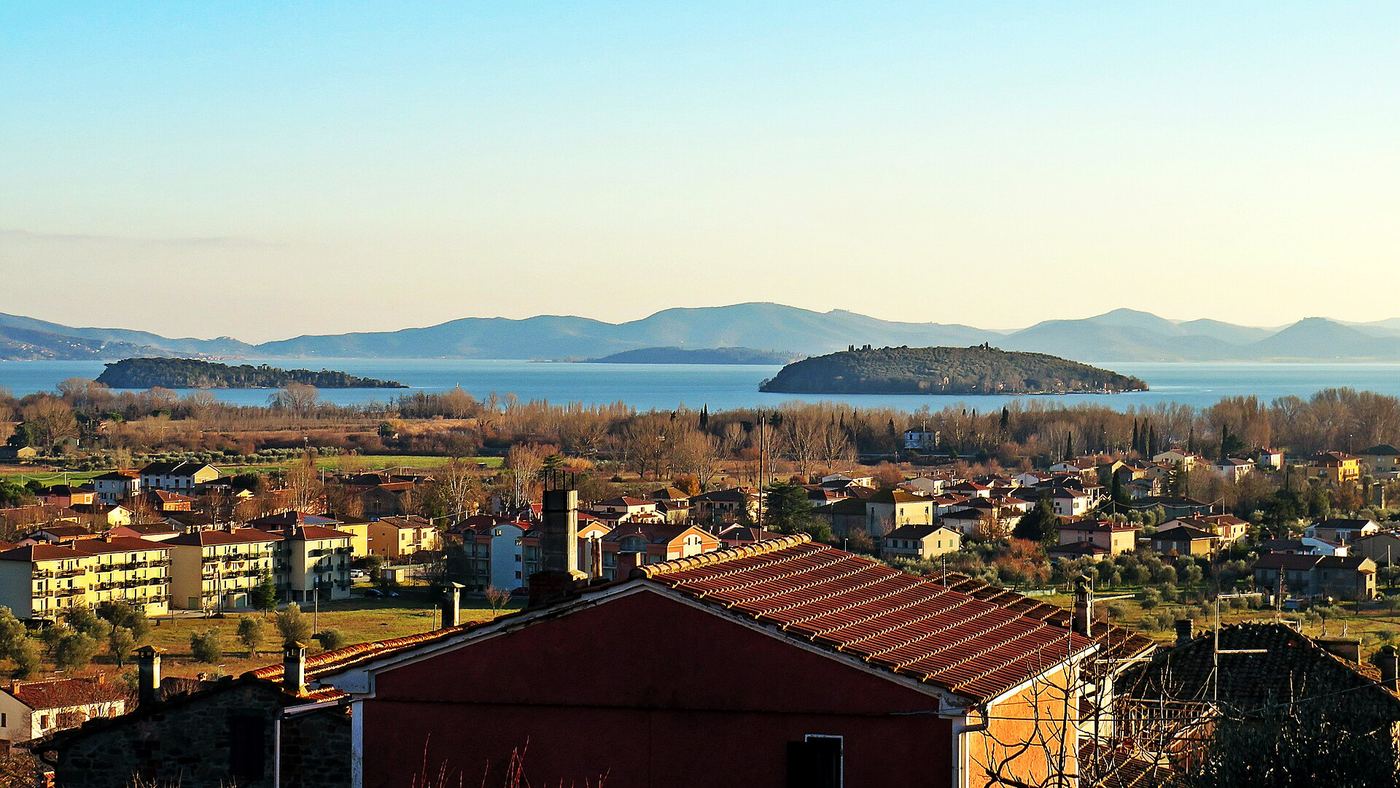
In the fog, between hills and lake, Flaminius’ army is caught in marching column: 15,000 killed, as many captured, the consul slain.
See Cannae, the Trebia and Zama move by move
The elephants and the Alpine crossing
Why didn't Hannibal enter Rome?
After Cannae, Rome seemed at his mercy. Five years later he camped at its gates. Yet no ancient source, not even a Greek one, has him enter the city. Here is what we know.
« Vincere scis, Hannibal ; victoria uti nescis. »
“You know how to win, Hannibal; you do not know how to use your victory” (Livy XXII.51). Livy adds that this day of delay saved Rome. Many modern historians think, on the contrary, that Hannibal was right not to attempt a siege.
- No siege engines: his army was built for pitched battle, not for besieging a great city.
- Walls over 10 km long, and a population able to arm new legions.
- An army of about 40,000 men, far from its bases, with no regular reinforcements by sea.
- His strategy targeted Rome's alliances, not the city: he wanted an imposed peace, not a conquest.
The trial of Gnaeus Fulvius
People sometimes mention a Roman general punished “after Hannibal arrived”. This is probably the praetor Gnaeus Fulvius Flaccus, beaten by Hannibal at Herdonea in Apulia and prosecuted in 211: he went into exile before the verdict (Livy XXVI.2–3). He was tried for losing his army, not for the fall of Rome. By contrast, the consul Varro, defeated at Cannae, was thanked by the Senate for “not despairing of the Republic”.
A story written by Rome
Our account comes from Polybius, a friend of the Scipios, and from Livy, the historian of Roman glory; Hannibal's own historians, Silenus and Sosylus, are lost. These texts must be read with care. But a capture of Rome would have left traces impossible to erase: the consuls, the Senate and the assemblies function without interruption throughout the war.
The victors' history →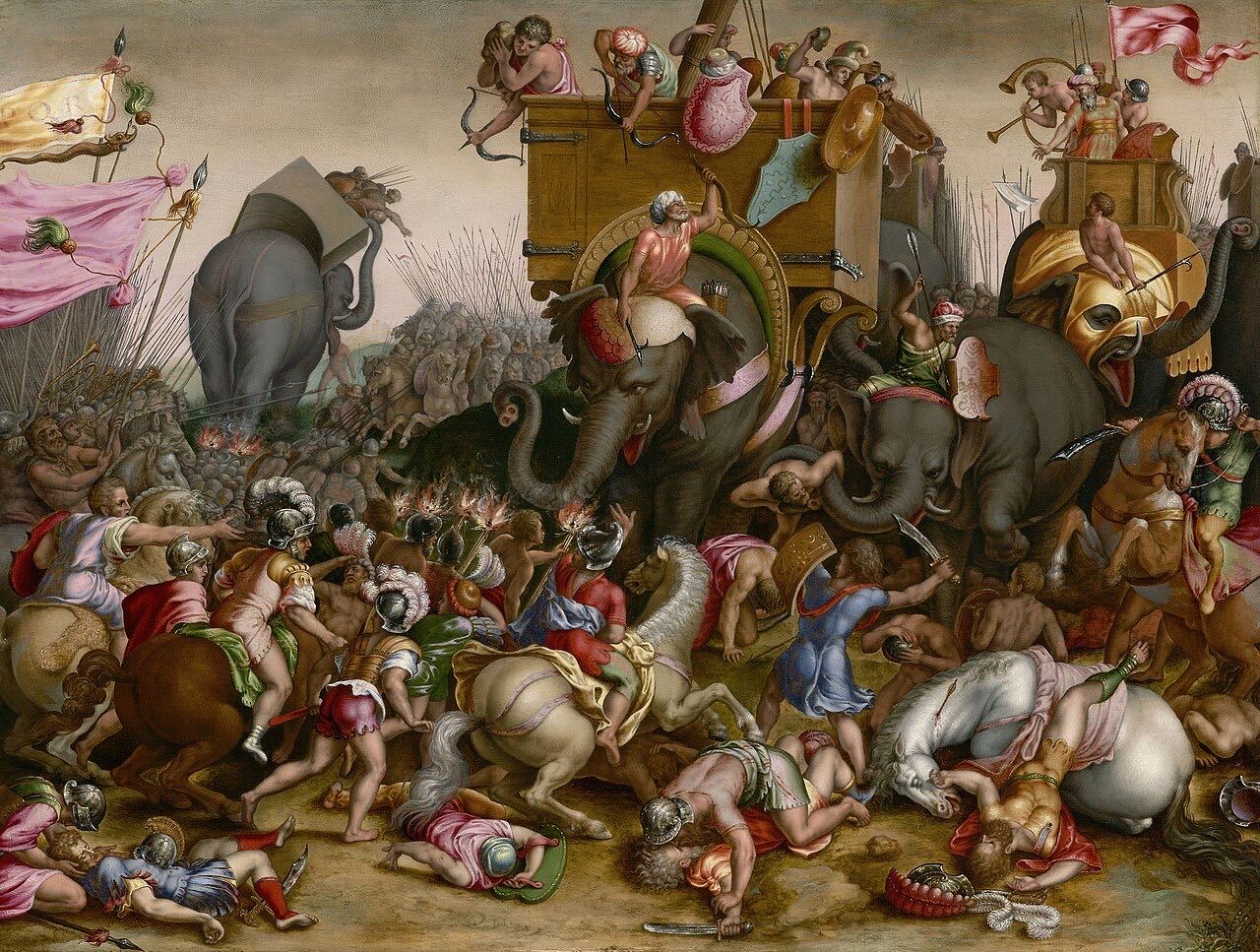
Zama: the reversal
Rome defeated Hannibal only in Africa, after turning Carthage’s best asset against it: the Numidian cavalry.
After Zama: suffete, exile, death
The reforming suffete
Elected suffete, Hannibal limited the judges of the Court of One Hundred and Four, hitherto appointed for life, to a one-year term, and pursued the embezzlement of public funds.
The result: Carthage could pay its indemnity to Rome without new taxes. His political enemies denounced him to Rome.
Exile
He fled via Tyre to the court of Antiochus III, whom he advised against Rome. In 190 he commanded a Seleucid fleet defeated by the Rhodians at the Eurymedon.
The Peace of Apamea demanded his surrender: he went to Crete, to Armenia and King Artaxias, then to Bithynia, where he beat the fleet of Pergamon by hurling jars full of snakes onto its ships (Cornelius Nepos).
Death
Rome sent Flamininus to demand the old general; King Prusias’ soldiers surrounded his house at Libyssa, near present-day Gebze in Turkey.
Hannibal took the poison he kept, it is said, in the bezel of his ring. He was about 64.
What the ancients said
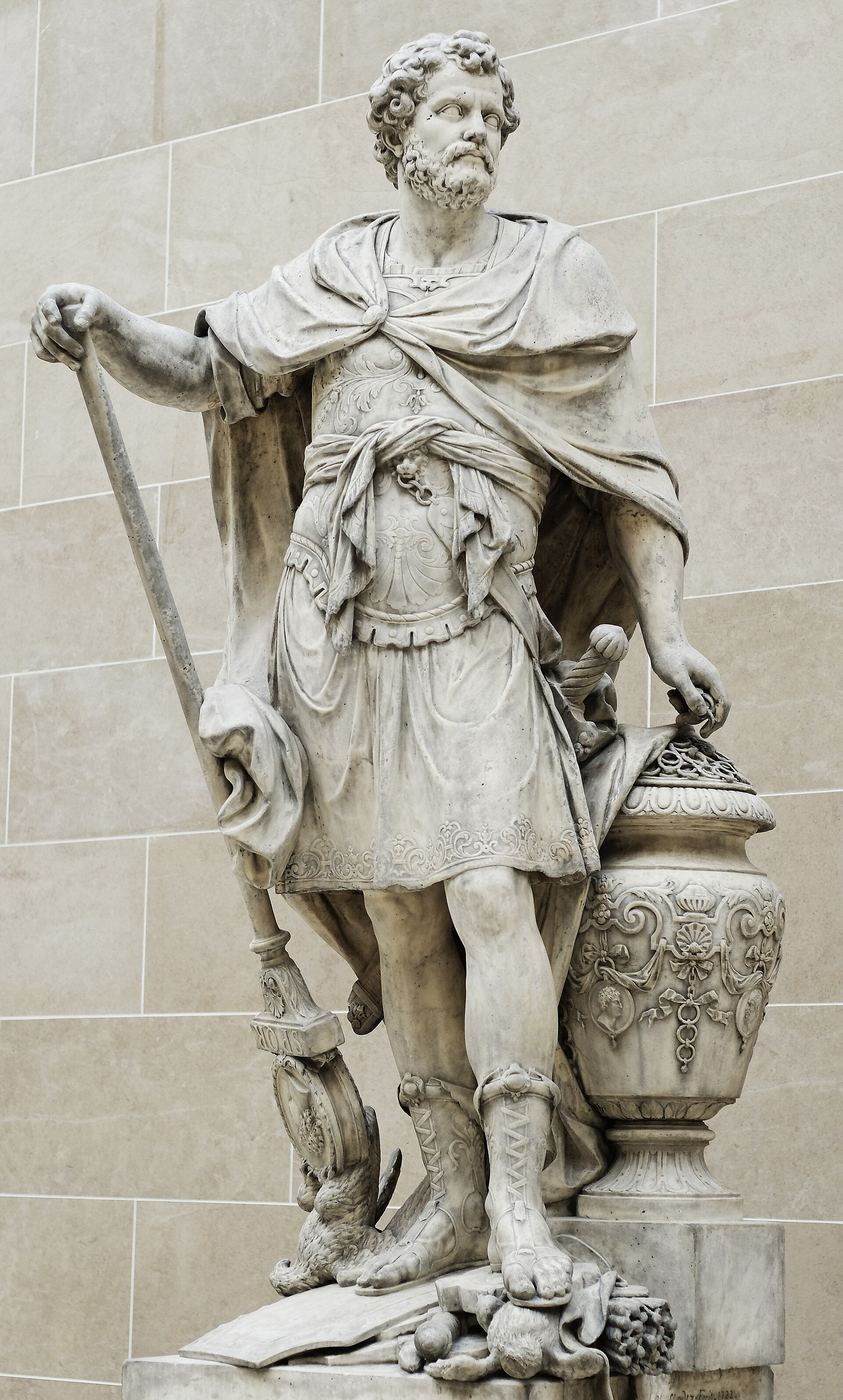
« He was the first to enter battle and the last to leave it. »
Livy, XXI, 4
« You know how to win a victory, Hannibal; you do not know how to use it. »
Maharbal on the evening of Cannae — Livy, XXII, 51
« For sixteen years he kept an army of so many peoples without a single mutiny against him. »
Polybius, XI, 19
« Let us relieve the Romans of their long anxiety, since they find it too long to wait for an old man’s death. »
Last words — Livy, XXXIX, 51
« I shall either find a way or make one. »
Attributed to Hannibal before the Alps (late tradition)
Legacy
Goya, Turner, David
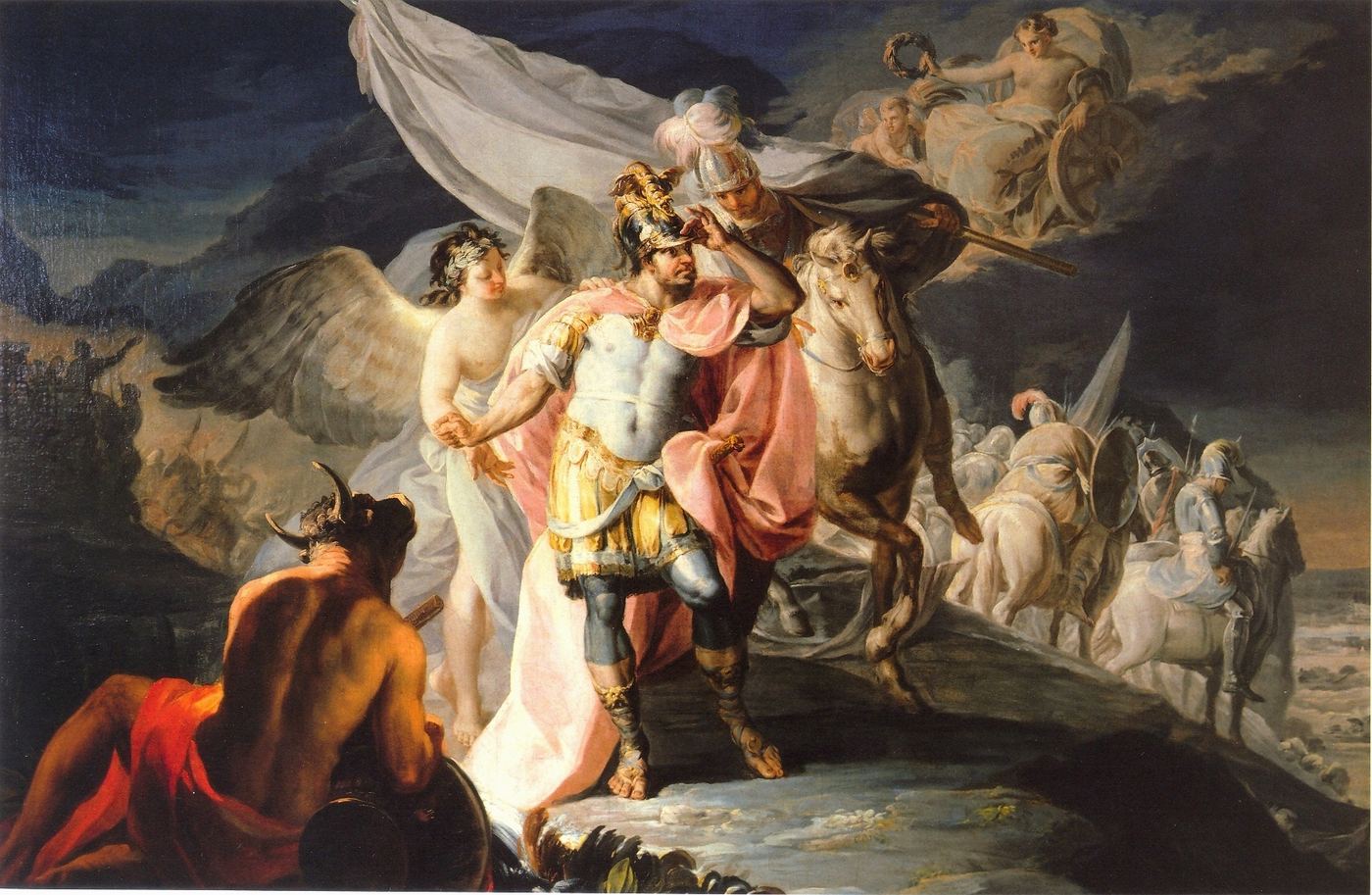
Goya (1771) painted him first sighting Italy from the Alps, Turner (1812) in the snow storm; in Napoleon Crossing the Alps (1801), David carved his name on a rock beneath Bonaparte’s.
Cannae, the absolute model
West Point, Sandhurst and academies worldwide still study Cannae. In the early 20th century the German chief of staff Schlieffen made it the model of the battle of annihilation.
Napoleon
Napoleon ranked Hannibal among the greatest captains in history, alongside Alexander and Caesar, and admired his Alpine crossing, which he repeated in 1800.
Read also
The Punic Wars
Three wars, a hundred and twenty years of duel between Carthage and Rome.
The army of Carthage
Libyans, Numidians, Iberians, Gauls, Balearic slingers: who fought for Hannibal.
Carthage on the map
Territories, Hannibal’s campaign, voyages and alliances, animated.