Carthage · Places

In the footsteps of Carthage

From Cartagena to Ibiza, from Kerkouane to Trasimene — and all the way to Missouri.

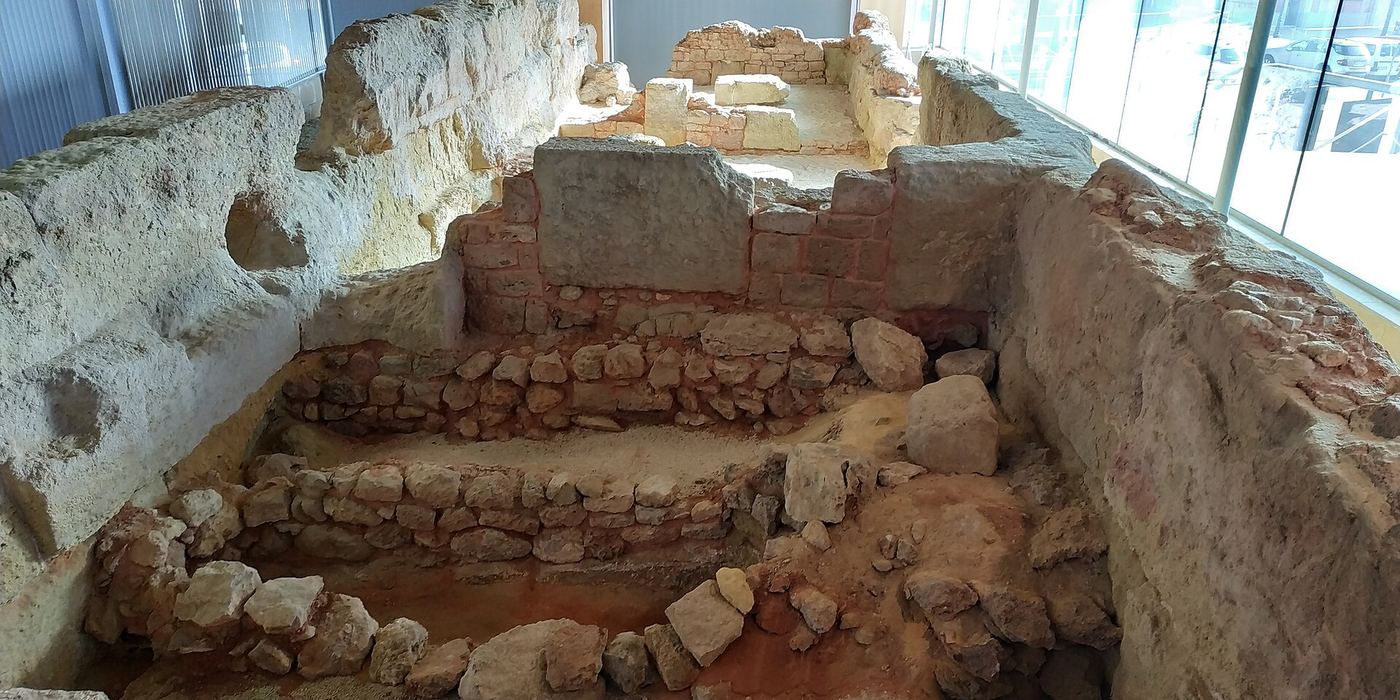
Punic wall of Cartagena
Punic wall of Cartagena (Qart Hadasht), Spain

The places

14 places shown

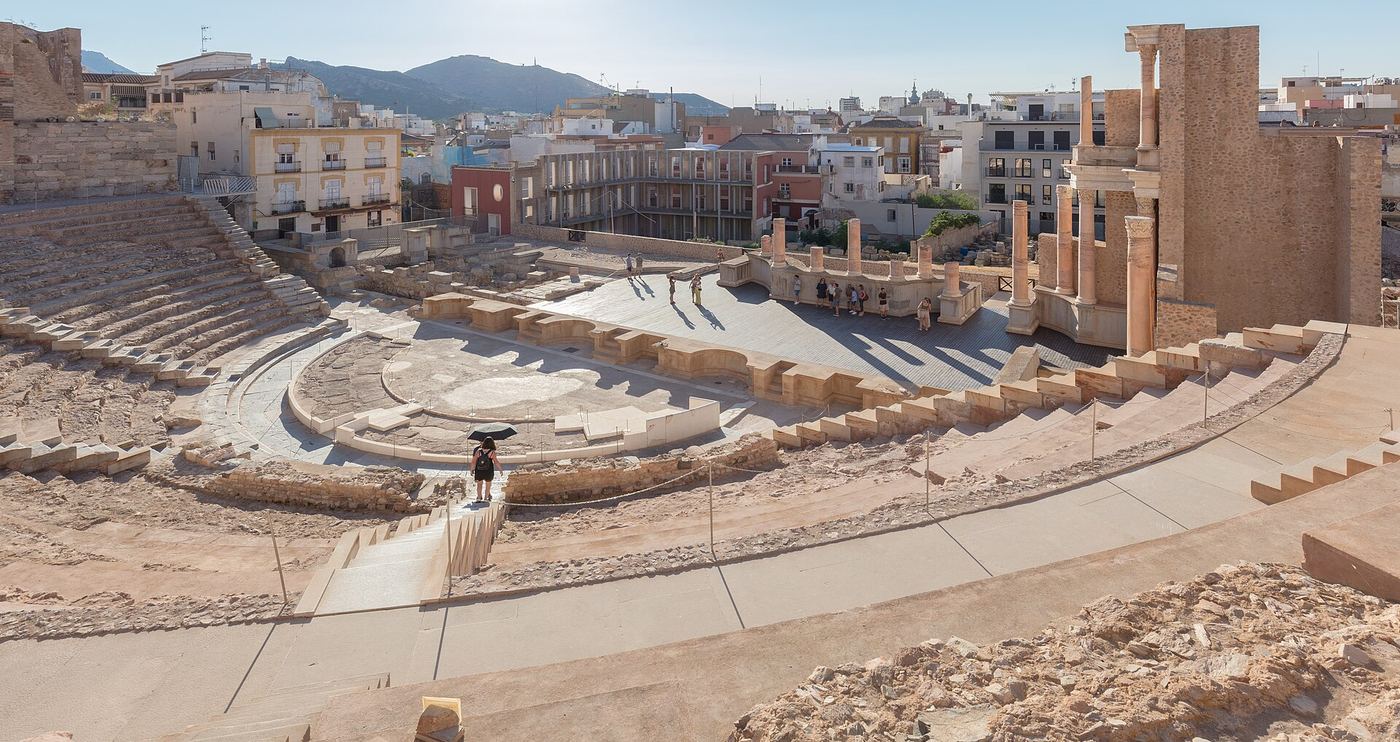
Roman theatre of Cartagena
Spainc. 227 BC

Cartagena

𐤒𐤓𐤕𐤇𐤃𐤔𐤕

Founded by Hasdrubal the Fair under the same name as Carthage: Qart Hadasht, "New City". Capital of the Barcids in Iberia, close to rich silver mines, it was Hannibal's base before Italy. Scipio took it in 209 BC; its Punic wall can be visited today.

Every September: the "Carthaginians and Romans" festival

Hannibal →
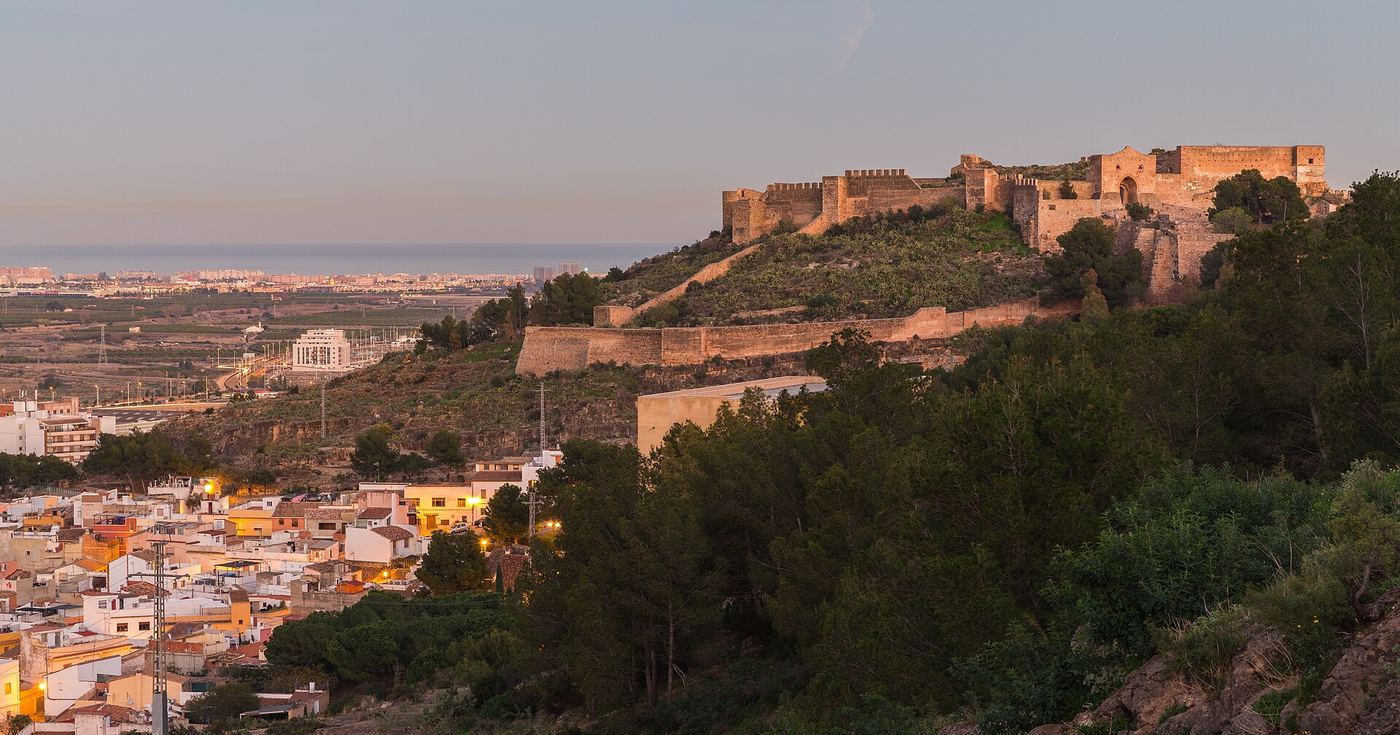
Castle of Sagunto
Spain219 BC

Saguntum

An ally of Rome, besieged for eight months by Hannibal (Livy): its fall sparked the Second Punic War.

The Punic Wars →
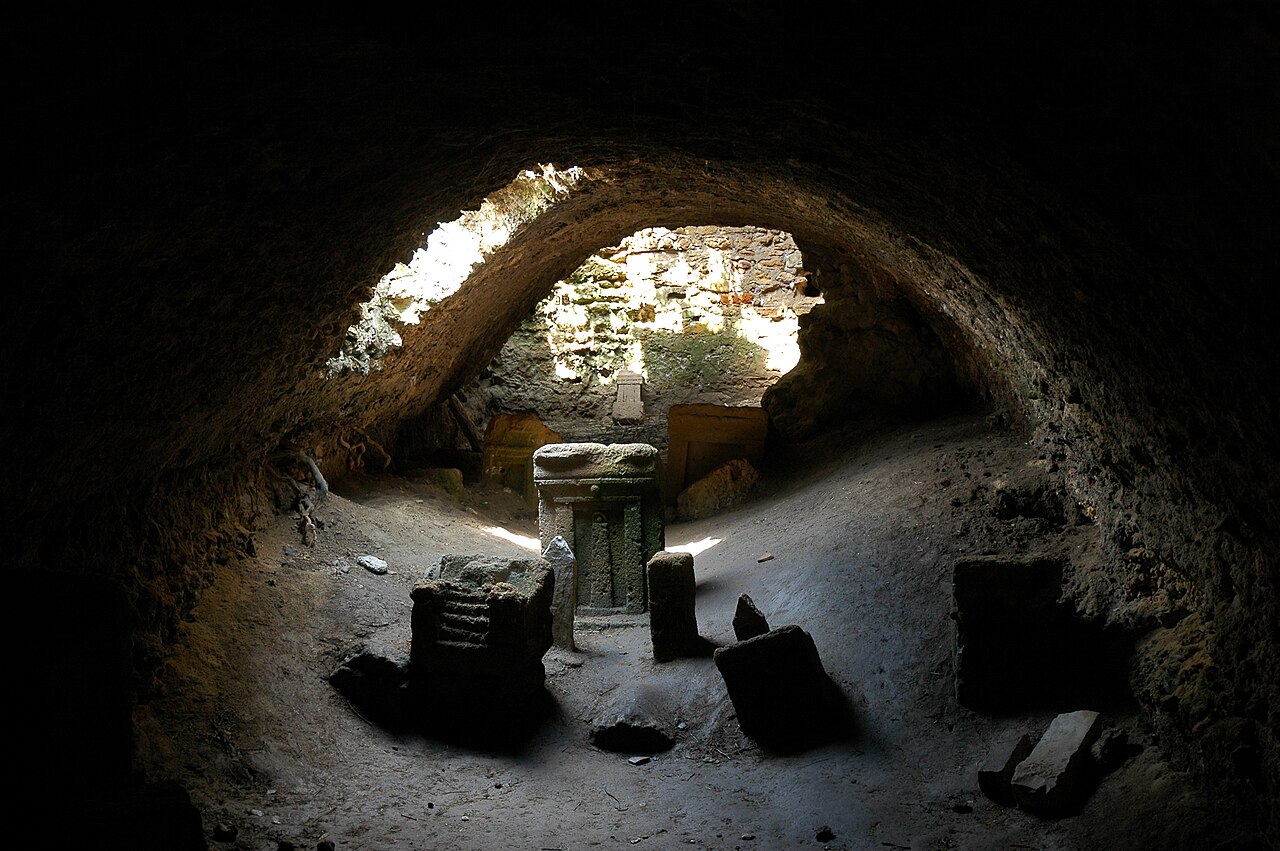
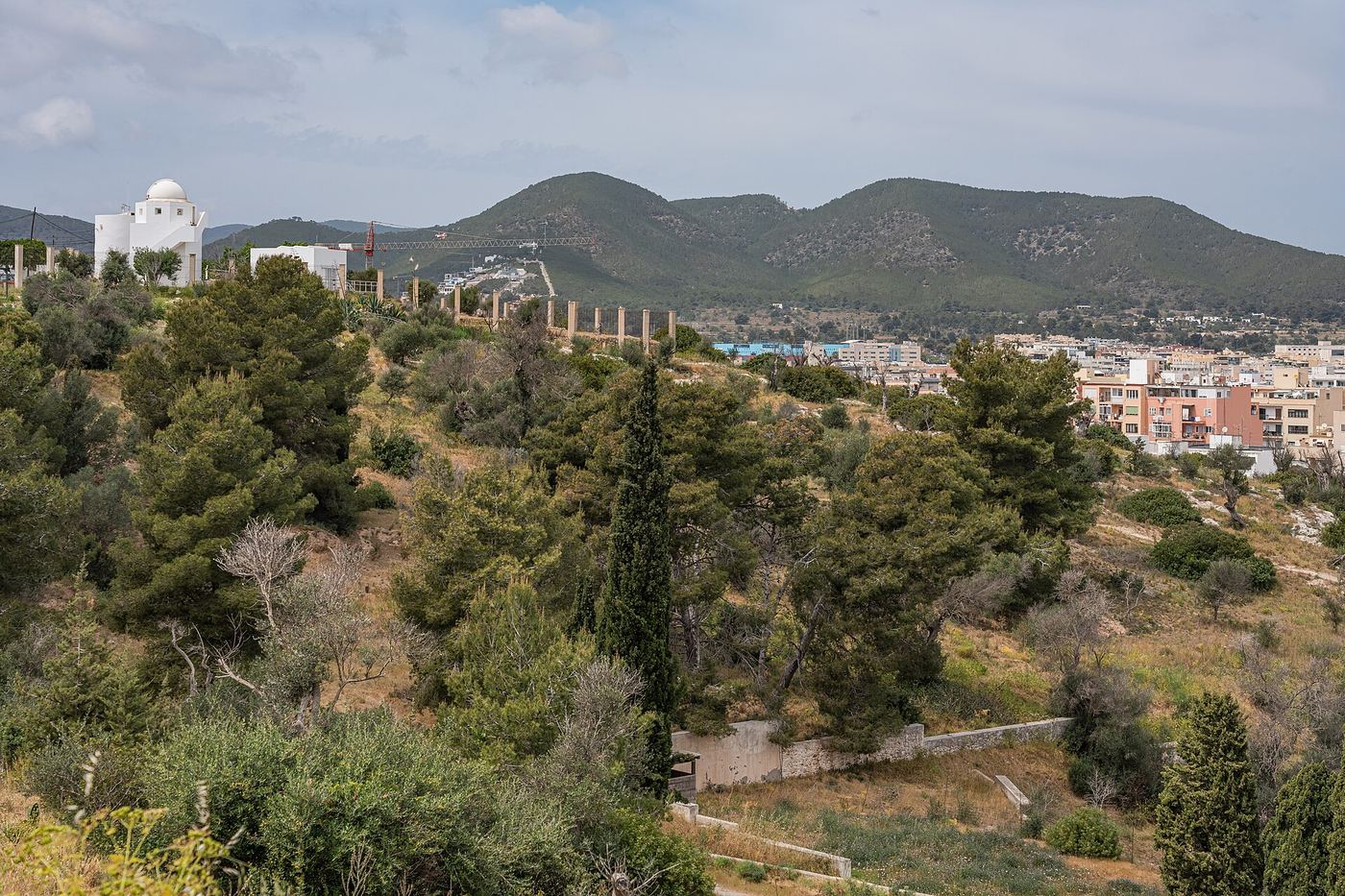
Puig des Molins necropolis, Ibiza
SpainUNESCO

Ibiza (Ebusus)

The Punic colony of Ybšm (Ibossim); the Puig des Molins necropolis holds thousands of its tombs.

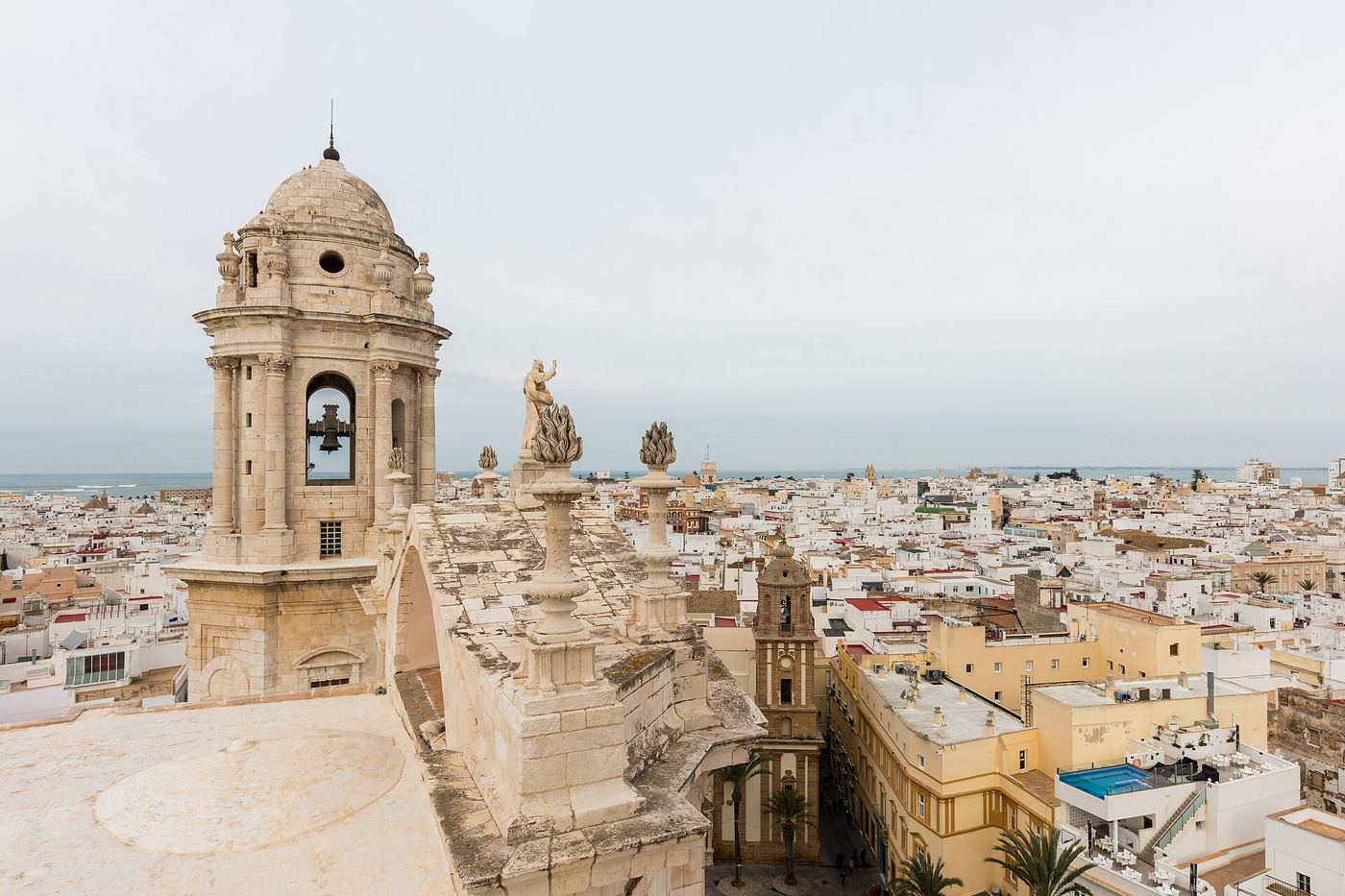
Cádiz, ancient Gadir
SpainAtlantic

Cádiz (Gadir)

𐤂𐤃𐤓

A Phoenician trading post, Carthage's ally and its gateway to the Atlantic. Before leaving for Italy, Hannibal went there to fulfil his vows at the temple of Melqart (Livy).

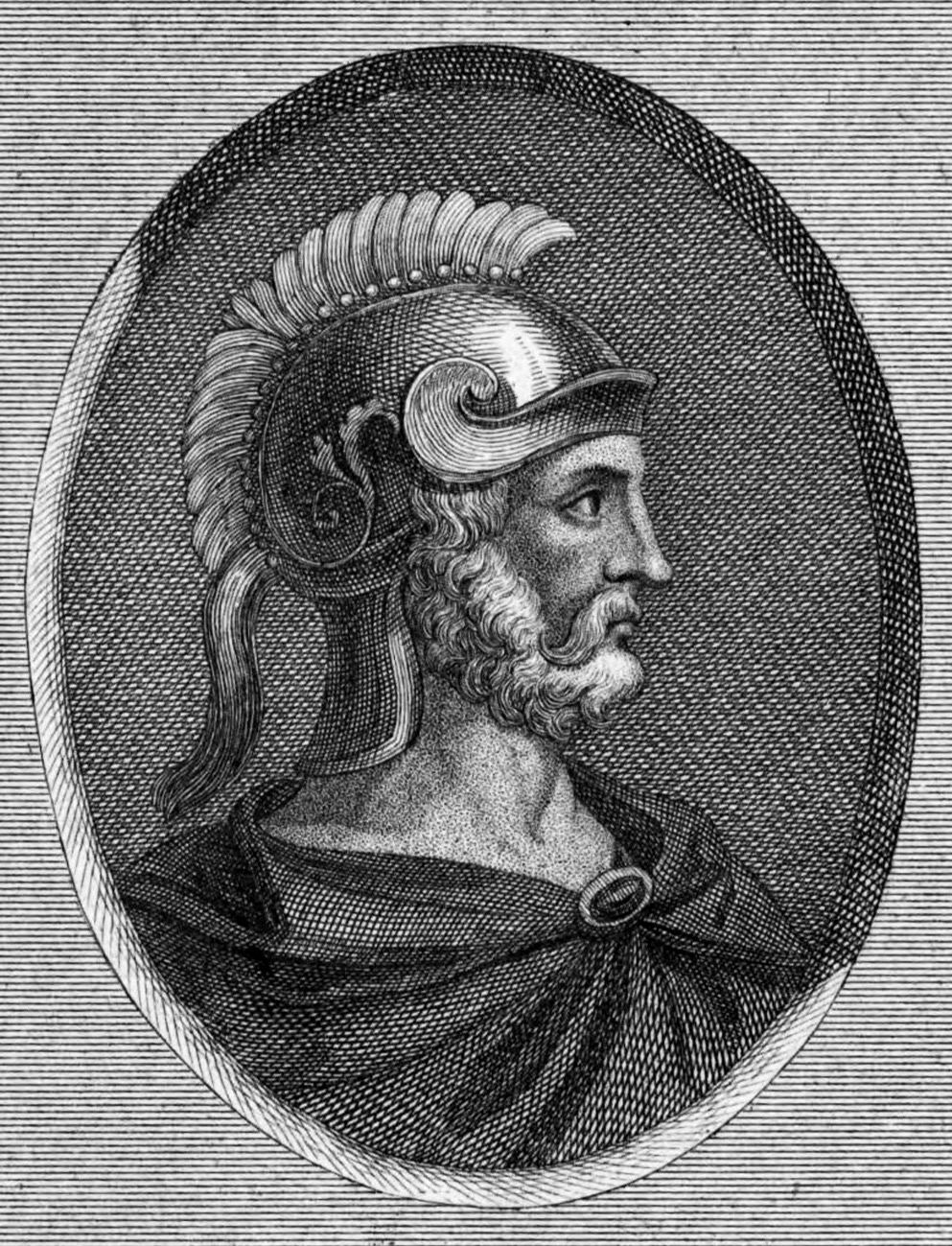
Hamilcar Barca, founder of Akra Leuke
Spainc. 231 BC

Akra Leuke

The "White Cape", founded by Hamilcar Barca early in the Barcid conquest of Iberia; it is most often placed at Alicante, though not with certainty.

Hamilcar →
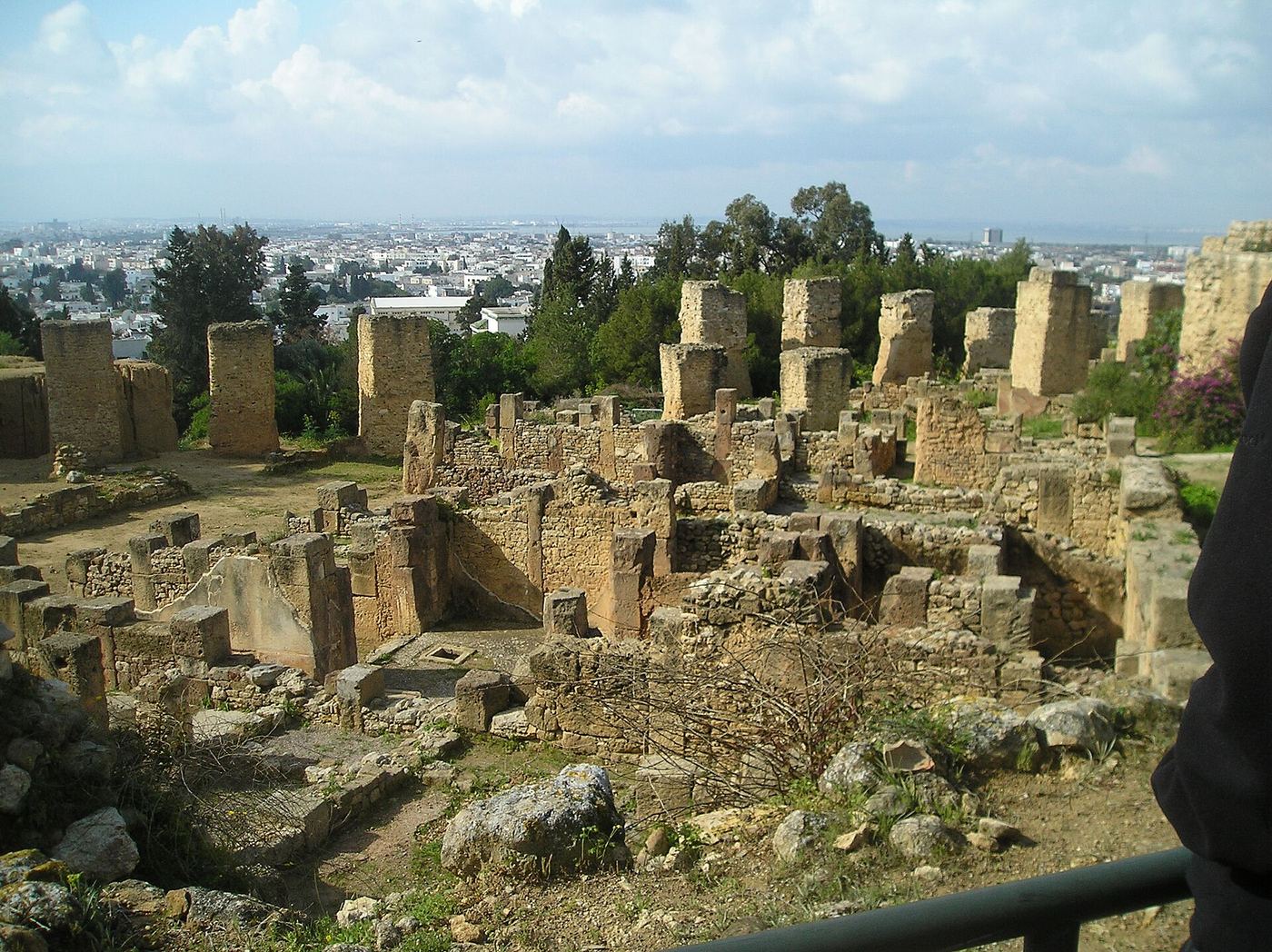
Punic quarter on Byrsa Hill
TunisiaUNESCO

Byrsa, Carthage

The acropolis of the legend of Elissa and the oxhide. On its slope, the "Hannibal quarter": Punic houses of the 2nd century BC.

The founding →
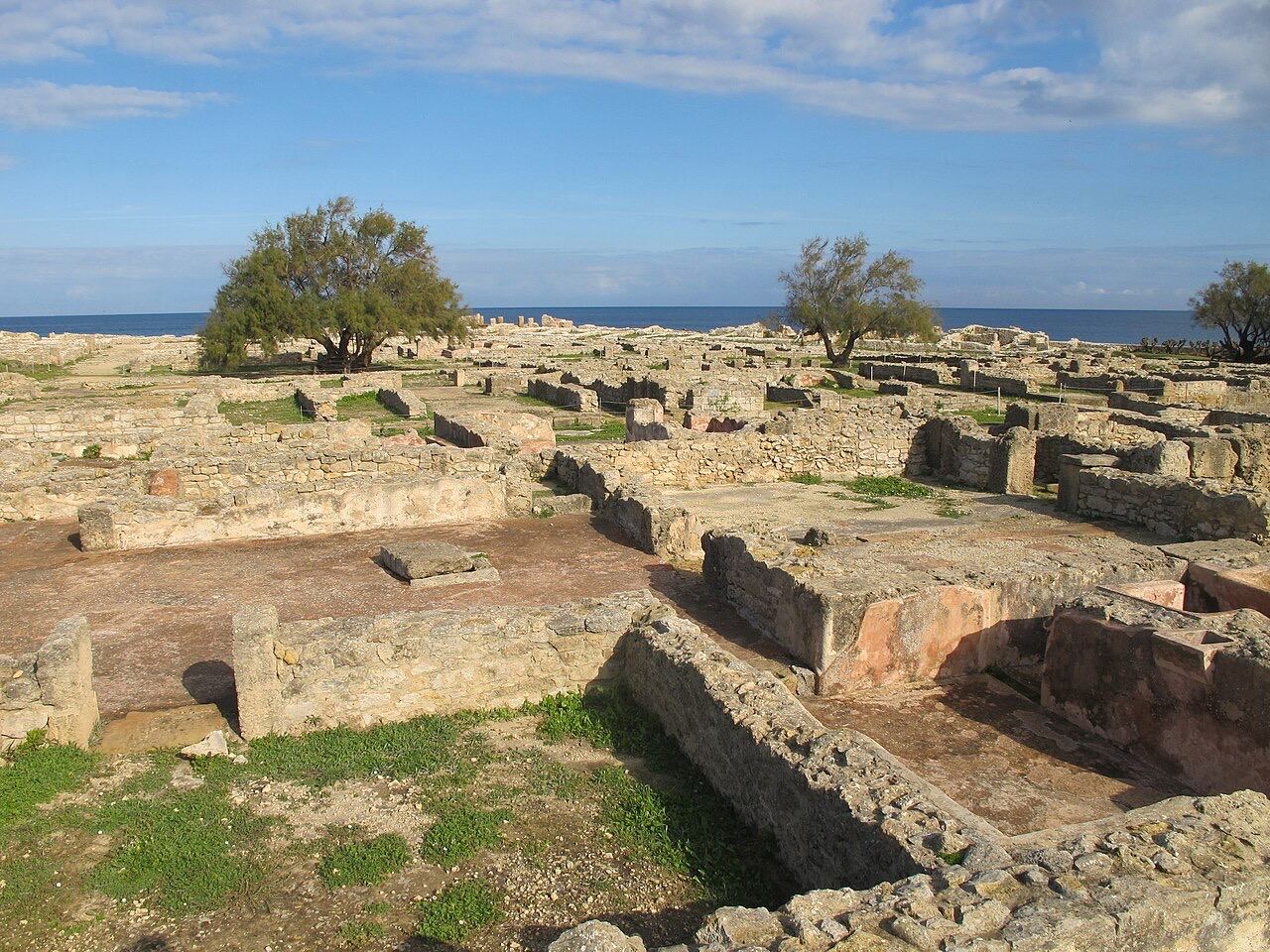
Ruins of Kerkouane, Cap Bon
TunisiaUNESCO

Kerkouane

The only Punic city found intact, abandoned in the 3rd century BC and never rebuilt by Rome: streets, houses and hip baths.

Stelae of the Salammbô tophet
TunisiaSalammbô

The tophet

Sanctuary of Baal Hammon and Tanit, used from the 8th century to 146 BC: thousands of urns and stelae whose interpretation is still debated.

Religion →
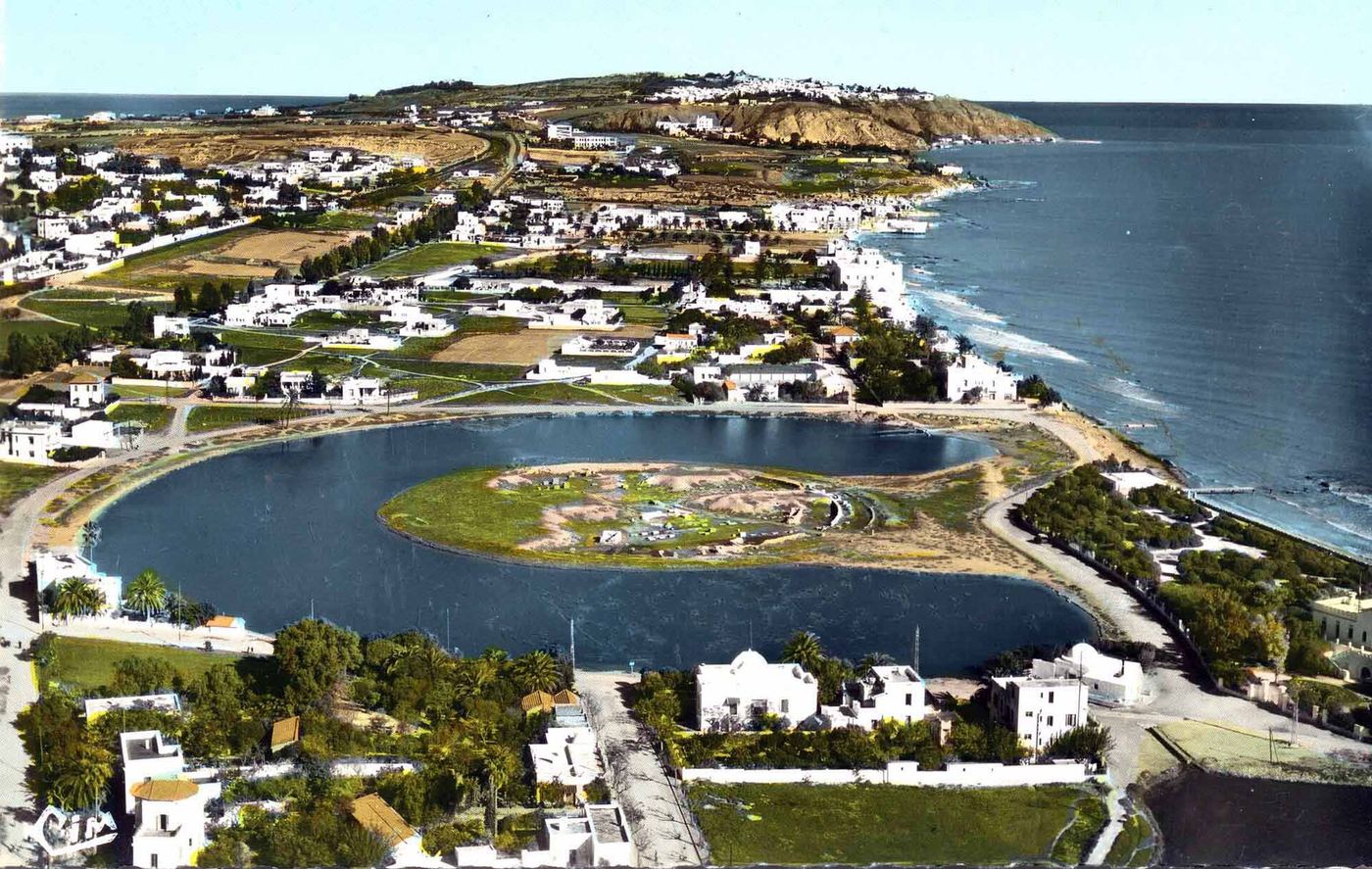
The Punic ports of Carthage
TunisiaCarthage

The Punic ports

The circular harbour sheltered the war fleet — 220 ship sheds according to Appian — and the rectangular harbour, trade.

The economy →
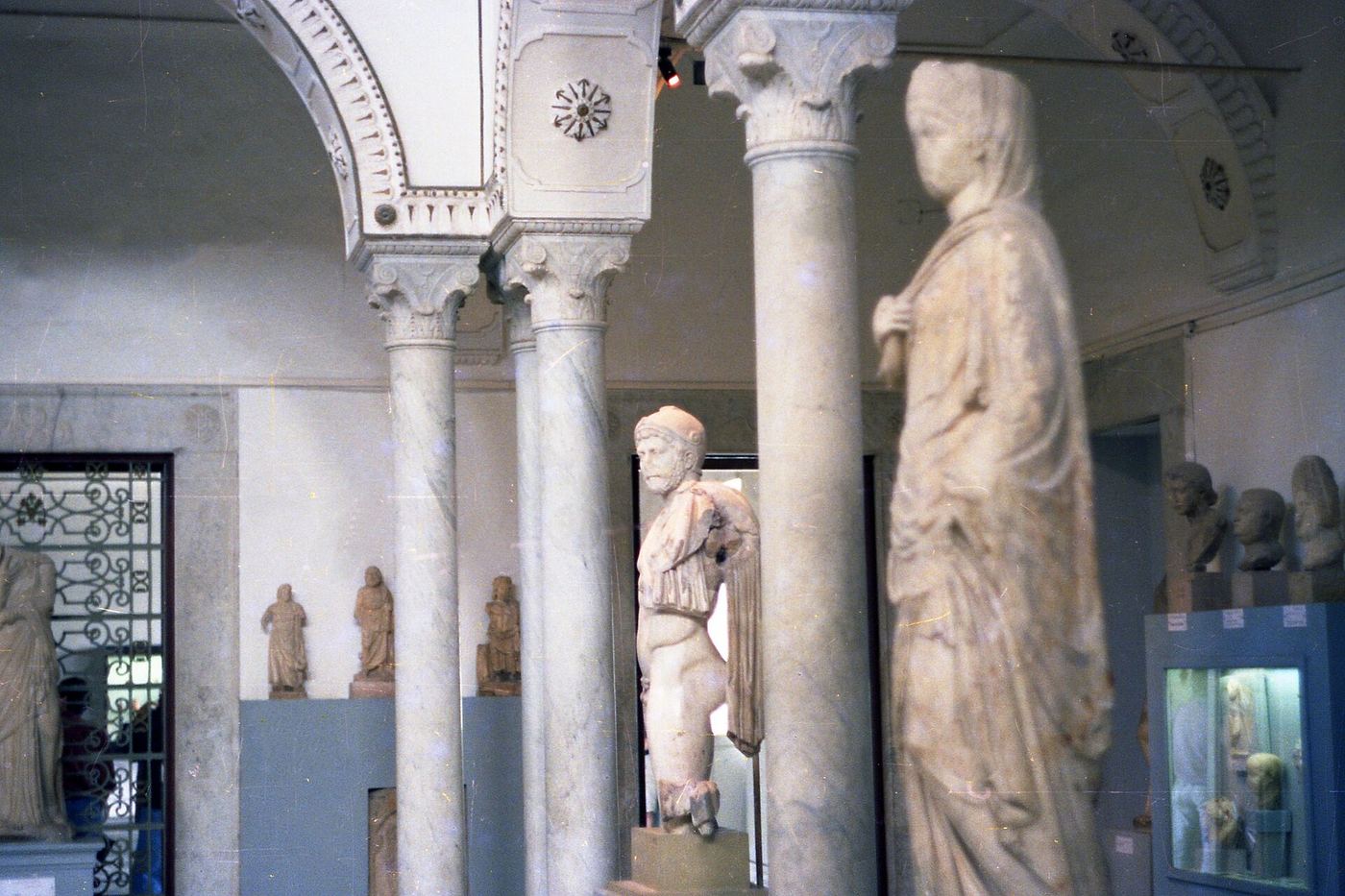
Bardo National Museum, Tunis
TunisiaTunis

Bardo Museum

Tophet stelae, masks, jewellery and amulets: one of the great Punic collections in the world.

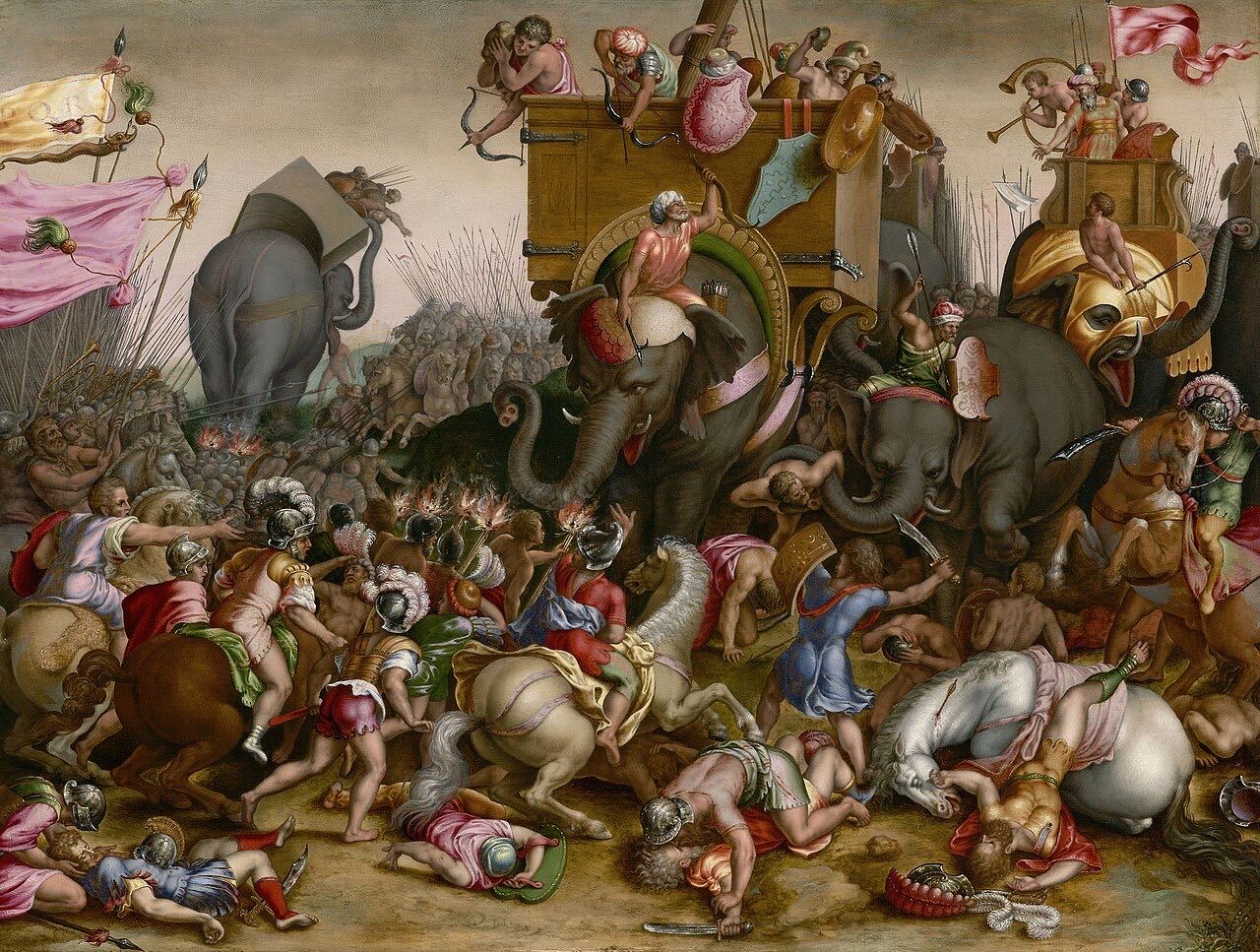
The Battle of Zama, engraving by Cornelis Cort
Tunisia202 BC

Zama

Where Scipio defeated Hannibal. The exact site is still debated, in the north-west of present-day Tunisia.

The Punic Wars →
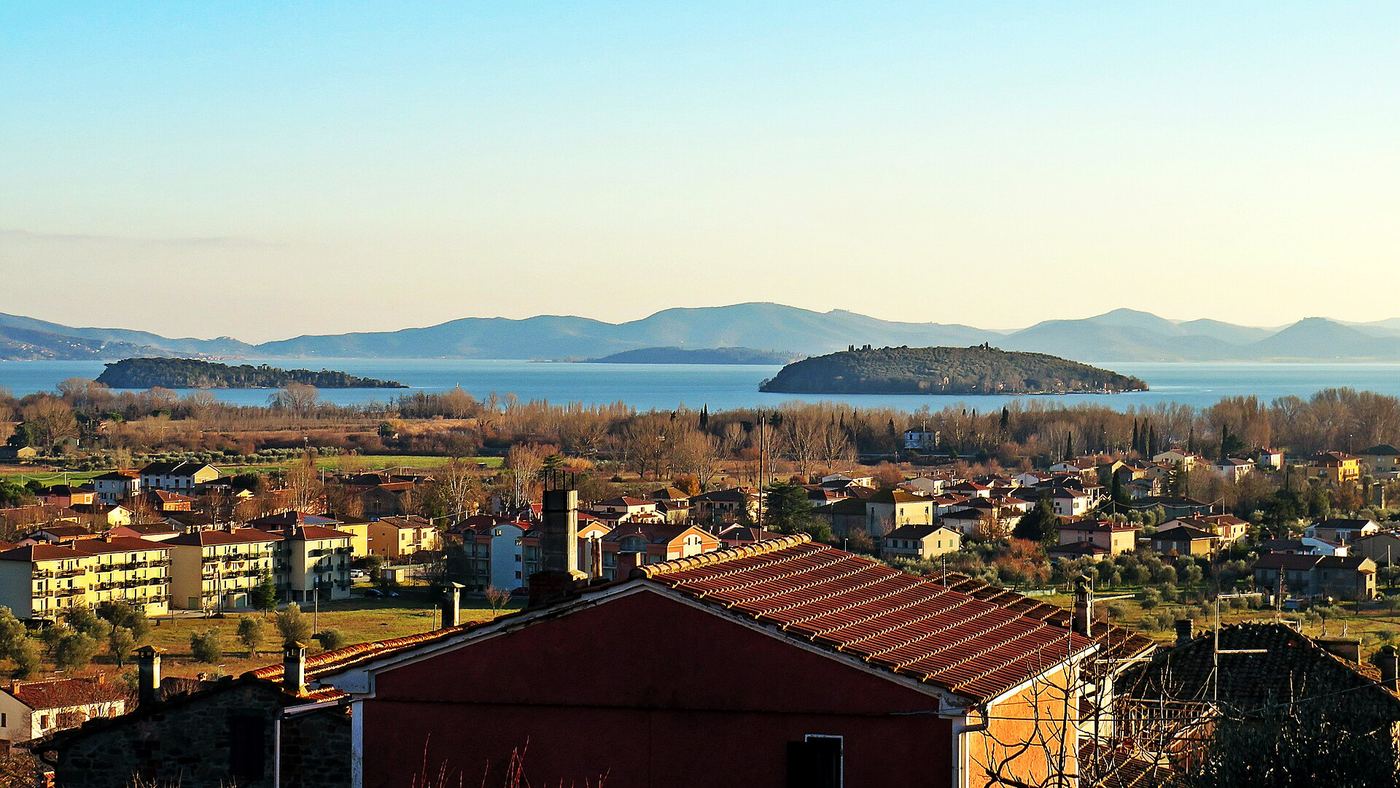
Lake Trasimene
Italy217 BC

Lake Trasimene

The scene of the greatest ambush of Antiquity: the consul Flaminius died there with some 15,000 Romans.

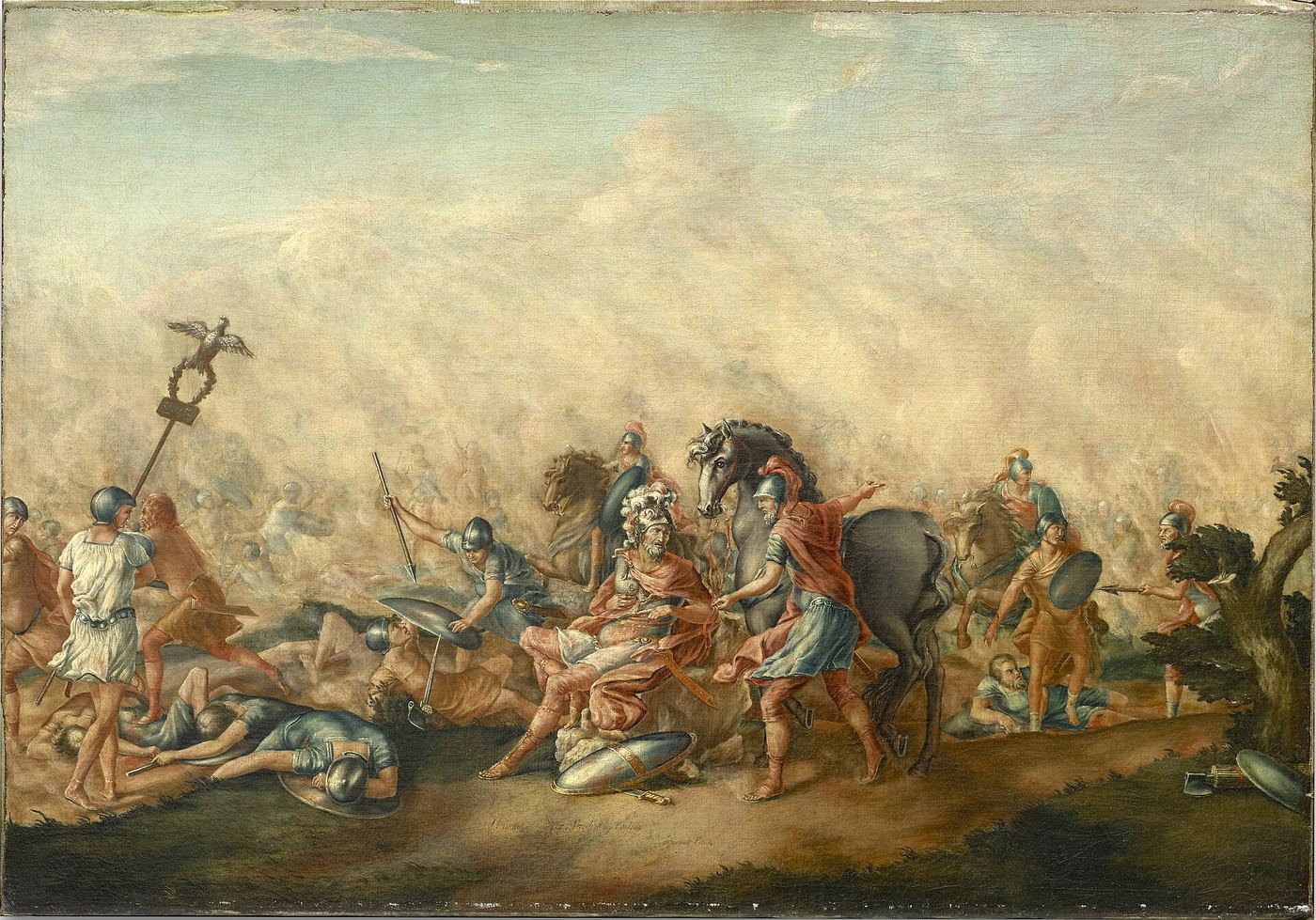
Site of the Battle of Cannae, Apulia
Italy216 BC

Cannae

Hannibal's double envelopment: according to Polybius, some 70,000 Romans died there.

Tactics →
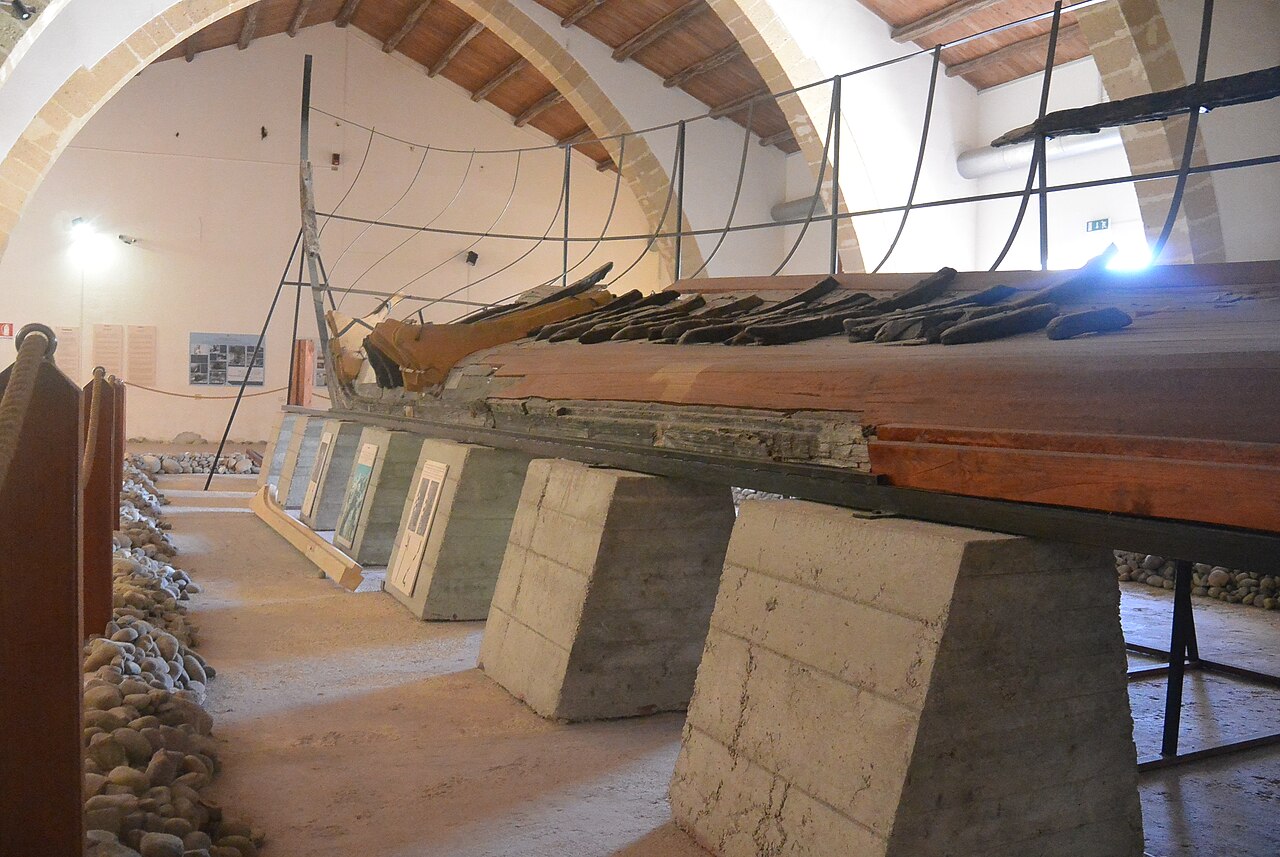
Wreck of the Punic ship of Marsala
Italy · Sicily397–241 BC

Marsala (Lilybaeum)

Founded after the destruction of Motya, the Punic fortress of Sicily held out against the Roman siege until 241. Its museum displays the wreck of a Punic warship found in 1971.

The army →
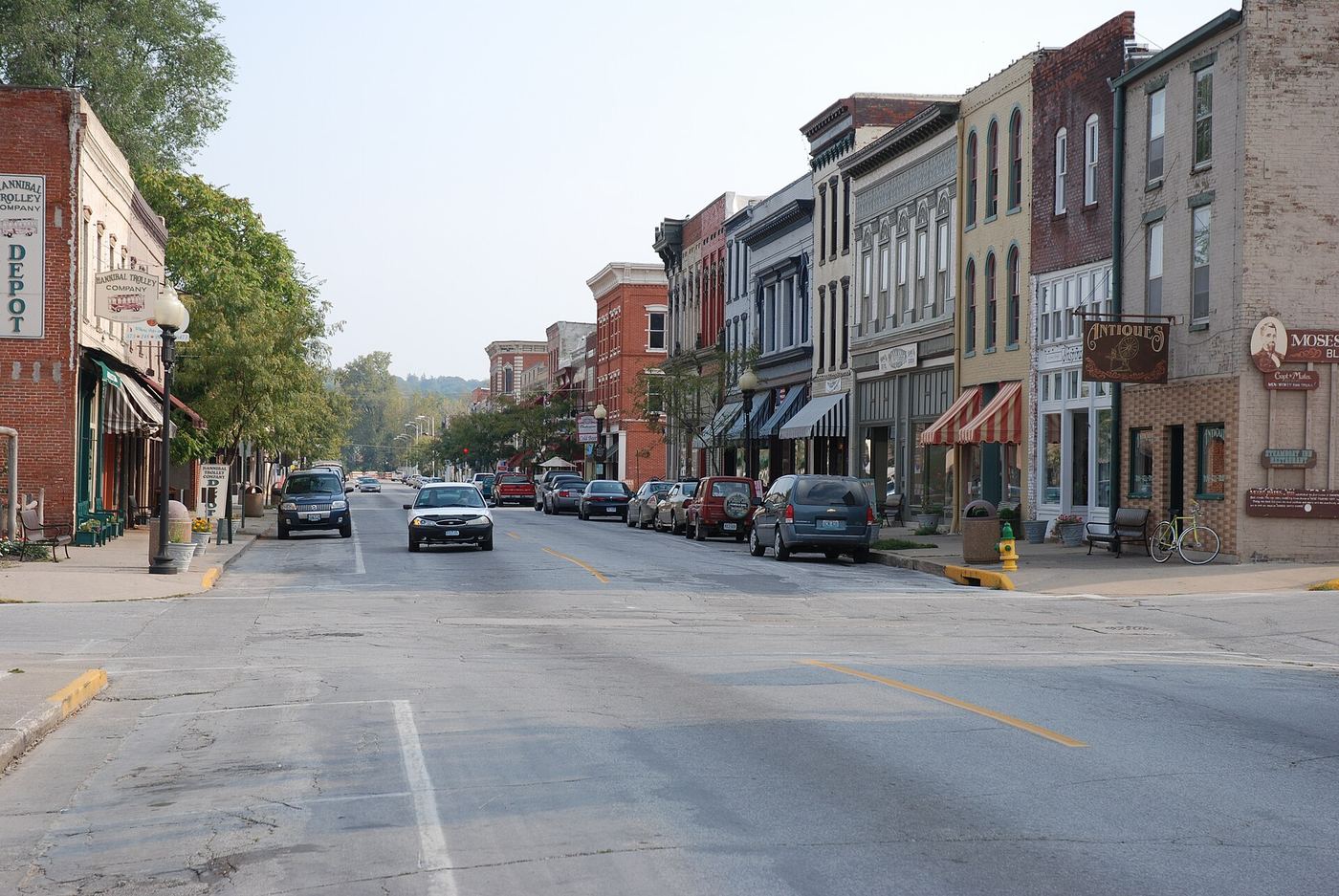
Main Street, Hannibal (Missouri)
Main Street — Hannibal, Missouri (United States)
A name that crossed the Atlantic

Towns called Hannibal… and Carthage

Hannibal, MissouriNamed after Hannibal Creek, christened in 1800 by the surveyor Antonio Soulard in honour of the general. It is also Mark Twain's boyhood town.
Hannibal, New YorkOne of the classically named towns of the "Military Tract", alongside Troy, Ithaca and Syracuse.
The "Carthages"Missouri, Texas, New York, Illinois, Tennessee… more than a dozen American towns bear the name of the Punic city.
Cartagena de IndiasThe Colombian city, founded in 1533, takes its name from Cartagena in Spain — and so, ultimately, from Qart Hadasht.
814 – 146 BC

The Carthaginian world

Open the animated map →
814 BC
Loading base map…

Approximate borders based on historical syntheses (spheres of influence, not modern borders). Base map: Natural Earth. Ancient sites: customary locations.