Hannibal · Tactics

The art of war according to Hannibal

Ambushes, terrain, intelligence and encirclement: 22 centuries later, military academies still study his battles.

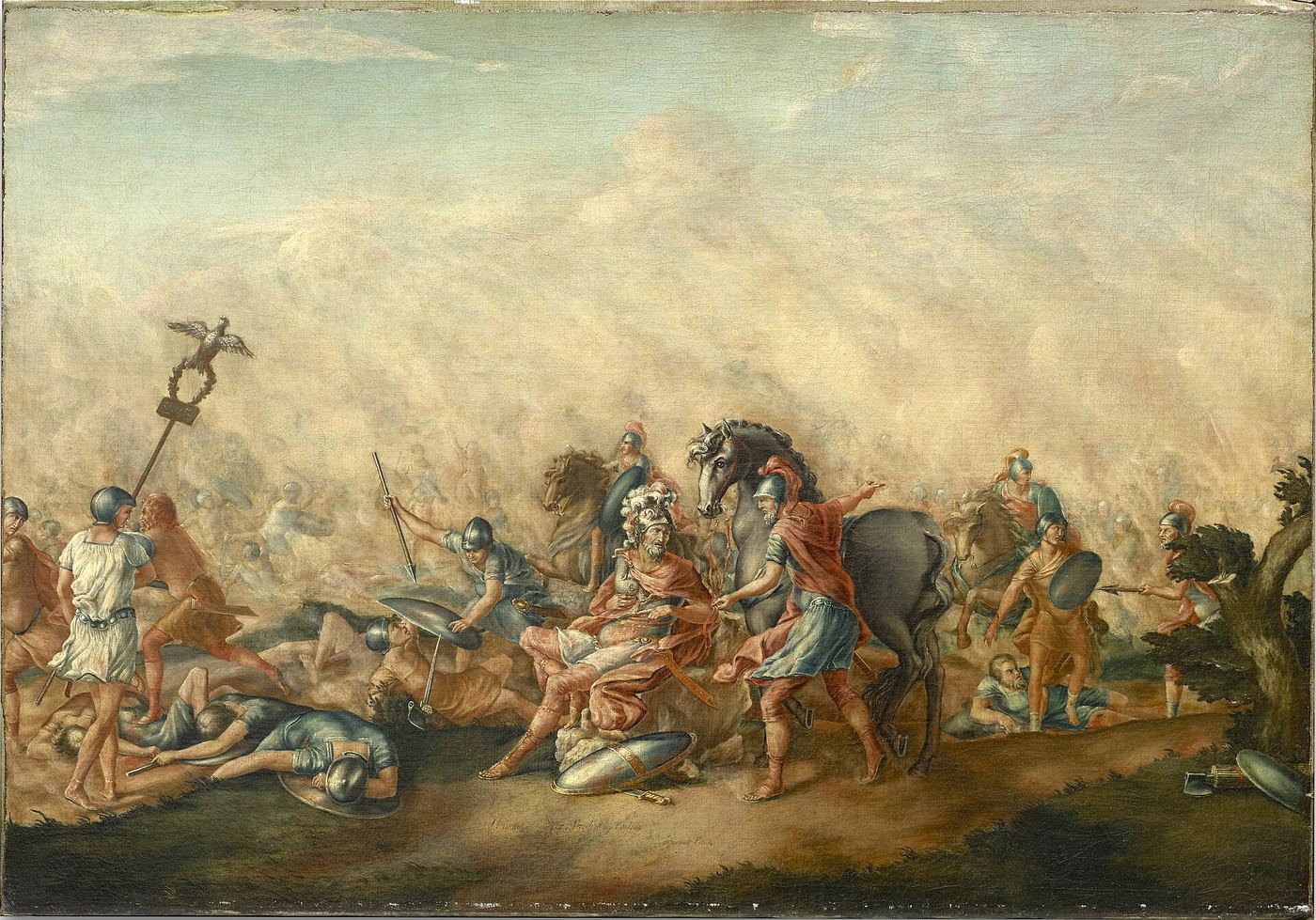
John Trumbull — The Death of Paullus at the Battle of Cannae
J. Trumbull — The Death of Paullus at Cannae (1773)

Two traps before Cannae

Winter 218 and spring 217 BC — after Polybius and Livy

TREBIAFROZENROMAN CAMPMAGO · 2,000HANNIBALSOAKED ROMANSELEPHANTS ●
The Trebia · December 218

Icy water and an ambush

At dawn, Numidian horsemen provoke the Romans, who cross the freezing river on empty stomachs. Soaked, they face a rested army; then Mago’s 2,000 men, hidden in a ravine, burst out behind them.

Carthage
Hannibal; his brother Mago in ambush with 1,000 picked infantry and 1,000 cavalry.
Rome
The consul Tiberius Sempronius Longus, eager for battle; his colleague Scipio, wounded at the Ticinus a few weeks earlier.
Outcome
About 10,000 Romans break through the centre and escape to Placentia; the rest of the army is destroyed or scattered (Polybius).
HILLS — HANNIBAL'S ARMY HIDDENLAKE TRASIMENEMORNING FOGENTRANCE SEALEDBLOCK
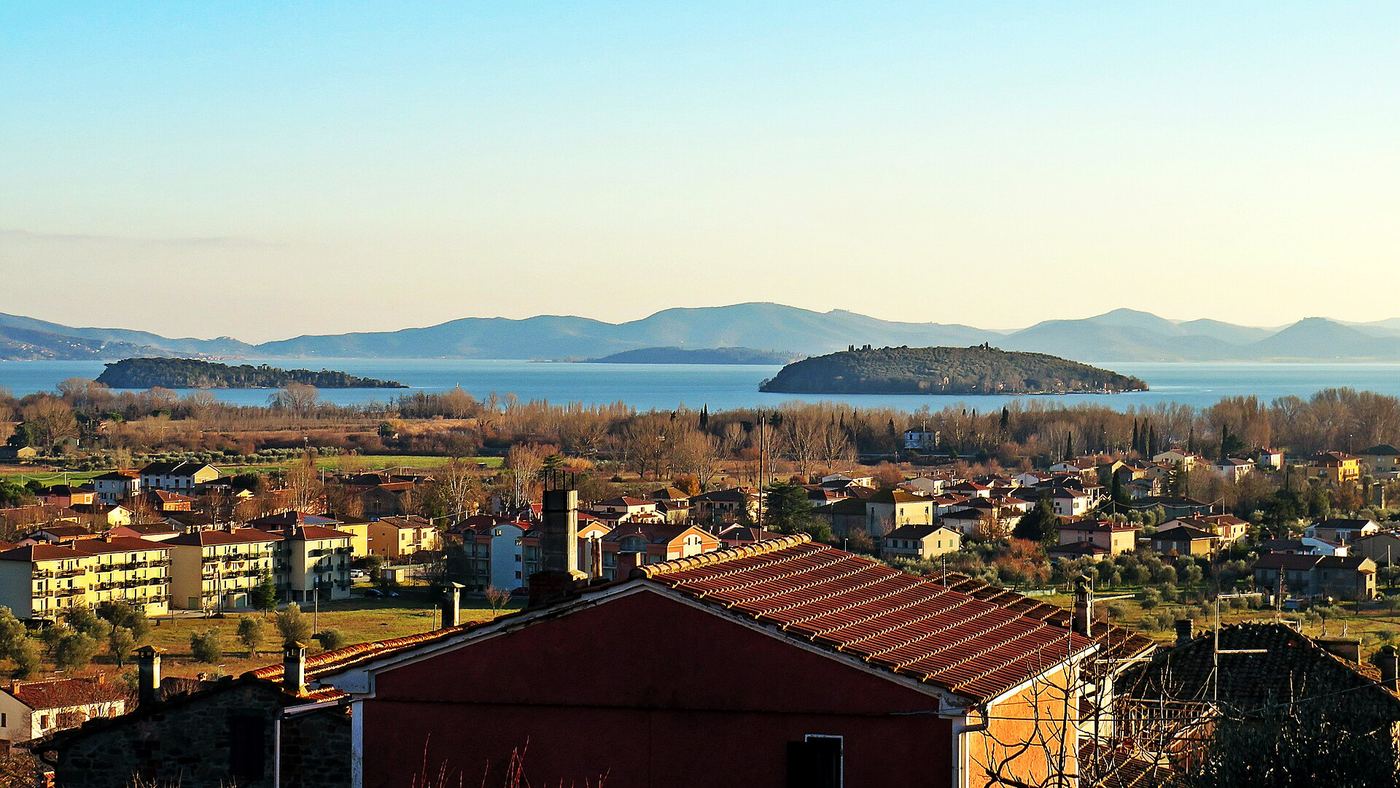
Lake Trasimene · 21 June 217

A whole army lost in the fog

Consul Flaminius' column files onto the narrow shore between the lake and the hills. In the mist, Hannibal seals the entrance and the exit, then attacks from every side. Pinned against the water, the Romans cannot deploy.

Carthage
About 55,000 men hidden on the heights in the morning fog, attacking all along the column at once.
Rome
About 30,000 legionaries under the consul Gaius Flaminius, in marching column, not deployed for battle.
Outcome
In three hours about 15,000 Romans are killed, Flaminius among them; many drown as they flee. 6,000 men who had broken through surrender the next day. Rome appoints Fabius Maximus dictator: from now on he avoids battle — hence his nickname "Cunctator", the Delayer.

Cannae, in three moves

2 August 216 BC — some 50,000 Carthaginians against 86,000 Romans

Animated diagram of the Battle of Cannae — Phase 1 : The crescentAUFIDUSROMAN LEGIONSGAULS & IBERIANSLIBYANSLIBYANSDRAWN INTO THE CENTRETHE CENTRE BENDSHASDRUBAL SWINGS ROUNDCAVALRY IN THE REARTOTAL ENCIRCLEMENT
Roman infantryRoman cavalryGauls & IberiansLibyans (elite)Carthaginian cavalryWater
Phase 1 / 3

The crescent

In the centre, Gauls and Iberians advance in a forward-bulging arc towards the legions. The Libyans, the elite, wait held back on both wings.

This deliberately weak line is designed to give way under Roman pressure. Hannibal and his brother Mago fight in the centre themselves, according to Polybius.

~50,000

Carthaginians: Gauls and Iberians in the centre, Libyan heavy infantry on the wings, Iberian, Gallic and Numidian cavalry

~86,000

Romans and allies: 8 legions and as many allied troops, massed deep in the centre, cavalry on the wings

50–70,000

Romans killed, depending on the source

80

senators or former magistrates killed, according to Livy

Outcome

Total Carthaginian victory and one of the worst defeats in Roman history. According to Livy, Mago poured out before the Senate of Carthage the gold rings taken from fallen Roman knights. The double envelopment remains the textbook model in military academies.

Zama, the lesson reversed

October 202 BC — Scipio against Hannibal, in Africa

VETERANS OF ITALY80 ELEPHANTSLANESHASTATI · PRINCIPES · TRIARIILAELIUSMASINISSA
ElephantsMercenariesAfrican leviesVeterans of ItalyCarthaginian cavalryLegions (maniples)Roman cavalryMasinissa's Numidians
Hannibal's only major defeat
Carthage
About 36,000 infantry, 4,000 cavalry and 80 elephants. A mixed army: mercenaries, African levies and, in reserve, the veterans of Italy.
Rome
About 30,000–35,000 infantry and 6,000–9,000 cavalry, including Masinissa's Numidians: seasoned legions and superior cavalry.
  1. Neutralising the elephants

    Scipio lines up his maniples leaving open lanes. Panicked by the trumpets, the elephants run through harmlessly or turn back on the Carthaginians.

  2. The infantry clash

    The first two Carthaginian lines, mercenaries then recruits, are driven back. Hannibal's veterans hold firm: the fighting is fierce and undecided.

  3. The cavalry decides

    Having scattered the Carthaginian horse, Laelius and Masinissa return to charge Hannibal's rear — the Cannae tactic turned against him.

Outcome : Decisive Roman victory. Carthage loses the war and must accept harsh peace terms; Hannibal acknowledges defeat and himself advises the Senate to accept.

Hannibal's five weapons

The army of Carthage →
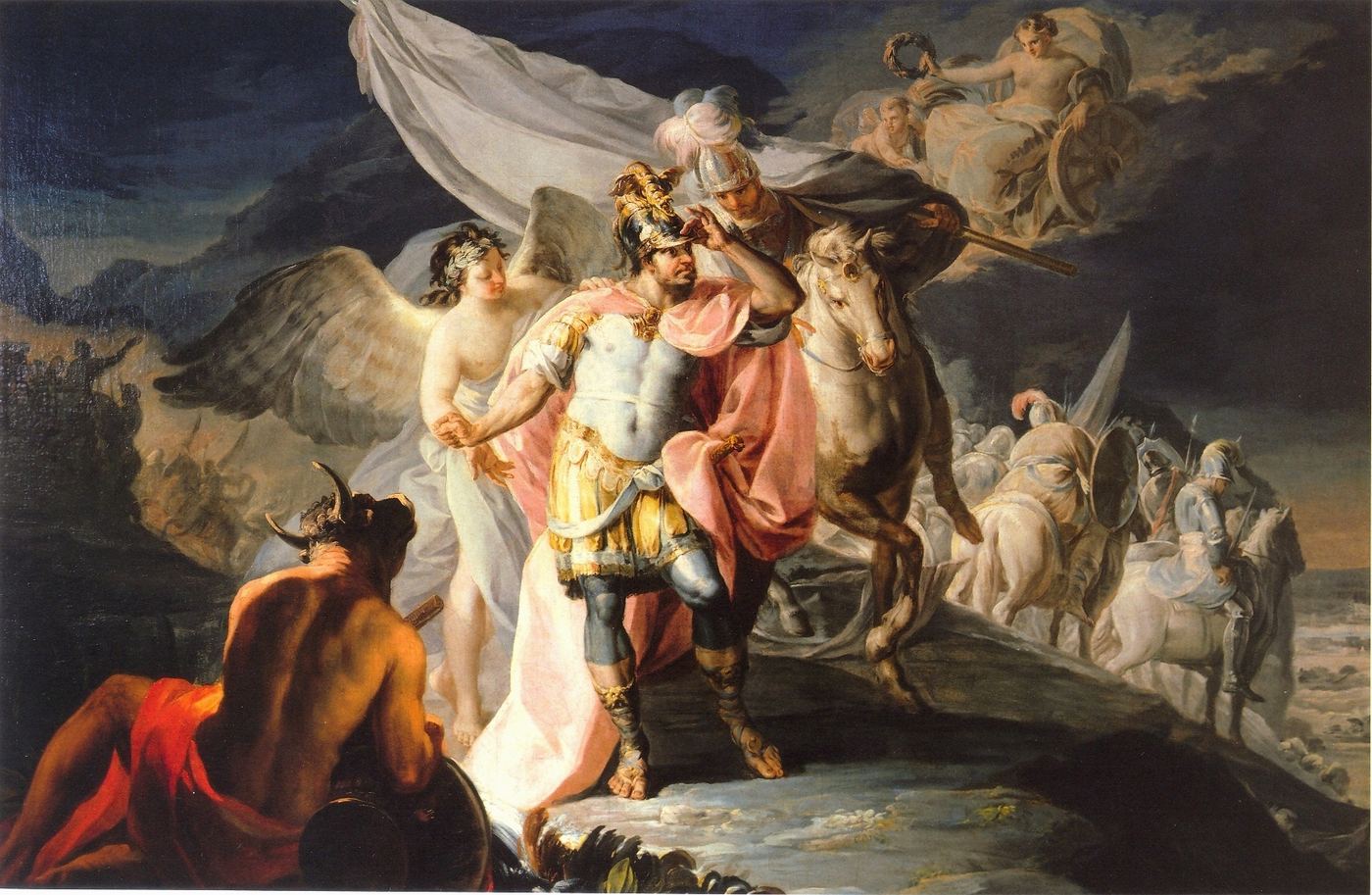
Goya — Hannibal viewing Italy from the Alps

Terrain

A freezing river at the Trebia, a lake and hills at Trasimene: he always chooses the battlefield.

Lake Trasimene

Ambush

Mago hidden in a ravine at the Trebia, a whole army in the fog at Trasimene.

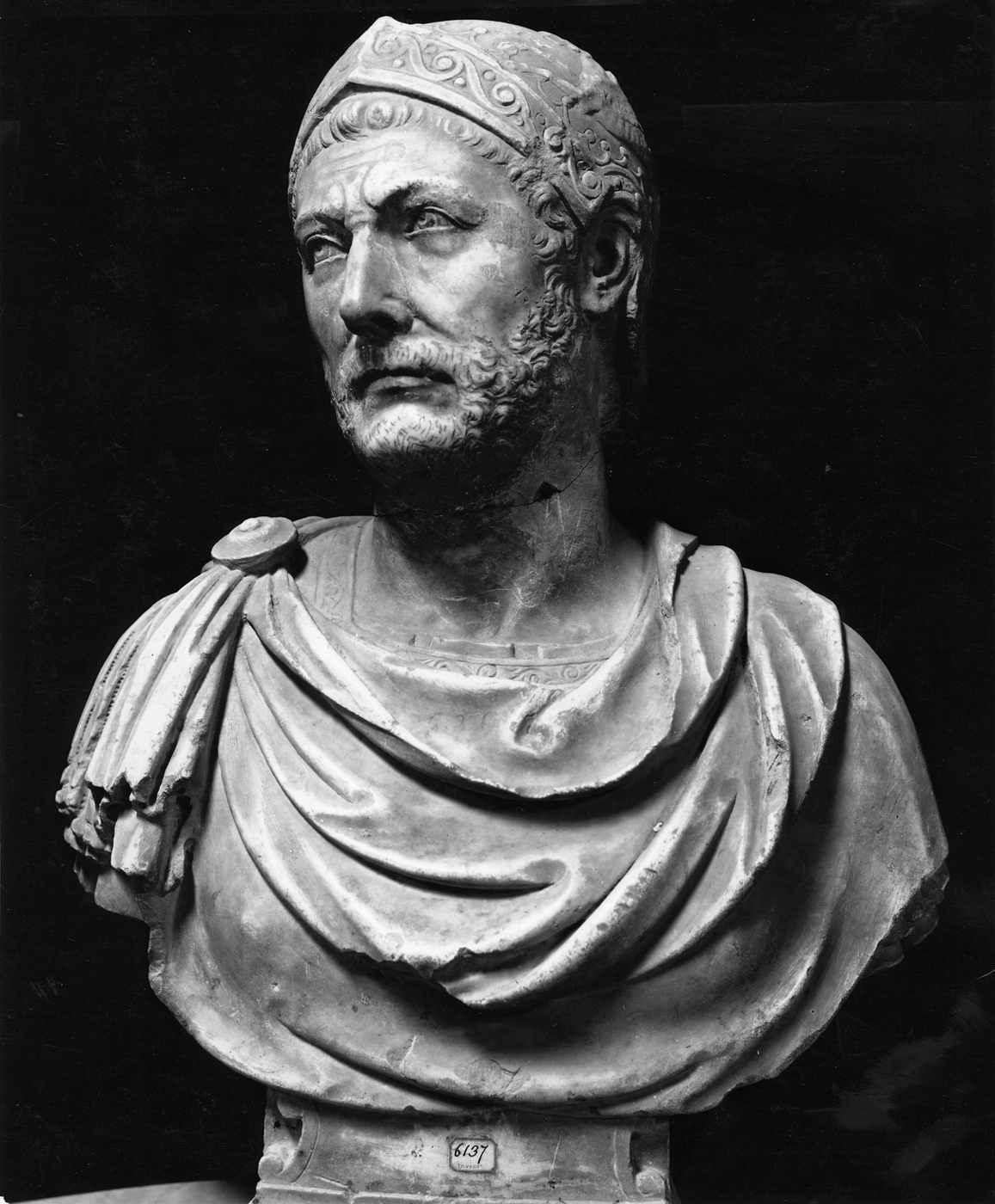
Bust of Hannibal

Intelligence

Spies and scouts; he studies the character of the consuls and exploits their impatience.

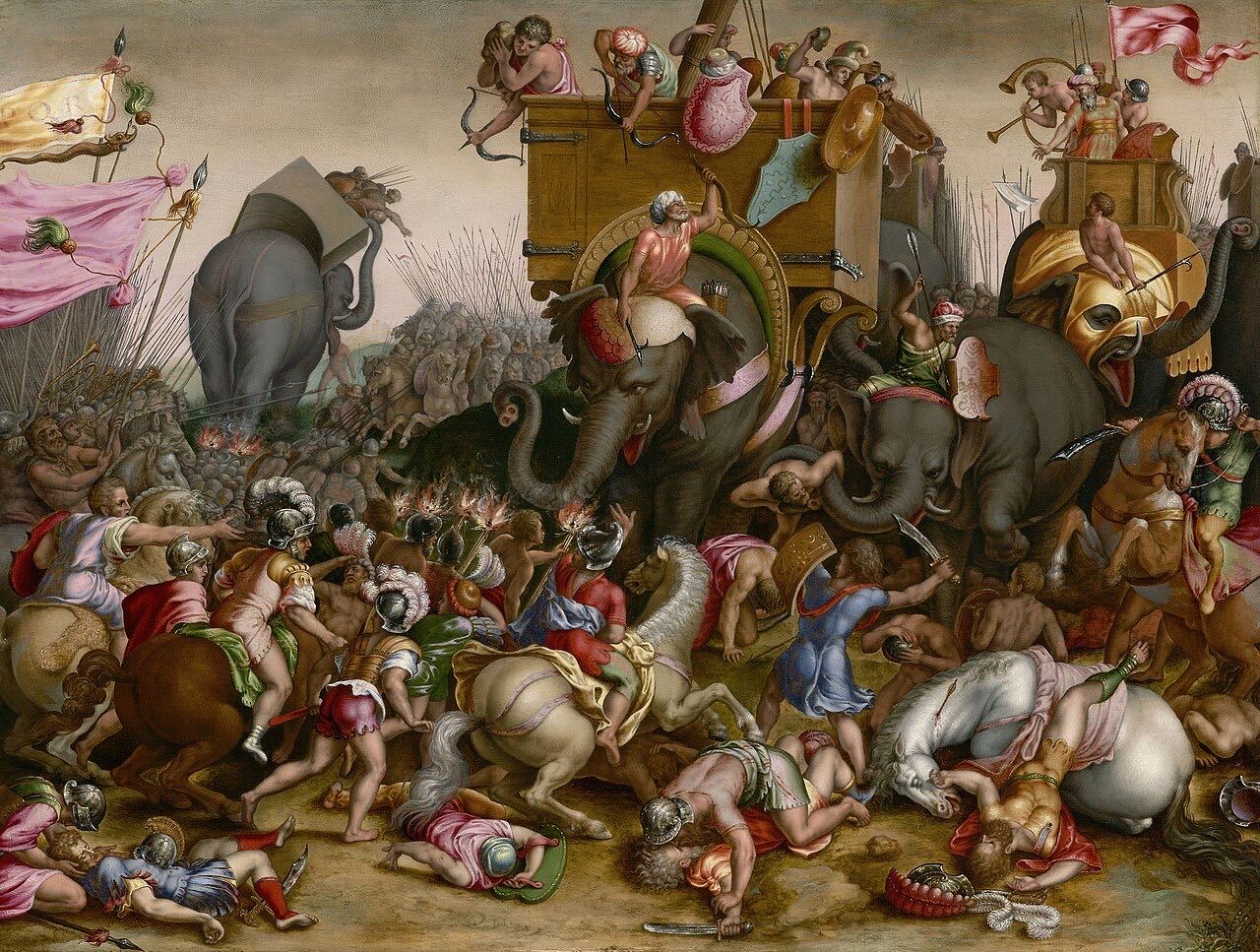
Battle of Zama

Cavalry

Numidians and Iberians, fast and mobile: decisive on the wings and for striking the rear.

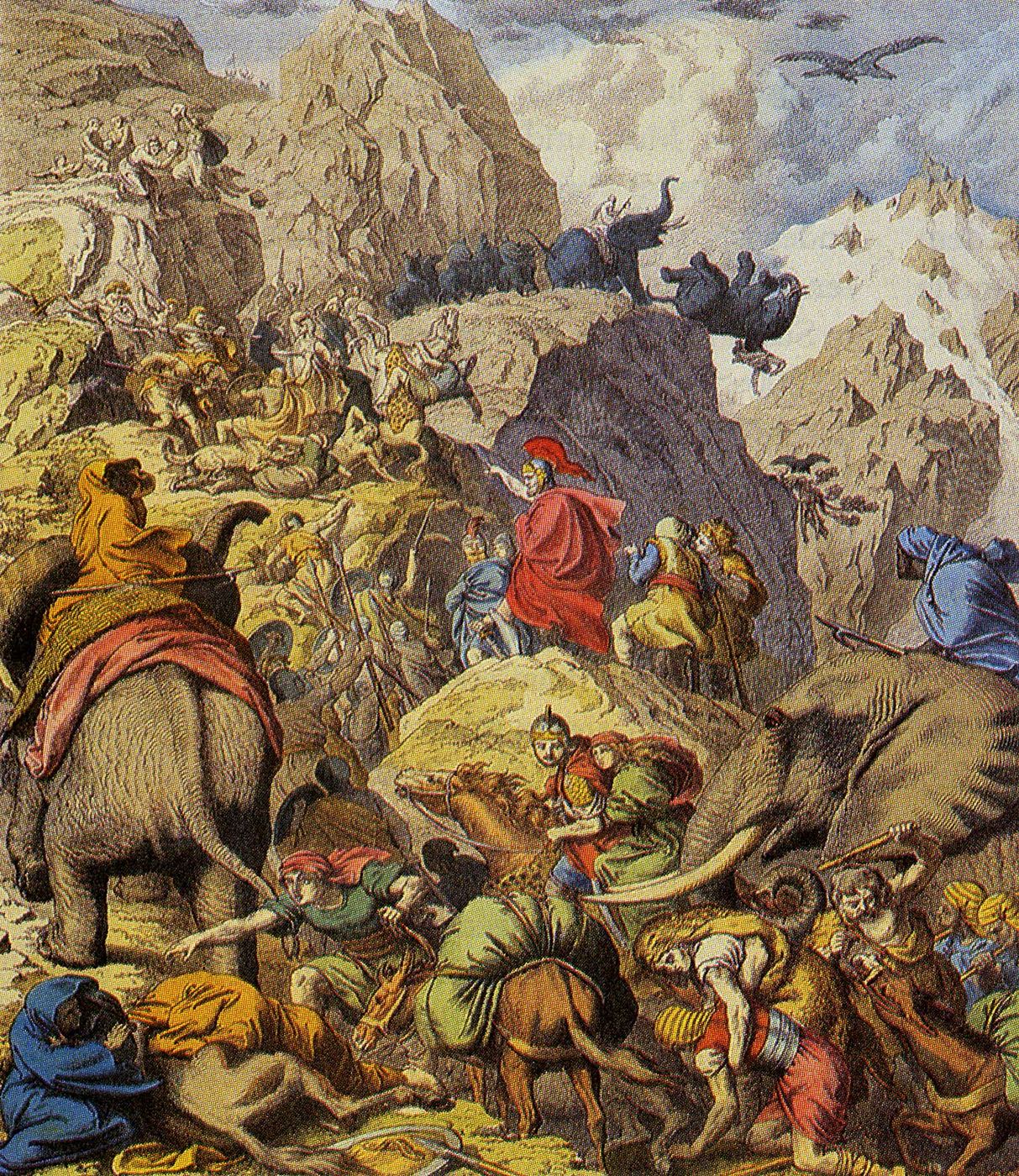
Hannibal's army in the Alps

Coalition

Libyans, Numidians, Iberians, Gauls: an army of many peoples held together for sixteen years in enemy land.

Then → now

Taught in war colleges

In strategy, "a Cannae" has become a common noun for the total encirclement of an army.

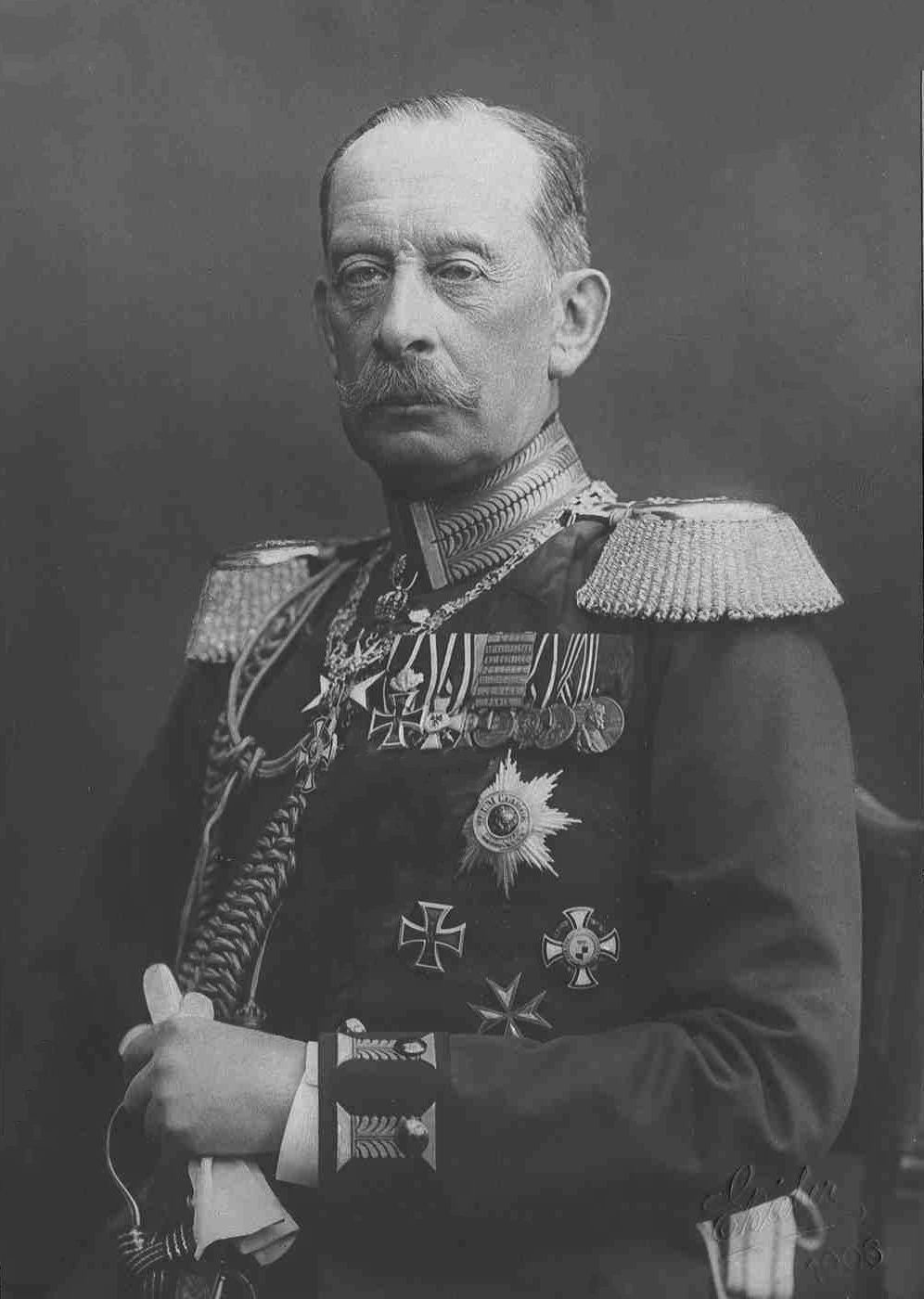
Alfred von Schlieffen
Germany · 1909–1913

Schlieffen

The chief of the general staff published a series of studies entitled "Cannae"; his 1914 invasion plan was directly inspired by it.

United States · West Point

Schwarzkopf

Cannae was the favourite battle of the future commander of the Gulf War (1991) when he was a cadet.

France · 1800

Napoleon

He ranked Hannibal among the greatest captains and studied his campaigns before crossing the Alps in turn, by the Great St Bernard.

Rome → London

The opposite lesson

To counter Hannibal, Fabius avoided battle. His "Fabian strategy" even gave its name to Britain’s Fabian Society.