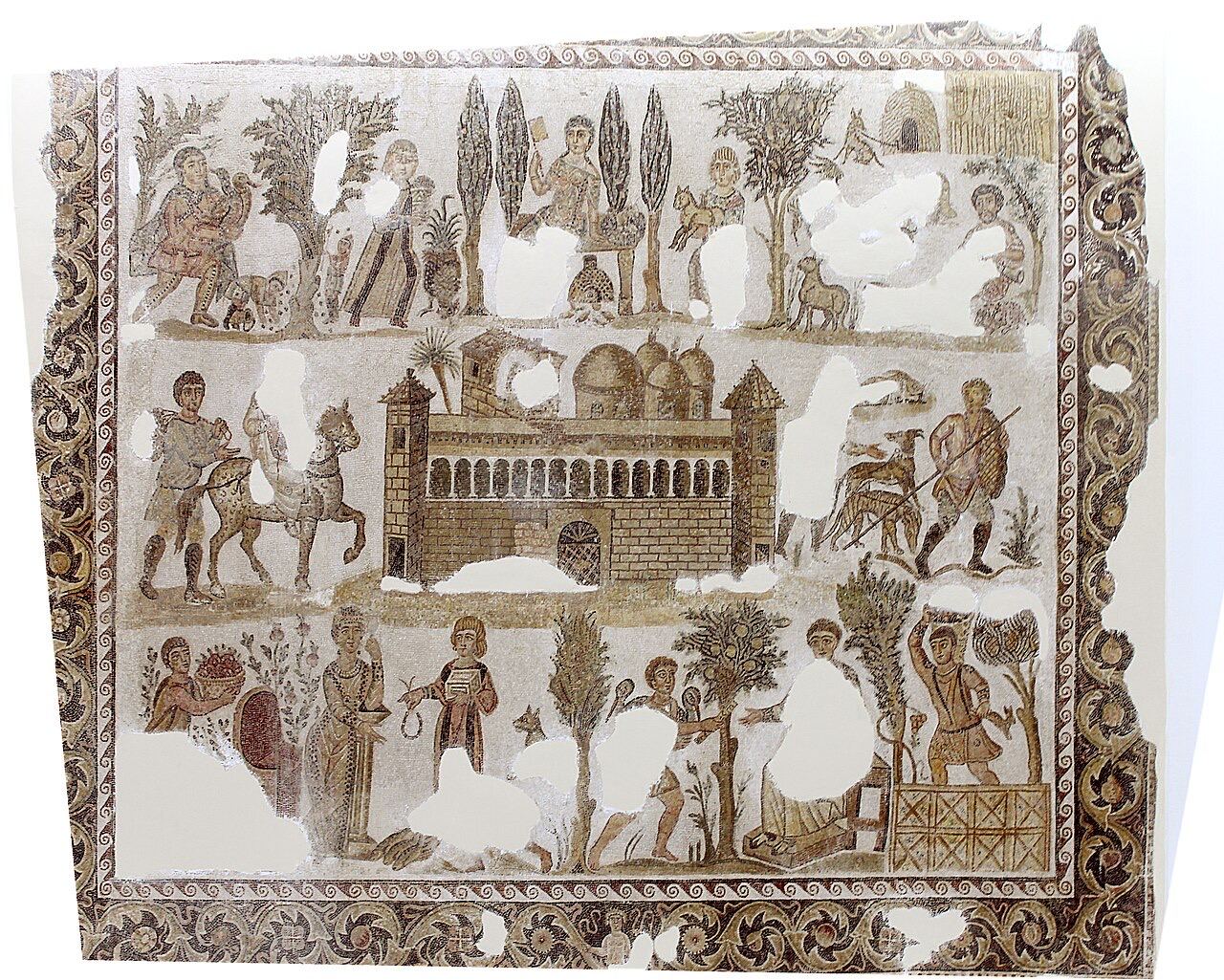
Date unknown, before 146 BC
Mago the Agronomist
“The father of agriculture” — so the Roman agronomist Columella calls him.
A Carthaginian, probably a great landowner, who set down in Punic all the farming knowledge of his city. Rome destroyed Carthage, but had his work translated.
books written in Punic
only Carthaginian work translated into Latin by order of the Senate
books in the Greek version by Cassius Dionysius
books in the abridgement by Diophanes of Nicaea
Why Rome translated Mago
After taking Carthage, the Roman Senate gave the city’s libraries to the African princes. It kept only one work: the 28 books of Mago, which it ordered translated into Latin.
The task was entrusted to a committee of men who knew Punic, chaired by Decimus Silanus. For the Romans, whose economy rested on the land, this knowledge was too useful to vanish with the city.
Neither the Punic original nor the Latin translation has survived: Mago now exists only through quotations in Greek and Latin authors.
Pliny’s testimony« When Carthage was taken, our Senate gave its libraries to the petty kings of Africa; it decreed only that Mago’s twenty-eight books should be translated into Latin. »
Pliny the Elder, Natural History, XVIII, 22
From Carthage to Rome
What the 28 books contained
A complete treatise on the great estate, pieced together from the fragments quoted by Latin writers.
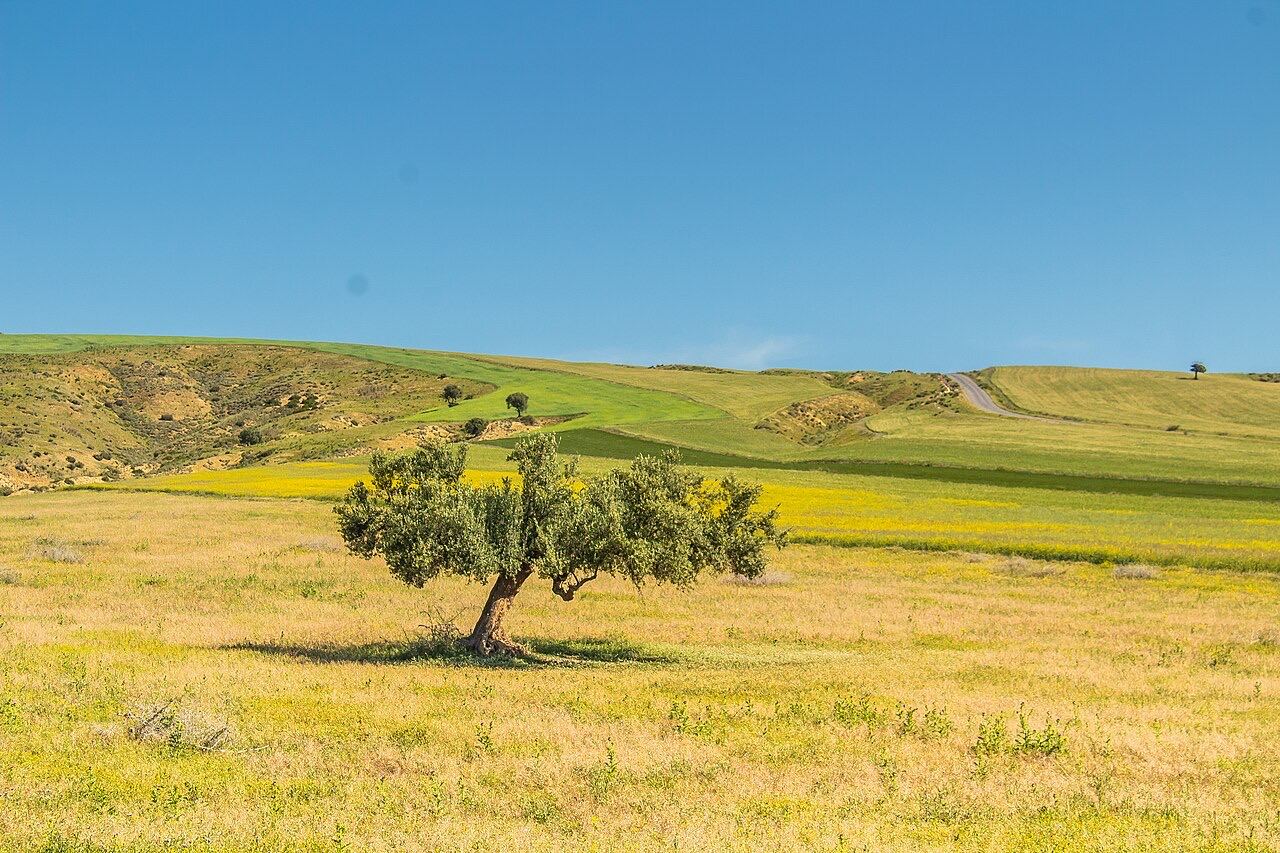
Vine & olive
Choice of land, exposure, planting, pruning: the core of Punic farm wealth.
Fruit trees
Pomegranates, almonds, figs: grafting, care and preserving fruit.
Oxen, mules, bees
Choosing plough animals, breeding, beekeeping and veterinary care.
The estate
Organising the workforce, the role of the steward and the master’s presence on his land.
Some of Mago’s precepts
Columella, De re rusticaCarthaginian agriculture →« Mago the Carthaginian, the father of agriculture. »
Columella, I, 1, 13
Legacy
A major source
Varro, Columella and Pliny draw on Mago; through them, Punic methods passed into Roman, then medieval, agronomy.
The granary of Rome
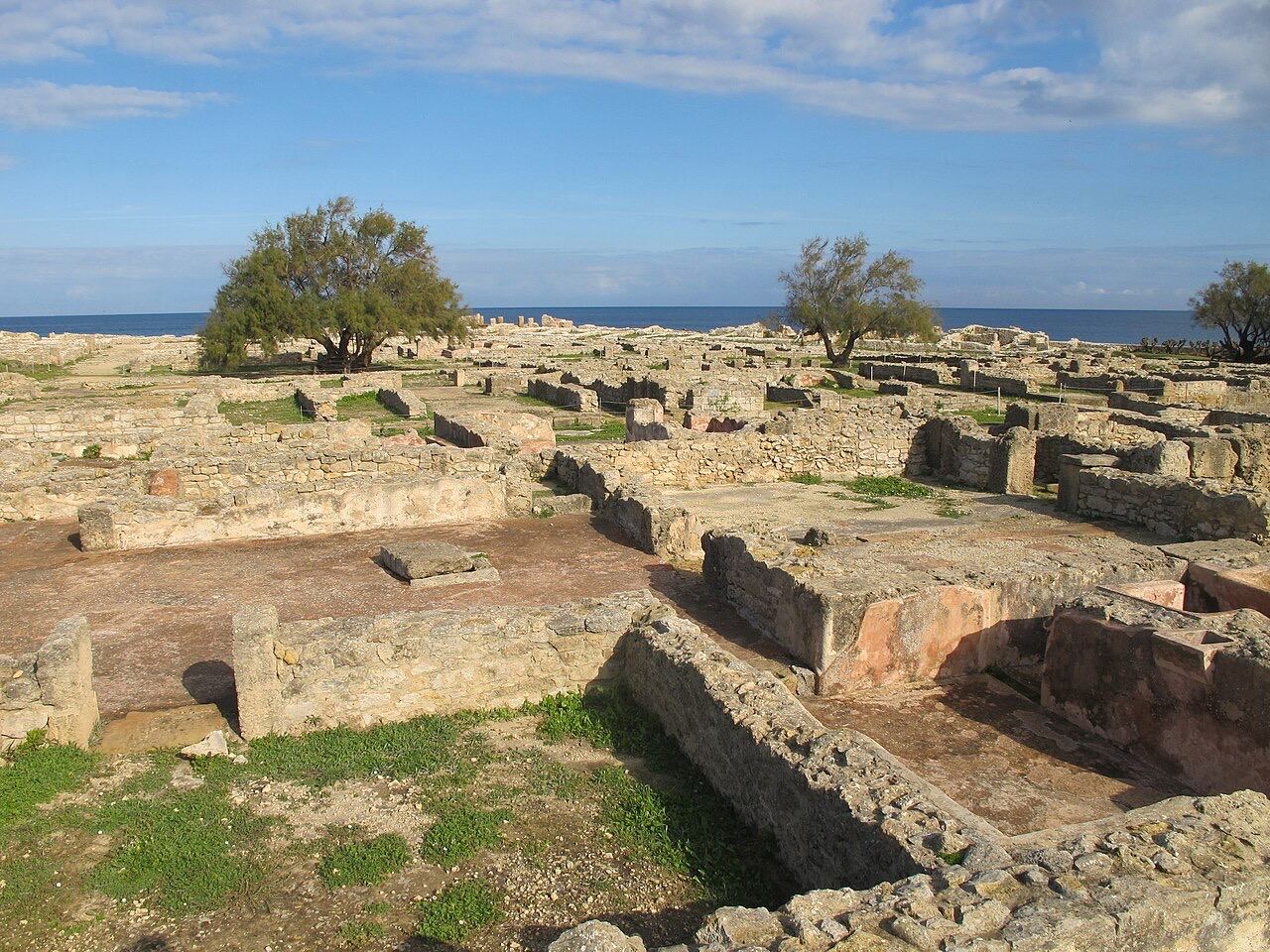
The great estates of Roman Africa — grain, oil, wine — carried on a know-how that Carthage had brought to its peak.
A name saved
Almost all Punic literature is lost. Mago is one of the few Carthaginian authors whose name and part of whose work we know.