Hasdrubal
Two Barcids bore this name, which means “Baal is my help” in Punic. Hamilcar's son-in-law built Punic Hispania; his son tried to join Hannibal in Italy. Two destinies, two violent deaths.
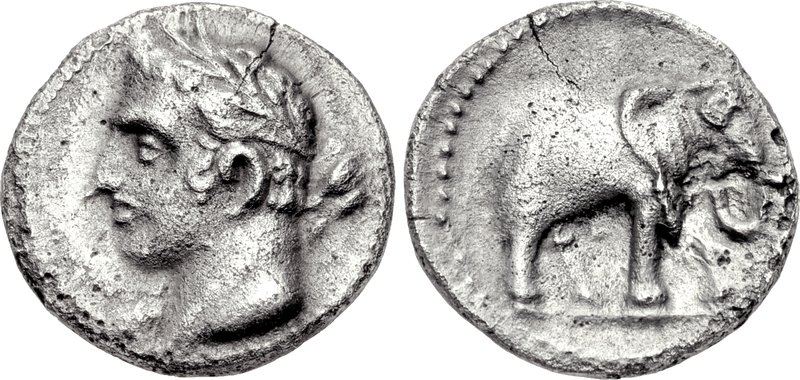
Hamilcar's successor in Hispania (229/228–221), founder of Cartagena, signatory of the Ebro treaty, assassinated in 221.
Hannibal's younger brother: he held Hispania for ten years, crossed the Alps in turn and fell at the Metaurus in 207.
Not to be confused with Hasdrubal Gisco, Scipio’s opponent in Hispania and Africa, or with Hasdrubal the Boetharch, the last defender of Carthage in 146.
Hasdrubal the Fair
Hamilcar's son-in-law, founder of Cartagena
Hamilcar's comrade in arms and son-in-law, in 229/228 he inherited a barely conquered Hispania. Where his father-in-law had imposed war, he ruled through alliances, marriage and the founding of a capital.
at the head of Punic Hispania (229/228 – 221)
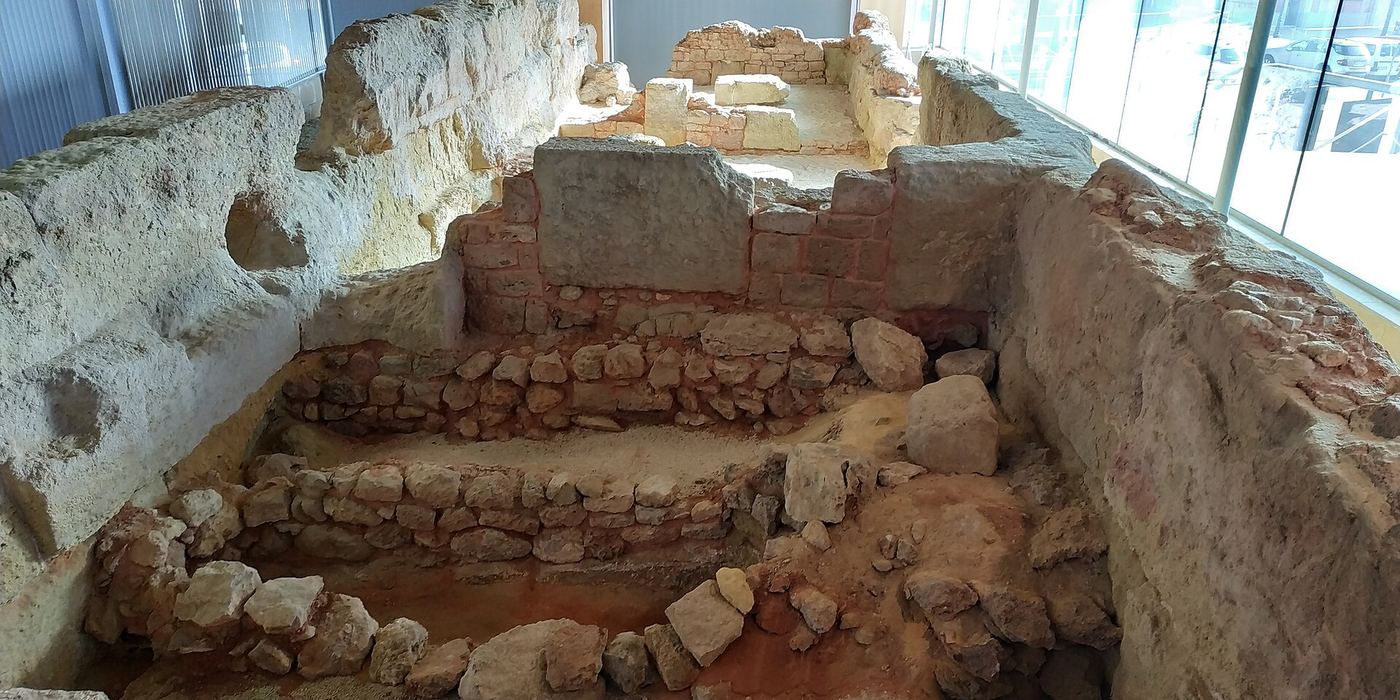
founding of Qart Hadasht, the future Cartagena
the Ebro treaty with Rome
Hannibal's age when the army acclaimed him at Hasdrubal's death
The governor
Governing Hispania
The policy of alliances
According to Livy, Hasdrubal extended Carthaginian power “more by the hospitality of kings and the friendship of chiefs than by war”. Diodorus reports that he married the daughter of an Iberian king and that the Iberian peoples proclaimed him supreme general.
This approach consolidated Hamilcar’s conquest: networks of clients, hostages, garrisons and tribute turned the south of the peninsula into a true Barcid state.
Qart Hadasht, the “New City”
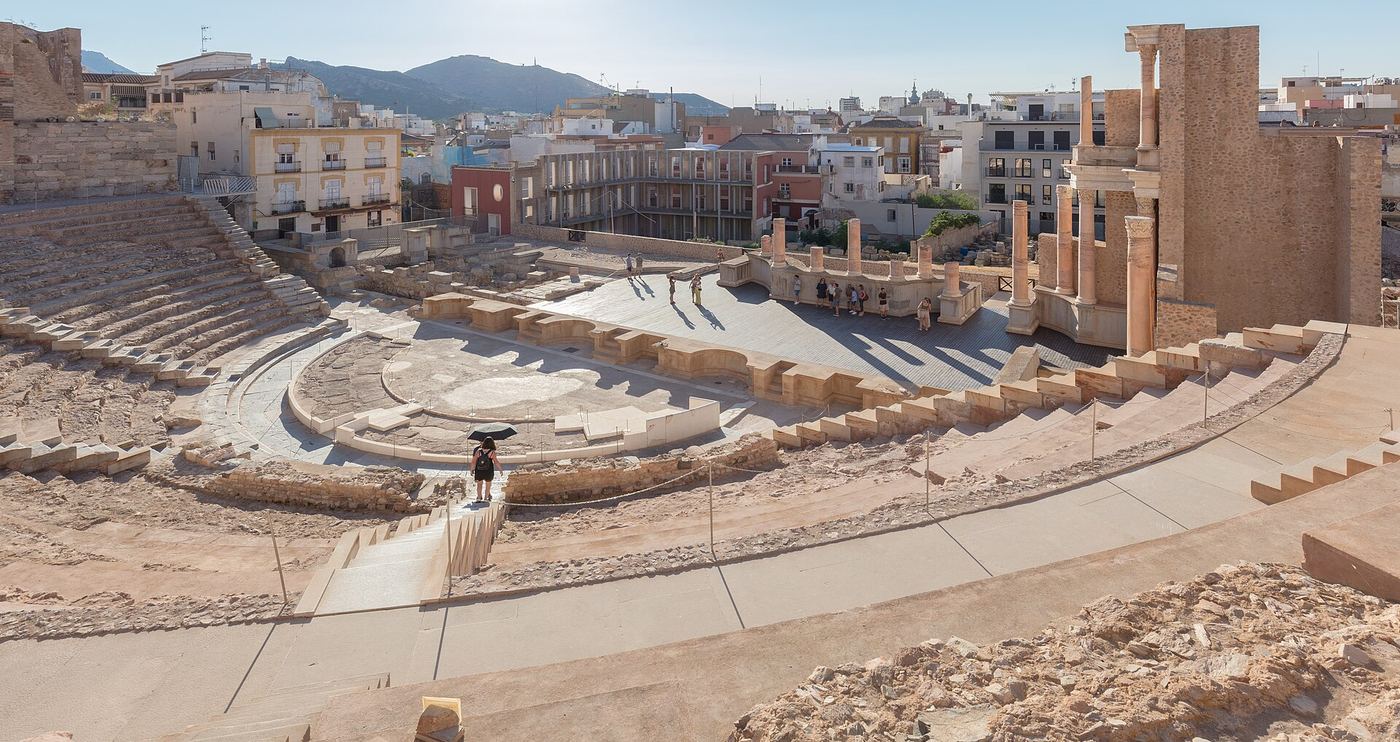
The same name as Carthage itself: Qart Hadasht. The city stands on a peninsula closed by a lagoon, with one of the best harbours in the western Mediterranean. Polybius describes it in detail and mentions the hill on which Hasdrubal’s palace stood.
Arsenal, treasury, mint and naval base, it became the base from which Hannibal set out in 218 — and the target Scipio would take in 209.
The Ebro treaty
Worried by the Gallic threat in northern Italy, Rome settled for a single undertaking: the Carthaginians would not cross the Ebro in arms. For Polybius, that was the whole content of the treaty.
Saguntum, south of the river and allied to Rome, is not mentioned according to Polybius; Livy claims instead that it was protected. This ambiguity would serve as a pretext for the Second Punic War when Hannibal besieged Saguntum in 219.
What the ancients said
“He had increased Carthaginian power more by the hospitality of kings and by winning chiefs to his friendship than by war and arms.”
“The Carthaginians shall not cross the Ebro in arms.”
Seized and tortured, the murderer kept such an expression that he seemed to smile, triumphing over the pain.
The builder of the base
Without Cartagena, its silver and its Iberian alliances, Hannibal's march on Italy would not have been possible. Hasdrubal the Fair turned a military conquest into a state — and his city, Cartagena, still bears the name of Carthage.
The Barca family
All people →Hamilcar Barca
Undefeated in Sicily, victor over the mercenaries, conqueror of Hispania.
Hannibal Barca
The Alps, Trasimene, Cannae, then Zama.
Mago Barca
The ambush at the Trebia, the rings of Cannae, Liguria.