Mago Barca
The youngest Barca, the shadow strategist
Hamilcar's youngest son was on every front: the ambush at the Trebia, the centre at Cannae, ten years of war in Hispania, the Balearics, then a second front in Liguria. He died at sea in 203, recalled to defend Carthage.
men hidden in a stream bed for the ambush at the Trebia (218)
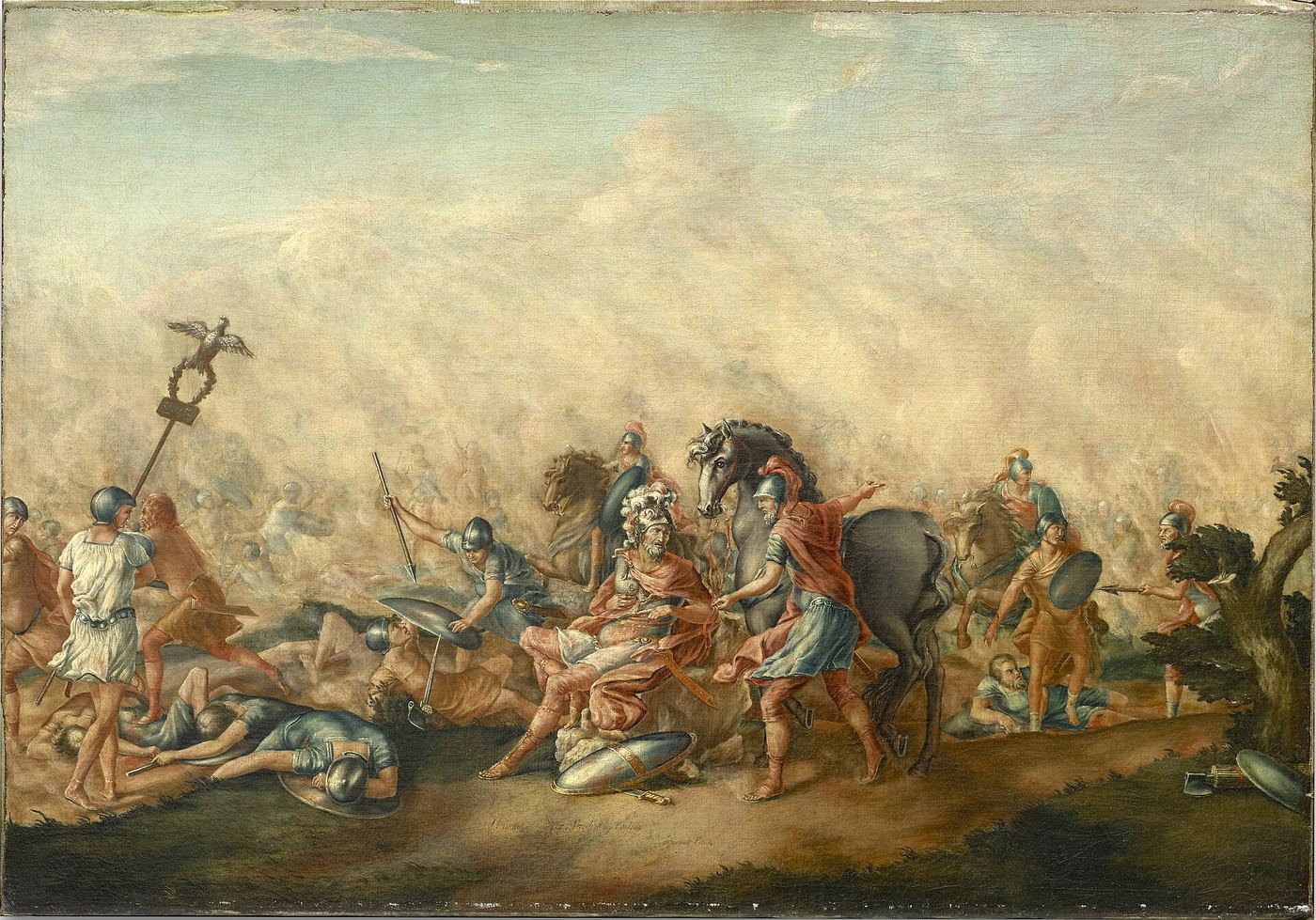
Roman legions caught in the trap at Cannae (216)
of war in Hispania (215 – 206)
men landed in Liguria in 205: 12,000 infantry, 2,000 cavalry
A life on campaign
At Hannibal’s side
From 218 to 216, Mago is his brother’s closest lieutenant.
The ambush in the stream
Between the two camps Hannibal spots a watercourse with high, overgrown banks. By night he hides Mago there with 1,000 infantry and 1,000 cavalry picked from the best in the army.
At dawn the Numidian cavalry provokes the Romans, who wade the icy Trebia on empty stomachs. Once battle is joined, Mago bursts out onto the legions' rear: Sempronius' army collapses.
Punic tactics →At the centre of the crescent
At Cannae, Mago and Hannibal command the centre of the line — Gauls and Iberians — which deliberately gives ground without breaking, allowing the Carthaginian pincer to close on eight Roman legions: the heaviest defeat in the Republic's history.
“Mago, his brother, young, full of ardour and trained in war from boyhood.”
The gold rings of Cannae
Mago comes to report the victory to the Carthaginian Senate. As proof he has the gold rings taken from the bodies of Roman knights — the badge of Rome’s elite — poured out at the door of the council house.
The Senate votes reinforcements for Hannibal — Numidian cavalry, elephants, silver — and tasks Mago with raising new troops. But Hasdrubal's defeat at Dertosa changes the plan: in 215 Mago and his reinforcements sail for Hispania, not Italy.
measures (modii) of rings according to some writers; Livy thinks “no more than one modius” more likely (XXIII, 12).
Hanno, leader of the faction hostile to the Barcids, mocks: if Hannibal is winning, why does he ask for men and money? (Livy, XXIII, 13)
Ten years in Hispania
From 215 to 206, Mago fights to hold the Barcid base against the Scipios.
A master of logistics, Mago defends the Barcid heartland in Iberia. He coordinates supplies, keeps the tribal alliances together and in 211, with Hasdrubal Gisco and the young Numidian prince Masinissa, helps destroy Publius Scipio's army on the upper Baetis.
But Publius' son, the future Scipio Africanus, takes Cartagena in 209 and in 206 at Ilipa crushes the army of Mago and Hasdrubal Gisco — 70,000 infantry, 4,000 cavalry and 32 elephants according to Polybius. Punic Hispania is lost.
Falling back on Gades, Mago attempts a surprise attack on Cartagena and fails. On his return Gades shuts its gates to him; he lures its magistrates, the suffetes, outside and has them crucified.
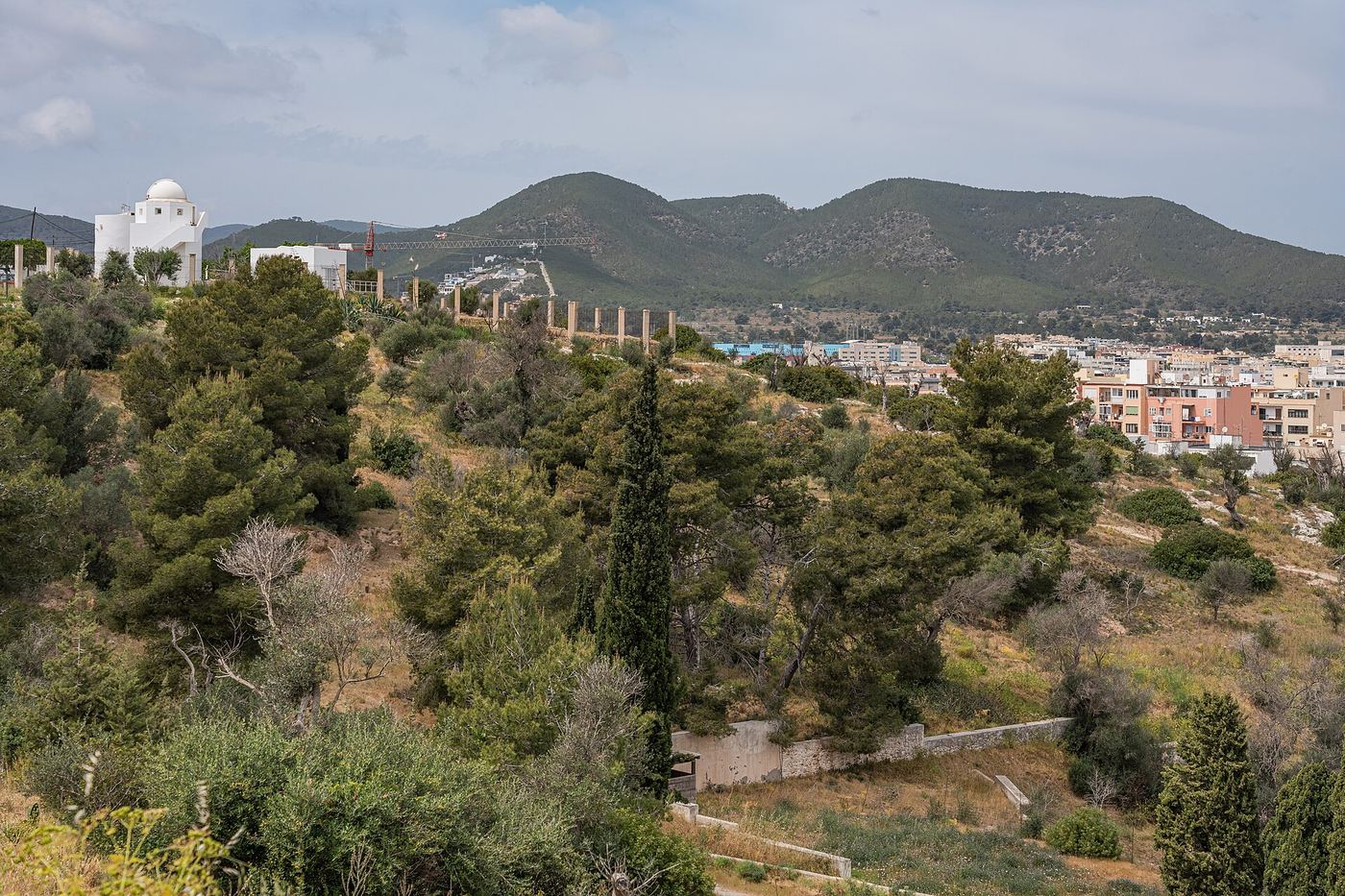
Ebusus, Majorca, Minorca
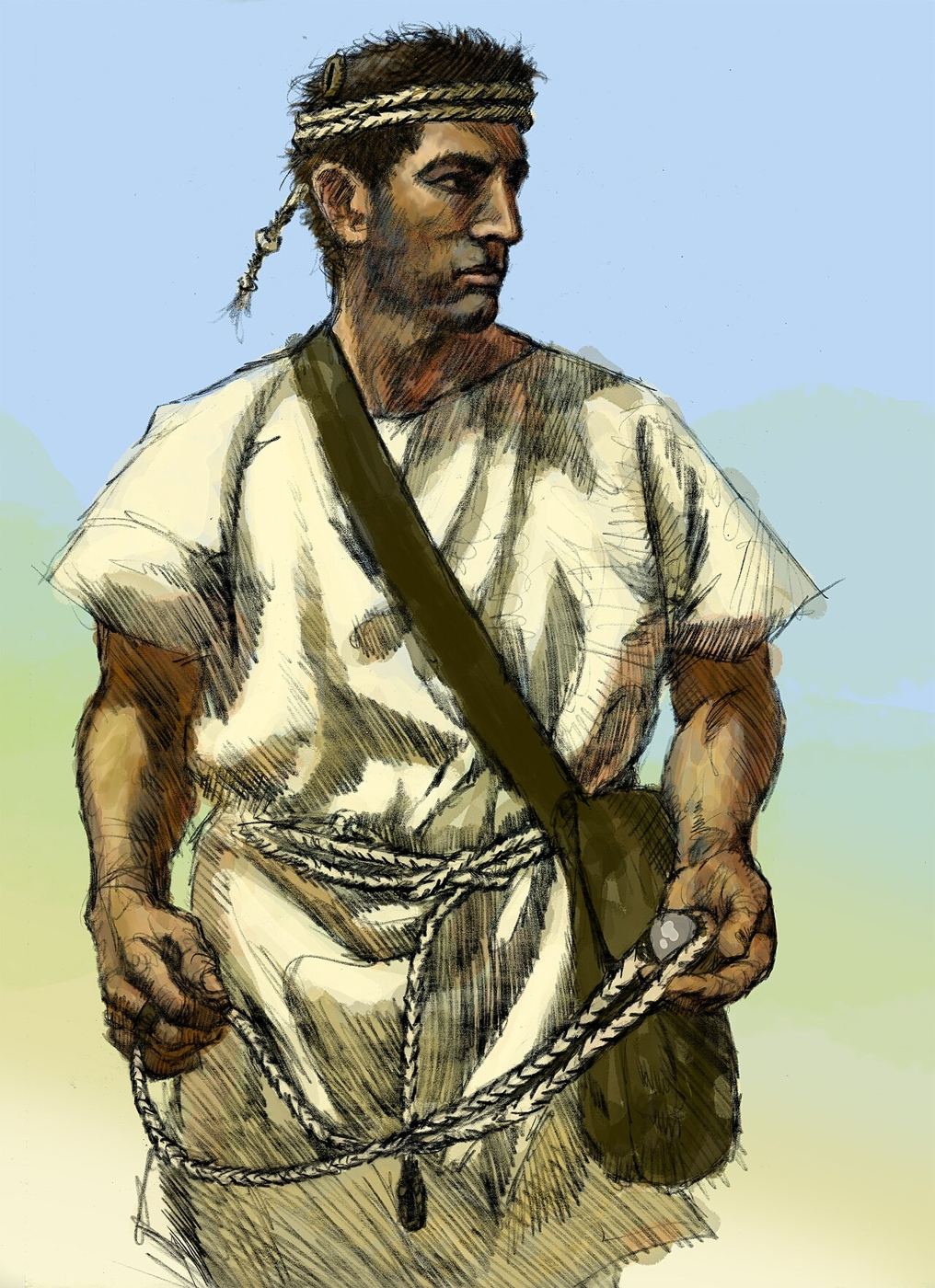
Mago sails for the Balearics. Ebusus (Ibiza), a Punic city, welcomes and resupplies him. On Majorca the slingers, the most feared in the Mediterranean, prevent a landing.
On Minorca he lands, recruits 2,000 auxiliaries whom he sends to Carthage, and winters on the island. Tradition derives the name of the port of Mahón (Portus Magonis) from his.
Liguria, then the sea
In spring 205 Mago lands on the Ligurian coast with 12,000 infantry and 2,000 cavalry, takes Genoa and allies with the Ligurian and Gallic peoples. Carthage sends him reinforcements. The aim is to force Rome to split its legions just as Scipio prepares to invade Africa, and to reach out to Hannibal, pinned down in Bruttium.
In 203 he fights the praetor Quinctilius Varus and the proconsul Cornelius Cethegus in Insubria. Wounded in the thigh, he withdraws. Recalled by a desperate Senate to defend Carthage against Scipio, he sails for Africa but dies of his wound at sea, off Sardinia, without seeing his homeland again.
Cornelius Nepos reports other traditions in which he died later, shipwrecked or killed by his own slaves.
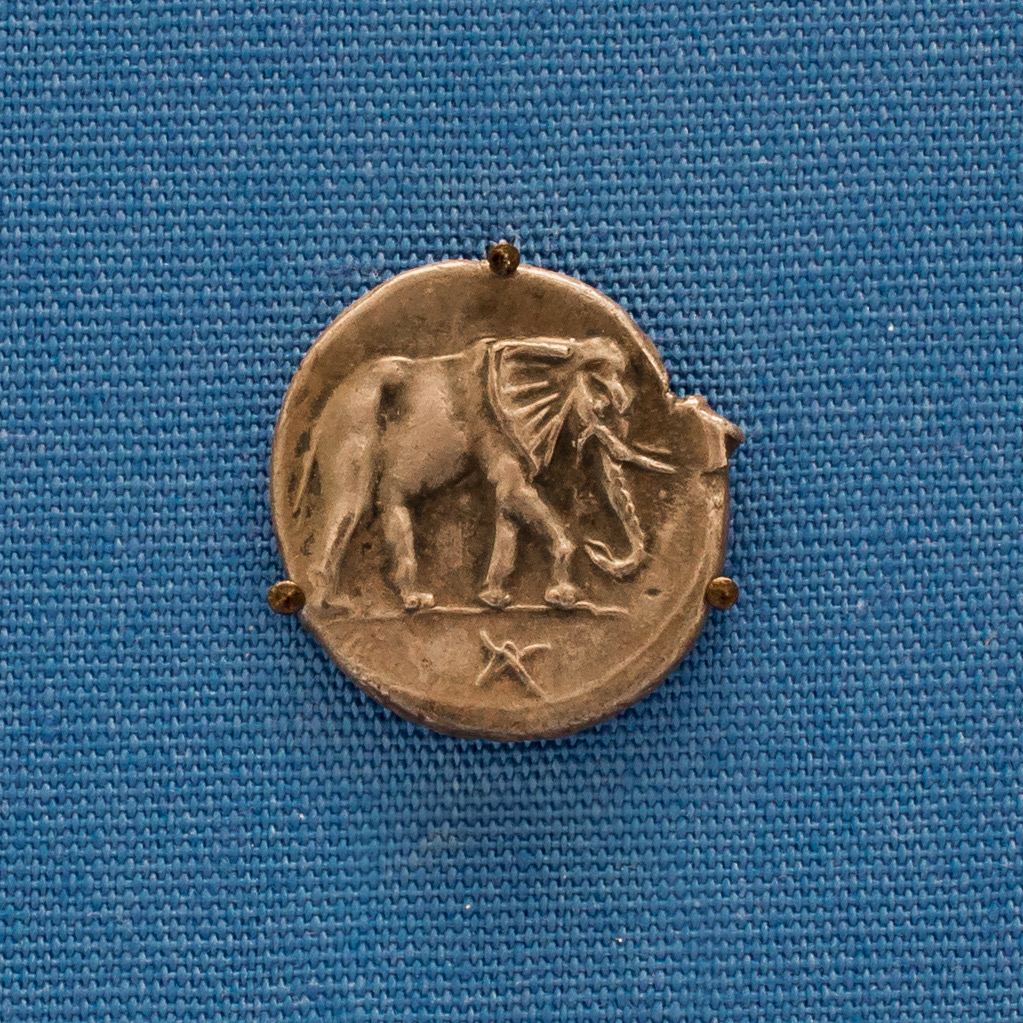
What Mago was not
- Not “the last of the Barcids”: his elder brother Hannibal outlived him by twenty years, until 183.
- The “ambush” linked to his name is not at Cannae but at the Trebia (218); at Cannae he fought in the centre.
- His Hispanic campaigns do not begin in 210: he arrived there in 215 and stayed until 206.
- He should not be confused with Mago the Agronomist, the Carthaginian author of a 28-book treatise on agriculture.
The ultimate sacrifice
For the Barcas, Carthage was not just a city: it was a sacred duty. From Hamilcar to Mago, each gave his life to the survival of the homeland. Mago died at sea on his way back to defend it.
His name lives on in Minorca, where the port of Mahón is said to bear it, and in the image of the gold rings of Cannae, symbol of Rome’s decimated elite.
The Barca family
All people →Hamilcar Barca
Undefeated in Sicily, victor over the mercenaries, conqueror of Hispania.
Hannibal Barca
The Alps, Trasimene, Cannae, then Zama.
The two Hasdrubals
Hasdrubal Barca, killed at the Metaurus, and Hasdrubal the Fair, founder of Cartagena.